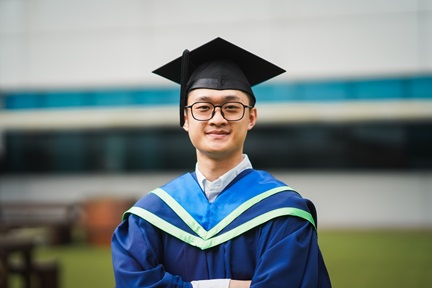
Meet the Class of 2026 CoS Valedictorians! (Part 4): Tan Hao Wei from ASE
This is a four-part interview series celebrating the College of Science’s top graduates from the Class of 2026. In our final feature, Tan Hao Wei from the Asian School of the Environment reflects on a transformative university journey shaped by curiosity, perseverance and purpose. From pursuing excellence in the classroom to embracing opportunities beyond it, he shares the experiences, lessons and aspirations that define his success.
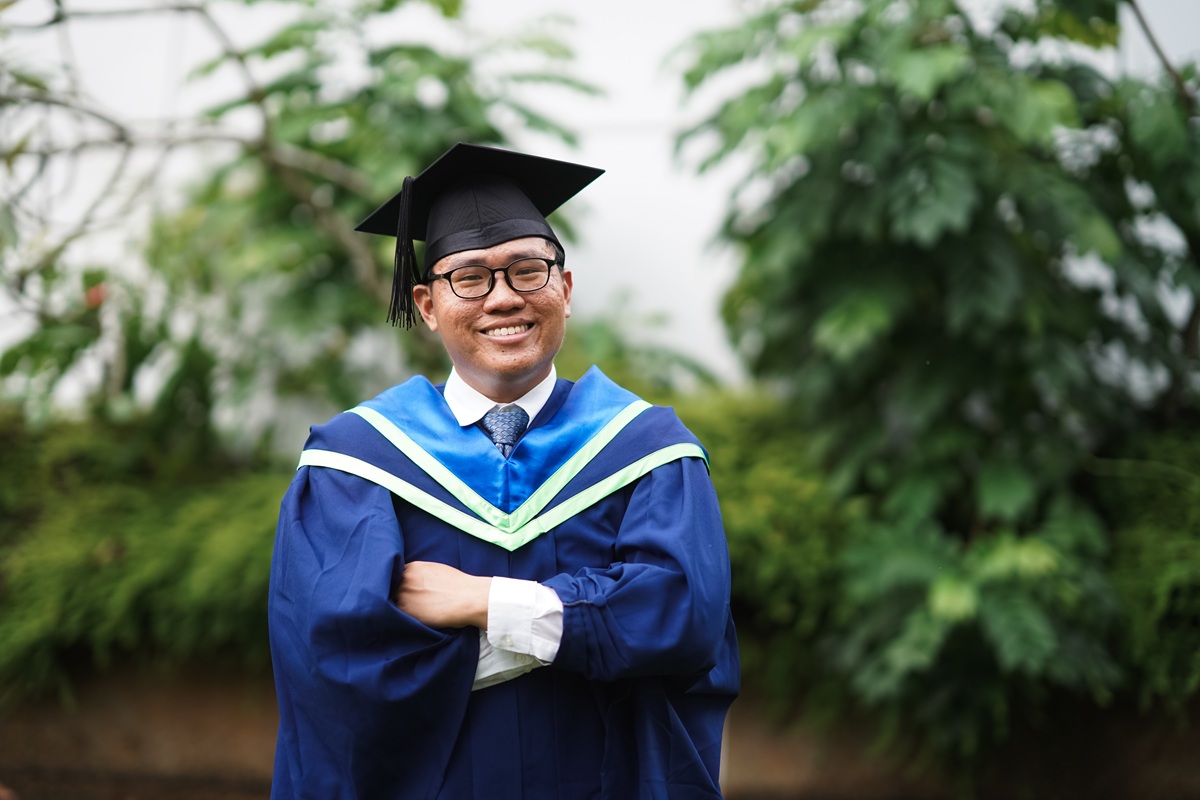
What motivated you to pursue a BSc in Environmental Earth Systems Science, and how has that passion evolved over the course of your studies?
Ever since young, I had been fascinated by the natural environment around me. I was especially interested in learning more about how mountains, rivers and volcanoes formed. This then sparked my interest in geography in secondary school and JC. I was first introduced to this BSc by my research mentor in JC. After getting the chance to talk to the faculty and undergraduates, I was convinced that this BSc was a perfect fit for my interests.
Over the course of my studies, my interests in geology and geomorphology only grew. On top of that, the systems-thinking approach towards understanding the complex interconnectedness of the natural environment had further expanded my interests as well. I was able to see how a good understanding of geology, ecology and our society as a whole is crucial in tackling many of the critical issues we now face.
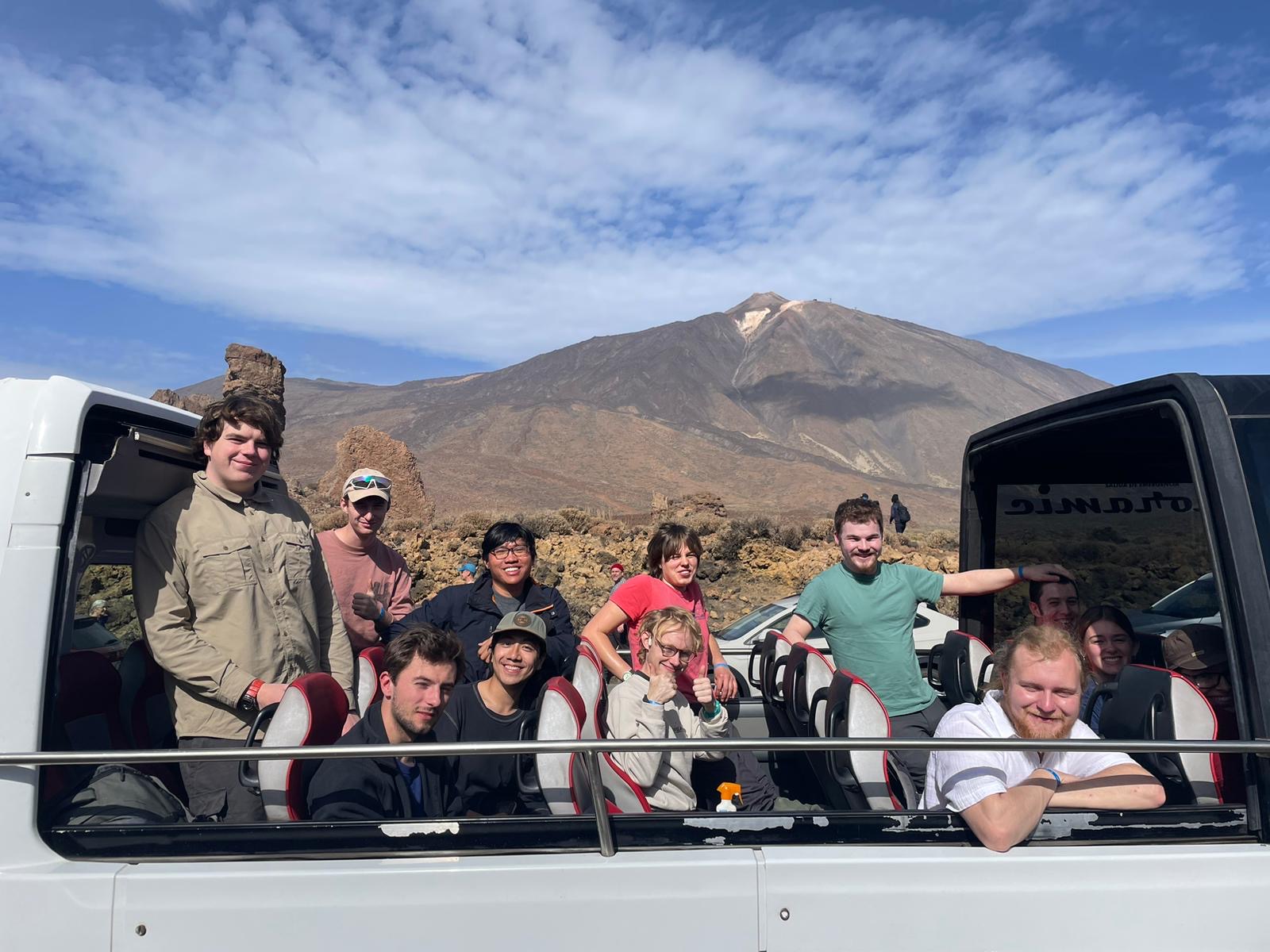
Looking back on your university journey, what experience stands out as the most memorable or meaningful for you?
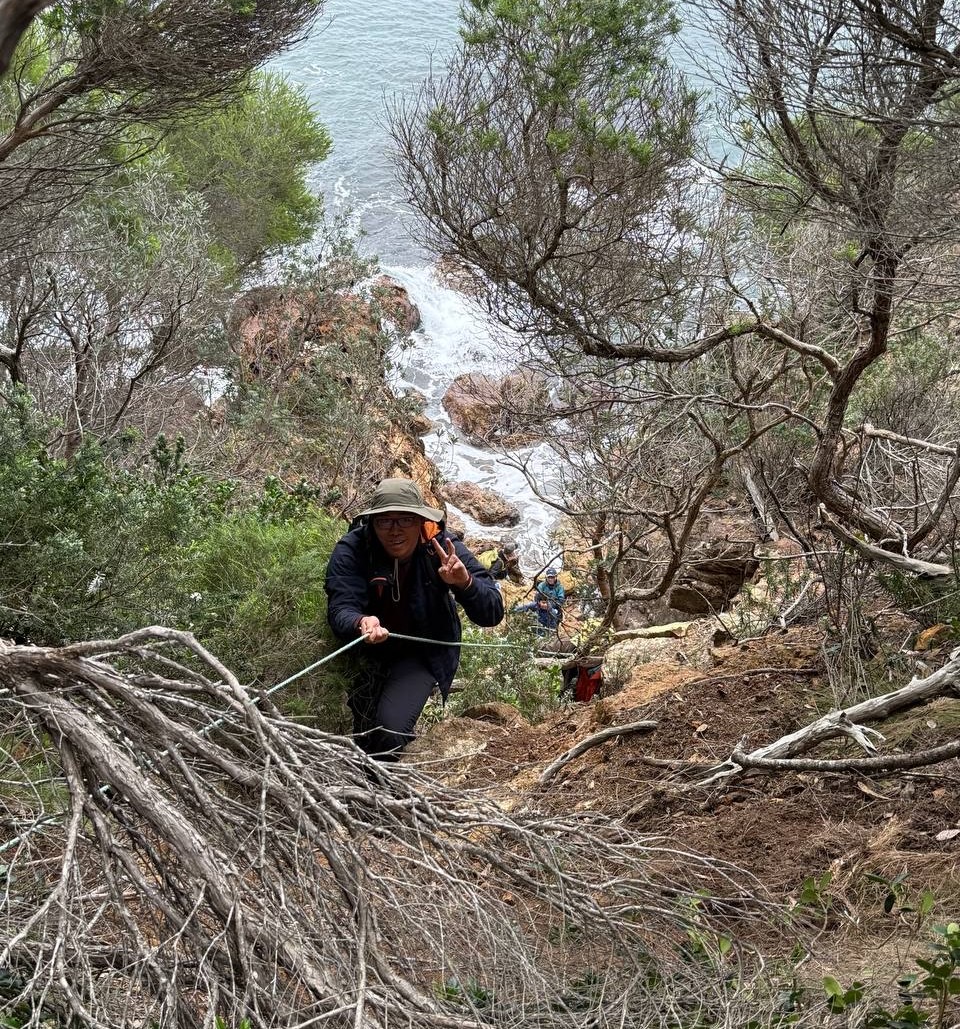
I think my entire batch will agree that the countless fieldtrip opportunities are some of the most meaningful experiences we have throughout our time here. Being able to apply the concepts learnt in the classroom whilst out in the field really helps to solidify our knowledge. It also challenges us to critically engage with concepts learnt and think out of the box, as more often than not, nature is messy and complex. Whether at the subaks and coastal waters of Bali, in the forests of Taiwan, amongst the rocky coastal outcrops of Australia, on the volcanoes of Tenerife, or through the many field opportunities within Singapore itself, each experience has shaped me into a better environmental scientist.
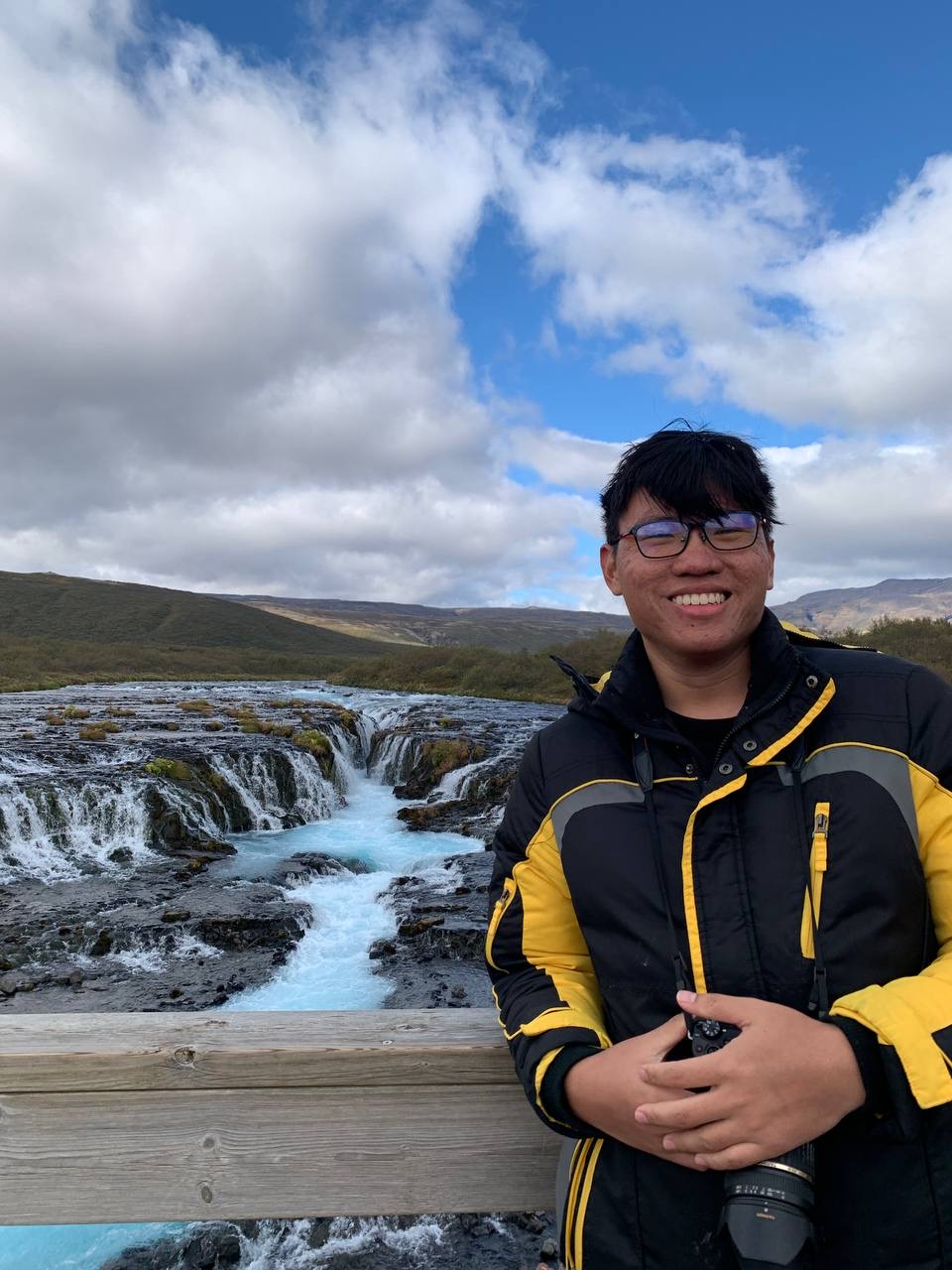
What was the most defining academic or research challenge you faced, and how did it shape your approach to problem-solving?
The biggest research challenge I faced would have to be during my Final Year Project. Whilst I was fortunate to have a clear outline of the project’s goals and deliverables, figuring out how exactly to overcome the key technical challenges required much trial and error. Trying to reverse engineer code and reconstruct methodologies whilst ensuring sufficient scientific rigour involved a lot of failures and repeated refinements. Through the repeated setbacks, I developed greater persistence and gained the ability to more slowly and systematically work through what feels like an overwhelmingly daunting problem.
Beyond academic excellence, what personal values, habits, or support systems do you think contributed most to your success as valedictorian?
A huge contributing factor would have to be the people that I am surrounded by. Being surrounded by faculty that have so much experience and who are always willing to provide guidance is so helpful when trying to learn and challenge ourselves. I also have very passionate peers who inspire me and create a supportive environment that allows me to learn so much from them.
Apart from that, I believe that my curiosity and perseverance are values that helped greatly. Being genuinely interested in what I was learning made it easier to tough things out and explore interesting projects or topics that pushed me beyond my comfort zone, which is how we learn best.
.jpg?sfvrsn=874ad6f0_1 "Image (3)")
As you move forward, how do you hope to use your scientific training to address real-world challenges or make a meaningful impact in your field or community?
Moving forward, I would love to apply what I have learnt towards either geotechnical work or hazard mitigation!
I believe that some key soft skills we have picked up throughout our university journey would be the ability to break down complex scientific ideas into more easily understood concepts, as well as the ability to tackle complex problems with no clear “right” answer, which would be skills I can surely make use of regardless of where I end up.
.jpg?sfvrsn=28654d78_1 "Image (2)")