Meet the Class of 2026 CoS Valedictorians! (Part 3): Shen Yikai from CCEB
This is a four-part interview series celebrating the College of Science’s top graduates from the Class of 2026. In our third feature, Shen Yikai from the School of Chemistry, Chemical Engineering and Biotechnology reflects on a transformative university journey shaped by curiosity, perseverance and purpose. From pursuing excellence in the classroom to embracing opportunities beyond it, he shares the experiences, lessons and aspirations that define his success.
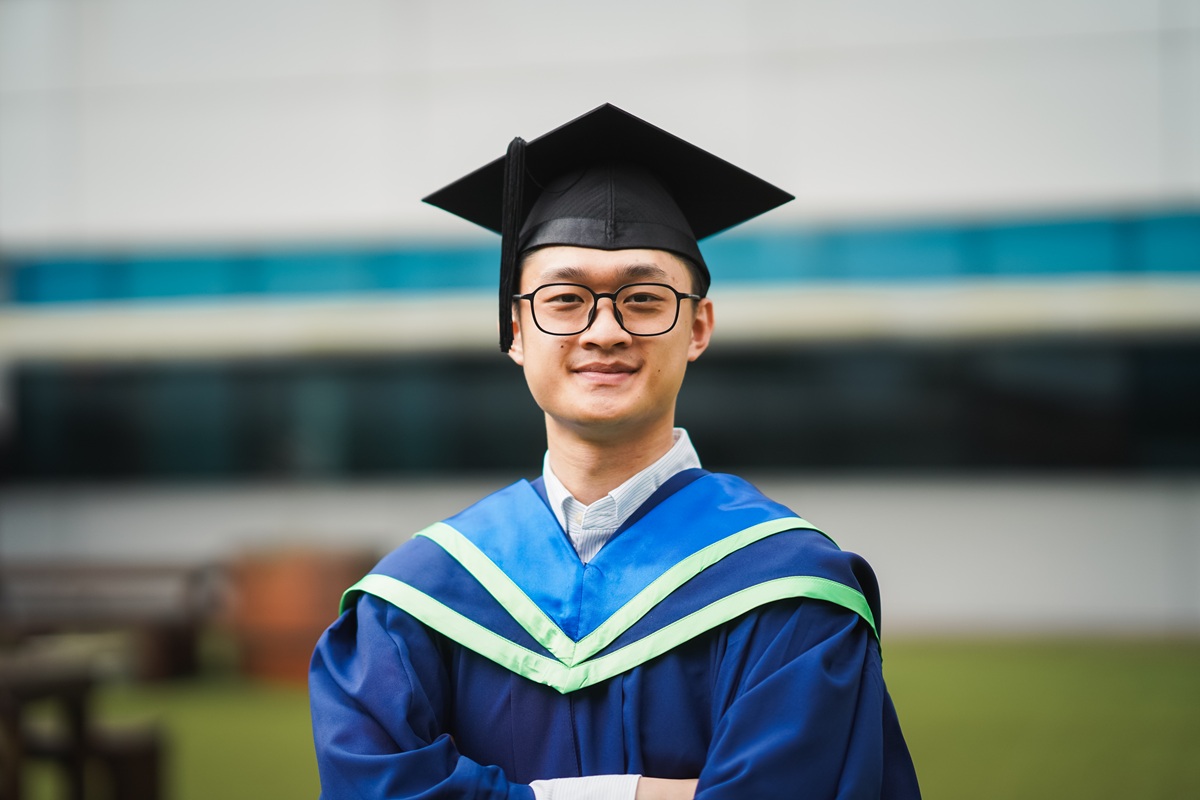
What motivated you to pursue a BSc in Chemistry and Biological Chemistry, and how has that passion evolved over the course of your studies?
I chose Chemistry because I have always been curious about how things work. I found it fascinating that interactions at the molecular level could explain everything from the properties of everyday materials to the complex processes that keep us alive. The Biological Chemistry component was especially interesting because it connected chemistry with medicine and life sciences, showing me how scientific knowledge can directly improve people's lives.
As I progressed through university, my interests grew beyond scientific discovery itself. I became increasingly interested in what happens after a breakthrough is made. Through my internships in venture capital and my involvement in the startup ecosystem, I saw that great research only creates impact when it can be translated into products and technologies that people actually use. That made me curious about how innovation ecosystems work and how researchers, entrepreneurs, investors, and governments all play a role in turning ideas into successful businesses.
Today, I see chemistry as more than just a scientific discipline. It gives me the technical foundation to understand emerging technologies, while my experiences outside the laboratory have inspired me to explore how scientific innovation can be scaled into businesses that create both economic value and meaningful impact for society.
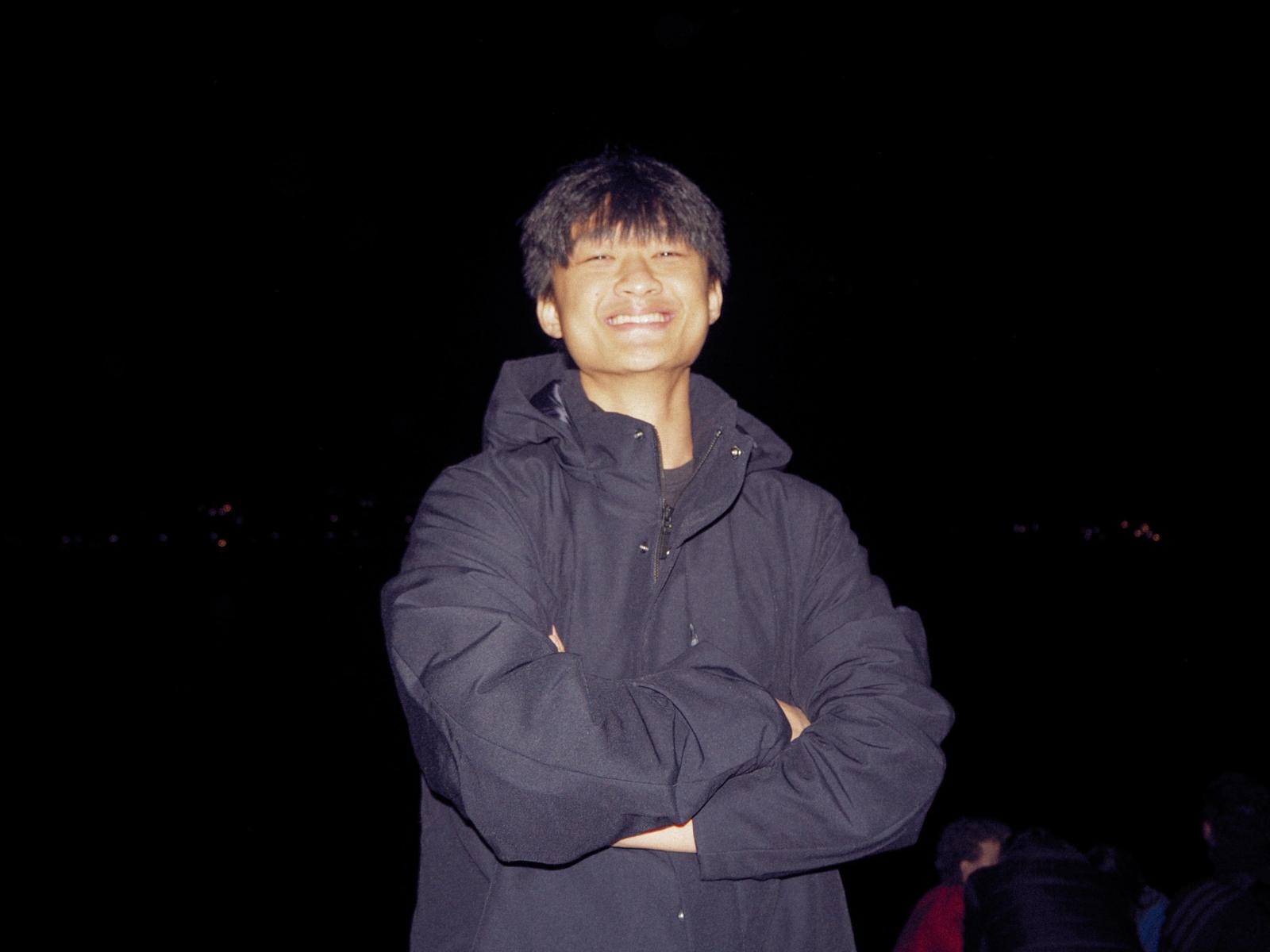
Looking back on your university journey, what experience stands out as the most memorable or meaningful for you?
Two experiences stand out because they completely changed how I think about innovation.
The first was my student exchange in Sweden. Besides experiencing a new culture, I had the opportunity to immerse myself in the local startup ecosystem. It was inspiring to see how universities, startups, investors, and government agencies worked closely together to support innovation. It showed me that scientific research does not end in the laboratory. With the right support, it can become products and companies that improve people's lives.
The second was my credit bearing internship at a venture capital firm in Shanghai. That was my first experience looking at technology from an investor's perspective. I learned how to evaluate companies not only based on the quality of their technology, but also on whether the solution solved a real problem, whether it could scale, and whether it could become a sustainable business.
These experiences helped me realize that meaningful innovation is not just about inventing something new. It is about bringing together science, business, and people to create solutions that make a real difference.
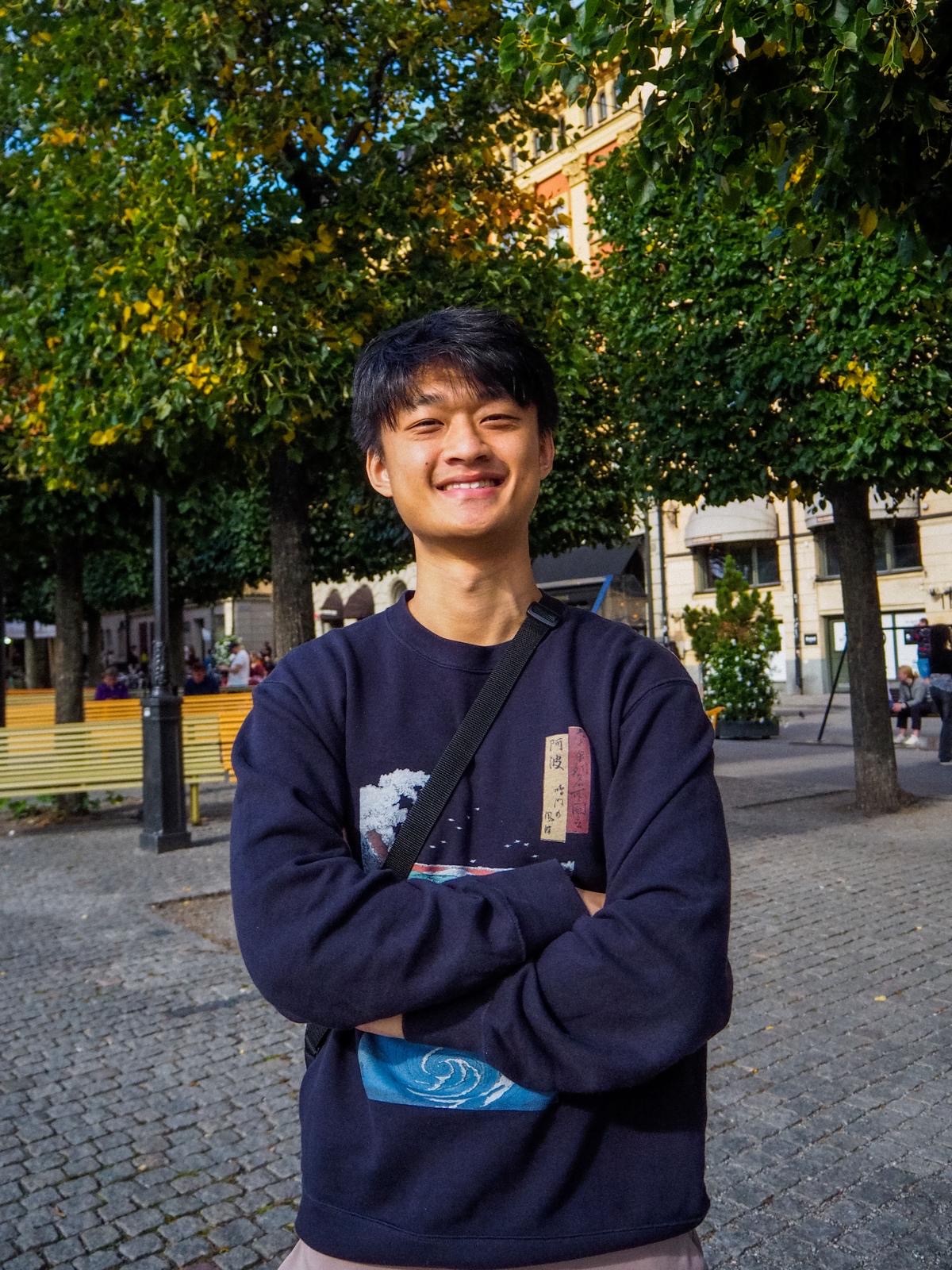
What was the most defining academic or research challenge you faced, and how did it shape your approach to problem solving?
One of the most defining challenges I faced was during my final year research project on stable isotope analysis. While working on the project, I encountered a limitation in the existing method that affected the efficiency of the analysis.
Instead of accepting it as part of the process, I spent time understanding why the problem existed and whether there was a different way to approach it. By making a relatively simple change to the methodology, I was able to turn what was originally a limitation into a solution that improved the process. The work is now under patent application through A*STAR National Metrology Centre.
That experience taught me that innovation does not always come from completely new ideas. Sometimes it comes from looking at an existing problem from a different perspective and asking better questions. It also reminded me that patience, curiosity, and persistence are just as important as technical knowledge when solving difficult problems.
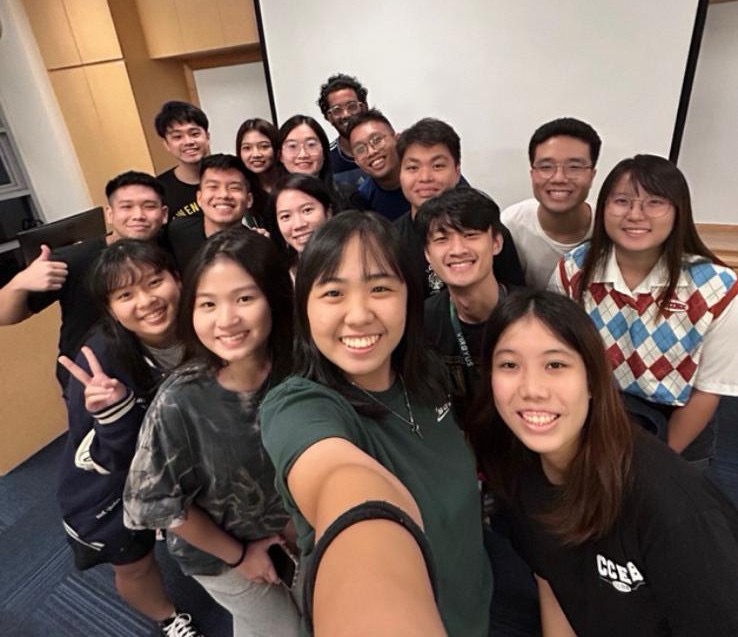
Beyond academic excellence, what personal values, habits, or support systems do you think contributed most to your success as valedictorian?
I think curiosity has been the biggest reason behind my growth. I genuinely enjoy learning and understanding how things work, whether it is chemistry, finance, entrepreneurship, or technology. That curiosity encouraged me to explore opportunities beyond the classroom, including research, venture capital, and the startup ecosystem. Looking back, many of those experiences complemented one another and gave me a much broader perspective.
I also believe consistency is more important than perfection. Throughout university, I tried to stay disciplined by setting clear priorities and making steady progress every day instead of relying on last minute effort. That habit helped me balance academics, internships, research, and extracurricular activities without feeling overwhelmed.
Finally, I would not be here without the support of the people around me. My professors challenged me to think more deeply, my mentors encouraged me to explore different career paths, and my family and friends were always there to support me during difficult periods. Being named Valedictorian reflects not only my own efforts, but also the encouragement and guidance I received from so many people along the way.
As you move forward, how do you hope to use your scientific training to address real world challenges or make a meaningful impact in your field or community?
I hope to continue contributing to Singapore's startup ecosystem while making use of my scientific background to support deep technology innovation.
Having studied chemistry and worked in venture capital has given me the opportunity to see innovation from both the scientific and business perspectives. I enjoy understanding complex technologies, but I am equally interested in helping those technologies reach the market and create real impact.
In the future, I hope to work with researchers, founders, and investors to support companies developing solutions in areas such as advanced materials, climate technology, healthcare, and semiconductors. Singapore already has a strong research ecosystem, and I believe there is great potential to strengthen the connection between research and commercialization.
Ultimately, I hope to play a small part in building an ecosystem where promising scientific discoveries do not stay in the laboratory, but become products, companies, and technologies that improve lives and create lasting value for society.