Growing as a Surgeon, Giving Back as a Mentor
Text: Sanjay Devaraja | Photos: Dr Joel Wong
In the operating theatre, every movement demands precision, sound judgment and confidence built through years of training.
For Dr Joel Wong, the journey from medical student to surgeon started at LKCMedicine. As a Class of 2018 graduate of the School's pioneer cohort, he grew into the confident clinician he is today, supported by an education that challenged him to think critically, adapt and lead.
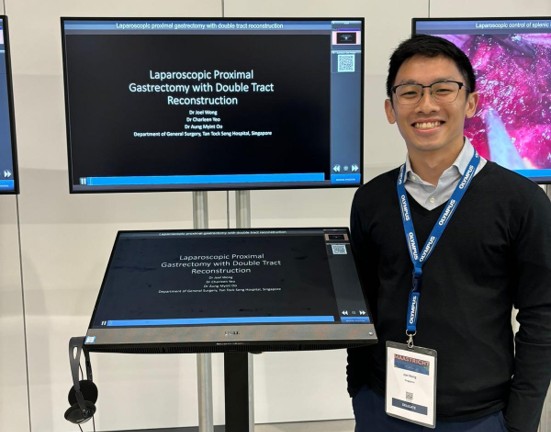
Today, Dr Wong serves as an Associate Consultant with the National Healthcare Group and a General Surgery specialist at Tan Tock Seng Hospital, focusing on upper gastrointestinal, bariatric and metabolic surgery.
He draws on the values instilled in him during those formative years. In this feature, he reflects on the challenges and rewards of residency, and how the unique culture and curriculum of LKCMedicine continue to shape his practice.
Looking back, what was your experience of studying medicine at LKCMedicine? Which aspects of the curriculum or culture prepared you well?
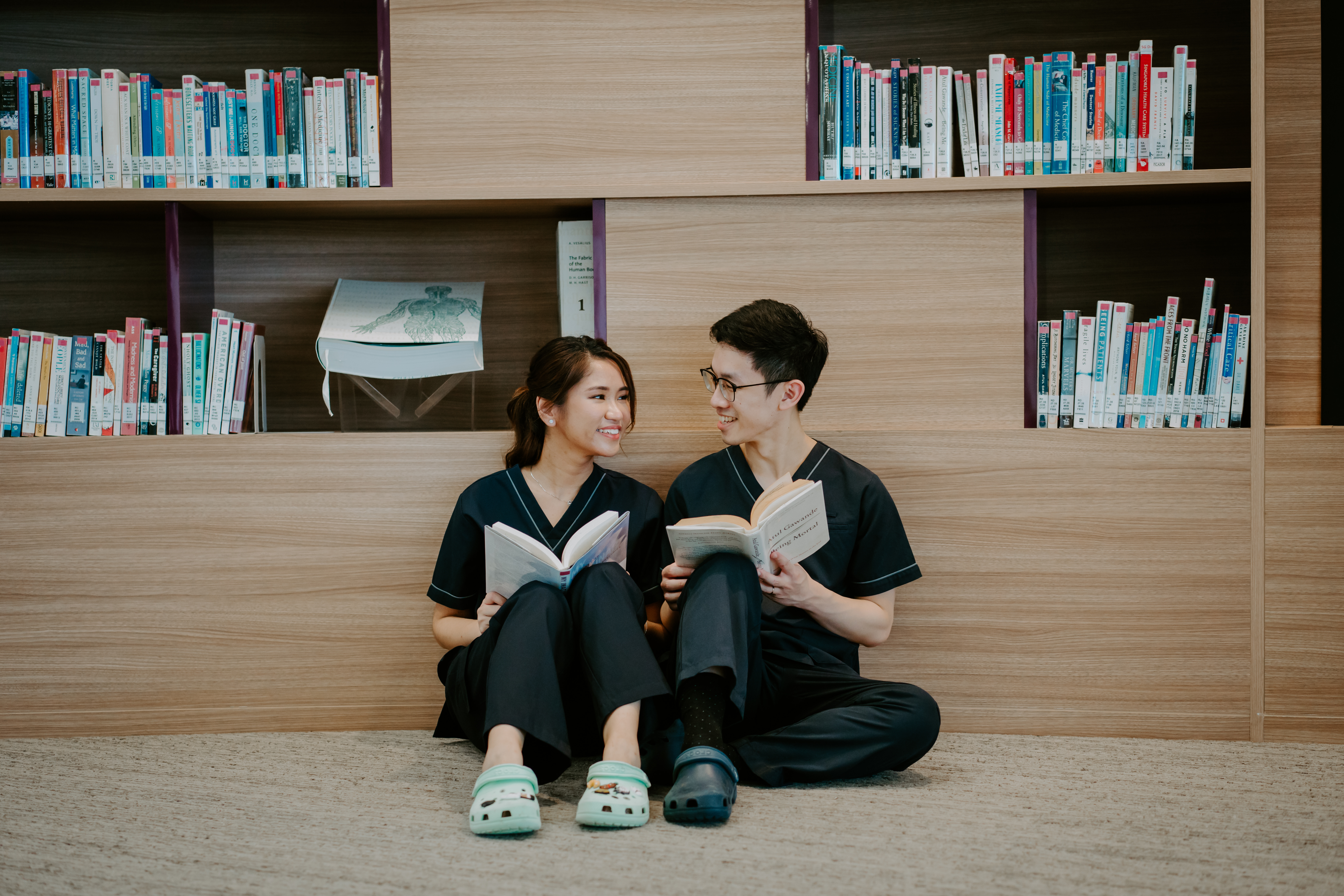
Being part of the pioneer cohort of LKCMedicine was special in so many ways. We are a close-knit cohort and were given opportunities to help shape the curriculum, as well as student life and culture. I made many lifelong friends and, most importantly, it was also where I met my wife, Dr Melissa Chia.
One aspect of our training at LKCMedicine that really stands out is the early emphasis on clinical skills and communication. From Year 1, we were taught fundamental skills and principles that provided an important foundation for all procedural skills.
Even now, whenever I perform a procedure, I often recall Sister Ramani Saravanan (Lead for Clinical Procedures) reminding me the importance of aseptic technique. When I have to share difficult news with patients, such as a cancer diagnosis, I often draw on the guidance of Dr Tanya Tierney (Assistant Dean for Clinical Communication) on how to pace the conversation and approach the patient with empathy and care.
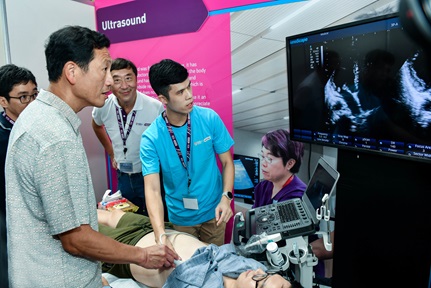
Another unique part of our early training was Hospital Week, which is now known as the Patient Journey Experience (PJE) in Year 1 or Clinical Immersion Week (CIW) in Year 2. These programmes broadened our perspectives early on and gave meaning and context to what we were learning in the classroom. For the past few years, I have also had the opportunity to organise these sessions for students attached to my department, and hopefully this has been equally meaningful for them!
What have been the most challenging aspects of residency?
Residency is demanding. The long hours, the need to juggle clinical responsibilities with ongoing learning, and the challenge of balancing life outside work all present constant difficulties.
One of the most challenging aspects, particularly in surgery, is dealing with complications and difficult outcomes. These moments can be emotionally and mentally tough. However, I am grateful to be in a supportive environment where I can openly discuss these experiences with mentors and peers.
That support has been crucial in helping me reflect, learn and move forward, so that I can continue to care for the next patient with focus and resilience.How do you involve medical students in the clinical team and create meaningful learning experiences for them?
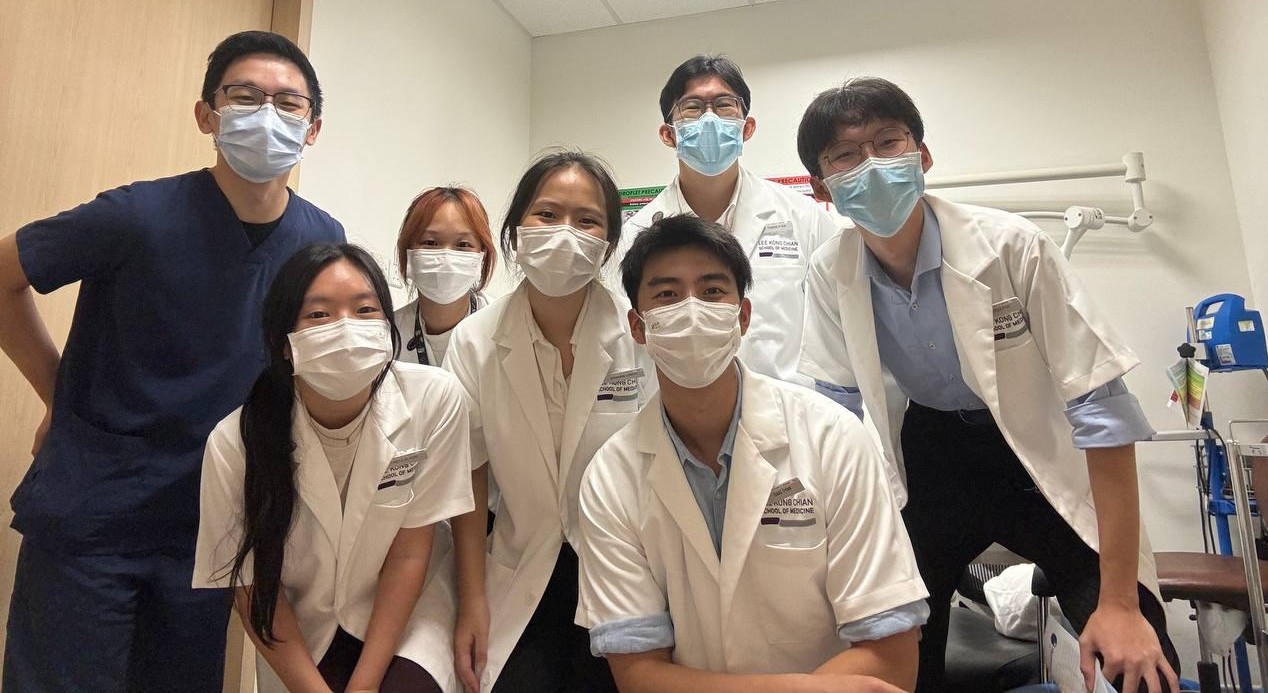
As clinicians, one of our greatest challenges is balancing patient care with the education of residents and students. This has made me appreciate even more deeply the time and effort our tutors invested in teaching us at medical school.
What helps is making a conscious effort to integrate our students into the team as much as possible, encouraging them to learn through real clinical experiences and direct interaction with patients.
For example, following a patient from their initial presentation in the Emergency Department, through the diagnostic work-up and investigations, and ultimately observing their surgery, provides a powerful, hands-on learning journey. It helps to solidify their understanding and allows them to see how different aspects of medical knowledge come together in practice.
What is most rewarding about seeing patients recover after surgery?
One of the most rewarding aspects of my surgical training has been seeing the direct, tangible impact of our work on patients’ lives. Many of our patients come to us critically ill or with life-limiting conditions, where surgery may be their only viable treatment option.
Being part of a team that performs a complex operation well and then watching the patient recover and eventually walk out of the hospital is incredibly fulfilling. My favourite moments have always been seeing those same patients return to the clinic for follow-up, walking in on their own as they continue on their journey to recovery.
Having come this far, what are you still hoping to learn?
Professor Low Cheng Hock often reminds us of the quote, “If I have seen further, it is by standing on the shoulders of giants.”
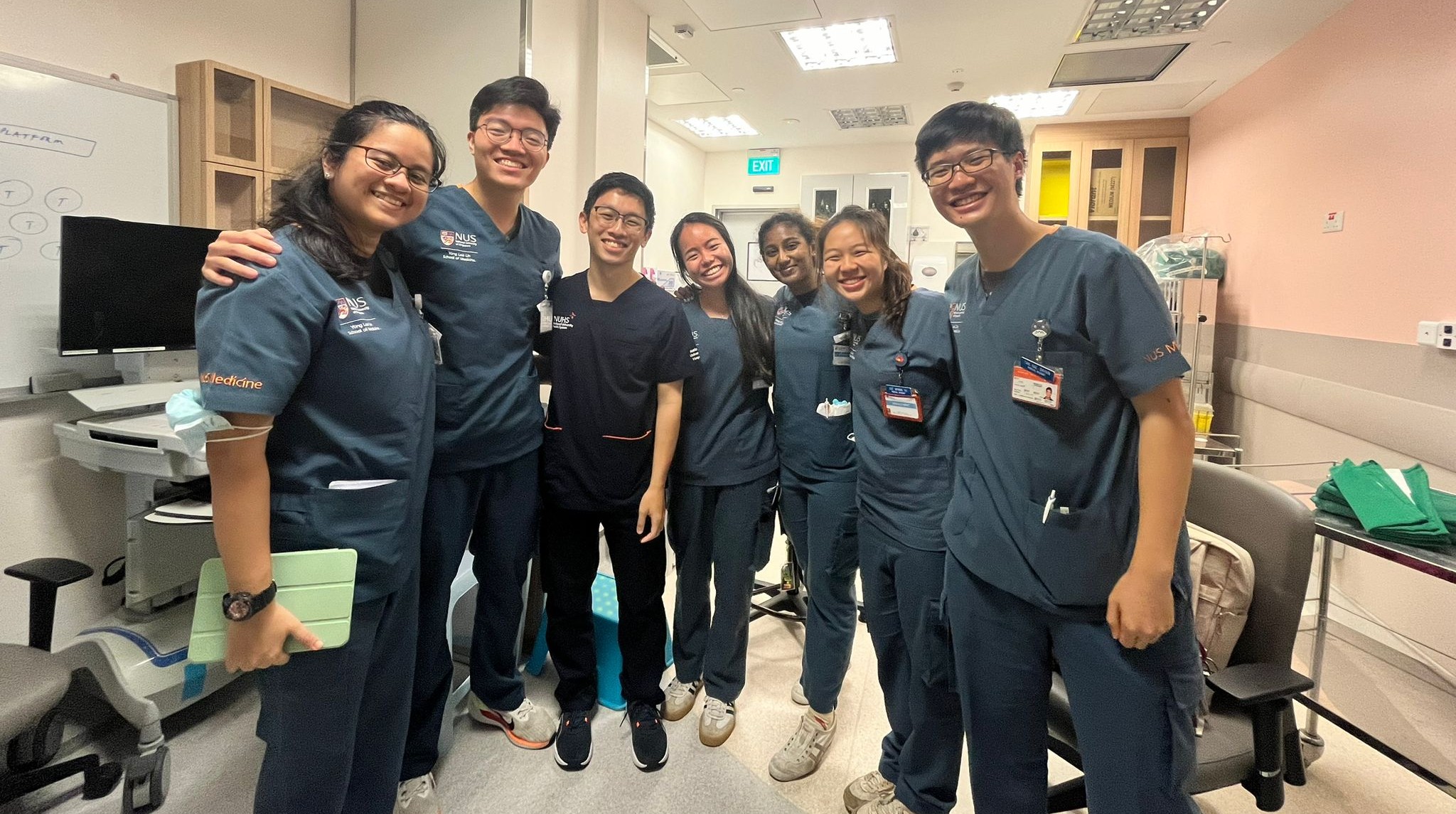
Over the years, I have come to appreciate the truth in that more and more. I have been incredibly fortunate to have had mentors in medical school, during residency and now in my team and department who have supported and guided me throughout this journey. For me, mentoring students and junior residents is a natural way to pay that support forward.
Medicine is often described as both an art and a science, and I believe that is especially true in surgery. Surgery is essentially a craft, one that requires continuous learning, refinement and growth.
Even after completing residency, I am acutely aware that my journey is far from over. The learning never stops in surgery, and I am eager to continue building on my skills and deepening my understanding as I grow in this profession.