
Published on 13 July 2026
The Last Dream: What Cristiano Ronaldo Teaches Doctors and Students About Not Giving Up
By Joseph Sung MD, PhD
When Cristiano Ronaldo walked off the pitch after Portugal’s final match in the World Cup, it was more than the end of a football campaign. It was the closing scene of one of sport’s longest acts of ambition. At 41, an age when most footballers have long disappeared from the world stage, Ronaldo was still chasing the dream that had eluded him: lifting the World Cup for Portugal.
He did not have to be there. His records were already secure. His fame was already global. His place in football history was beyond dispute. Yet he continued to train, compete, endure criticism, and carry the burden of expectation because there was one more dream he wanted to pursue.
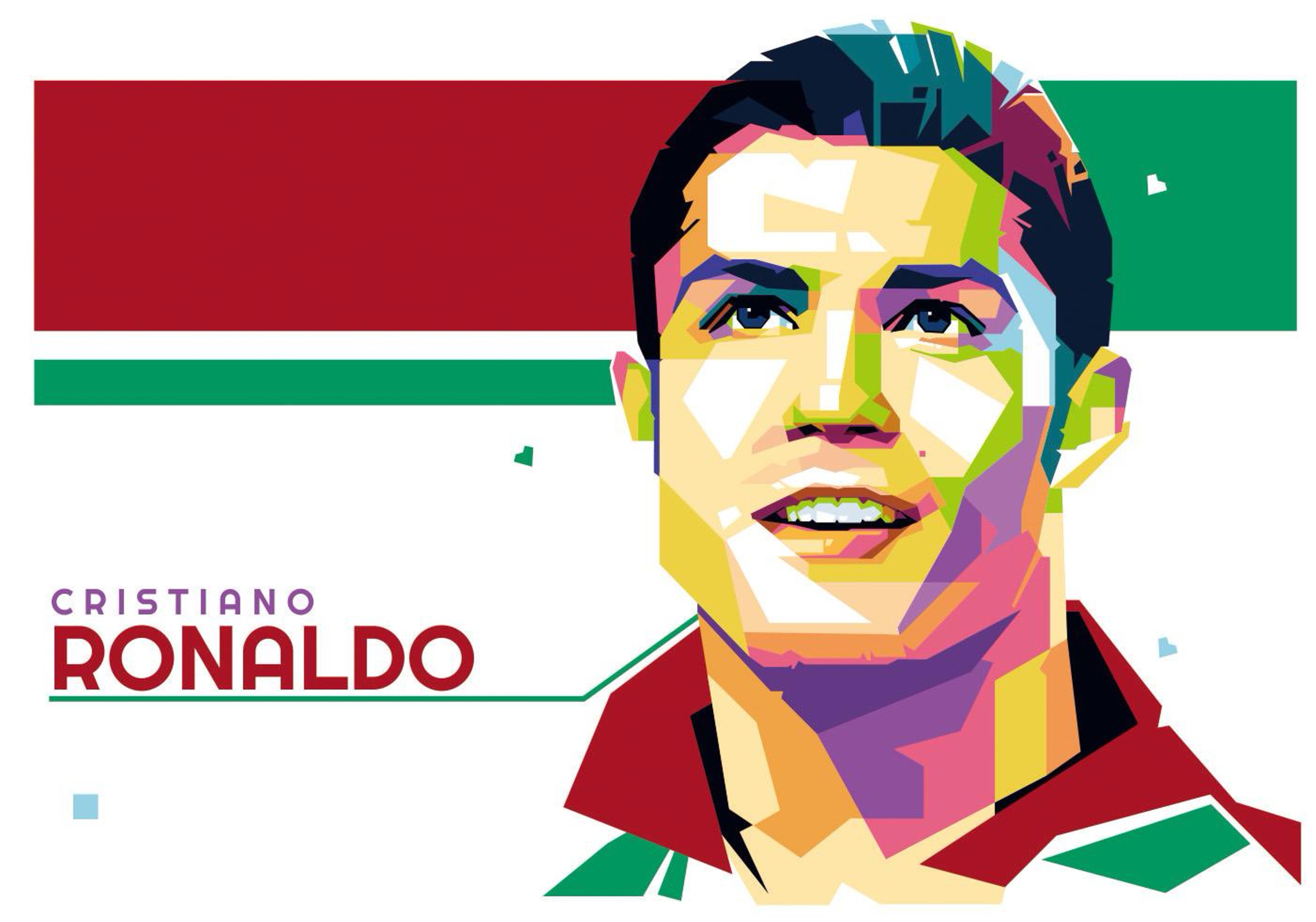
Image credit: Vecteezy.com
That image has a message far beyond sport. It speaks to all of us – doctors, medical students, researchers, teachers, and anyone who has ever wondered whether age, failure, or fatigue should define the limits of their ambition.
In medicine, we often measure ourselves against time. Students worry that they are too late to start. Young doctors worry that they are not progressing fast enough. Senior doctors may wonder whether their best years are behind them. Researchers may feel discouraged after rejected grants, failed experiments, or years of slow progress. Clinicians may lose confidence after setbacks, criticism, or exhaustion.
But Ronaldo’s final World Cup reminds us that age does not automatically end ambition. Sometimes, age refines it. Experience may not give us the speed of youth, but it can give us discipline, perspective, resilience, and purpose.
The work of a doctor is not a sprint. It is a long season of learning, service, mistakes, recovery, and renewal. Many of the most meaningful contributions in medicine are not made by the youngest or the fastest, but by those who continue to show up: the consultant who keeps teaching, the researcher who keeps asking difficult questions, the student who improves after failure, the clinician who refuses to become cynical.
Ronaldo did not win the World Cup. That matters, because life does not always reward effort with the trophy we want. Medicine is the same. Not every patient survives. Not every research idea succeeds. Not every career path unfolds as planned. But dignity is not found only in victory. It is also found in preparation, perseverance, and the courage to keep striving when success is uncertain.
For doctors and students, the lesson is simple: do not retire your dreams too early. Do not let age become an excuse before it becomes a reality. Do not assume that your most important contribution must happen when you are young. A meaningful life in medicine is built over decades, not days.
There will always be someone younger, faster, more decorated, or more confident. But your task is not to imitate their timeline. Your task is to remain faithful to your calling, to keep improving, and to serve with the best of what you have today.
Cristiano Ronaldo’s last World Cup did not end with the trophy in his hands. But it ended with a man who had given everything to the dream of his country. That is why his story still inspires.
For every doctor who feels tired, every student who feels behind, and every senior professional who wonders whether it is too late: keep going. The final chapter may still be the one that teaches others the most.