
IAS@NTU Lee Kong Chian Distinguished Professor Public Lecture
"Towards Understanding the Molecular Logic of Synaptic Connections"
Synapses constitute the fundamental computational unit of the brain that connect neurons into neural circuits and determine the information processing power of a given circuit. Neuroscience has achieved a basic understanding of presynaptic neurotransmitter release and postsynaptic neurotransmitter reception at synapses, but how synapses are formed and specified remains an enduring enigma. We hypothesize that the synaptic assembly of neural circuits is based on a molecular code that controls synapse formation and synapse specification. This logic is dependent on the interactions between pre- and postsynaptic recognition and signaling molecules. Understanding how synaptic recognition and signaling molecules build synapses and control their properties is one of the key open questions in neurobiology. Synapses are essentially intercellular junctions in which pre- and postsynaptic specializations are organized to mediate neurotransmitter release and neurotransmitter reception, respectively. As intercellular junctions, synapses are organised by synaptic adhesion molecules (SAMs) whose primary function is to mediate bidirectional trans-synaptic signaling processes, with little or any adhesion functions despite their names. Our recent studies uncovered a central role of multiple families of SAMs in synapse assembly, including neurexins and their ligands as well as the adhesion-GPCRs Latrophilins and BAIs and their ligands. In my talk, I will discuss our most recent findings on SAMs in synapse assembly to illustrate how the results of our and other laboratories’ studies on SAMs are not only significant for insight into how neural circuits are constructed but are also informative for neuropsychiatric and neurodegenerative diseases in which SAMs play a central role.
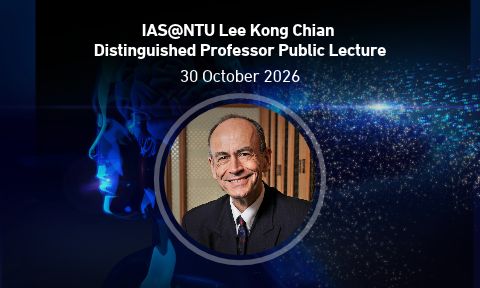
About the speaker [ More info]:
Thomas C. Südhof obtained his M.D. and doctoral degrees from the University of Göttingen in 1982. He performed his doctoral thesis work at the Max-Planck-Institut für biophysikalische Chemie in Göttingen with Prof Victor P. Whittaker on the biophysical structure of secretory granules. From 1983-1986, Südhof trained as a postdoctoral fellow with Drs Mike Brown and Joe Goldstein at UT Southwestern in Dallas, TX, and elucidated the structure, expression and cholesterol-dependent regulation of the LDL receptor gene. Südhof began his independent career as an assistant professor at UT Southwestern in 1986. When Südhof started his laboratory, he decided to switch from cholesterol metabolism to neuroscience, and to pursue a molecular characterization of synaptic transmission. His work initially focused on the mechanism of neurotransmitter release which is the first step in synaptic transmission, and whose molecular basis was completely unknown in 1986. Later on, Südhof's work increasingly turned to the analysis of synapse formation and specification, processes that mediate the initial assembly of synapses, regulate their maintenance and elimination, and determine their properties. Südhof served on the faculty of UT Southwestern in Dallas until 2008, and among others was the founding chair of the Department of Neuroscience at that institution. In 2008, Südhof moved to Stanford, and became the Avram Goldstein Professor in the School of Medicine at Stanford University. In addition, Südhof has been an Investigator of the Howard Hughes Medical Institute since 1986.