Powering Progress: Leading Asia’s Clean Energy Transformation
Henry Eu on powering systems, policies, and people through clean energy
Henry Eu didn’t start out in clean energy. He began his career in banking, focusing on credit risk and derivative operations. But numbers alone didn’t satisfy him for long, he wanted to make a meaningful difference beyond the desk. “Moving into solar was a leap of faith that became a purpose,” he reflects – a decision that would shape his path from an analyst to business development and now to regional policy.
Today, Henry is Head of Policy and Development at the Asia Clean Energy Coalition (ACEC), where he helps drive Southeast Asia’s clean energy transition and build the systems, partnerships, and trust that make it possible. His journey shows how purpose can emerge and pivot from uncertainty.
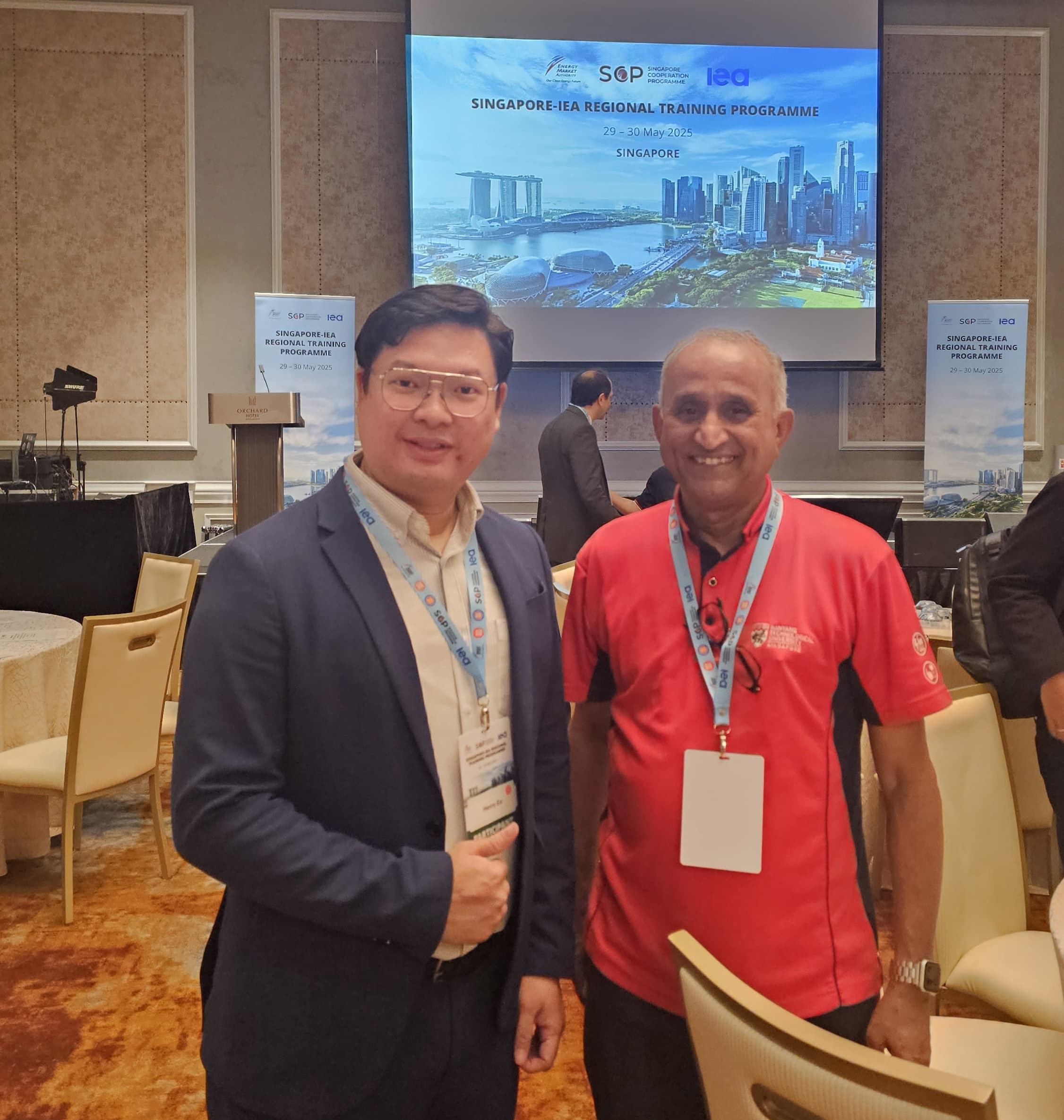
Henry Eu (left): Head of Policy & Development at the Asia Clean Energy Coalition (ACEC) and MSc in Sustainability Management student at Nanyang Business School, with Professor Viswanathan of NTU at an industry event on Cross-Border Electricity Trading.
Turning Uncertainty into Opportunity
Henry’s move into solar came during a career transition. Despite facing a period of unemployment, an open door led him to a role as a supply chain analyst in a solar company. The opportunity offered internal mobility within a fast-growing industry that valued curiosity and problem-solving. Later, in business development, he helped scale rooftop solar projects across Singapore and the wider Asia-Pacific.
The pandemic strengthened his commitment to the field. One project stood out: deploying solar power to support a national COVID-19 recovery facility in Singapore. Despite supply chain disruptions and manpower shortages, clean energy was delivered on time, faster and more adaptable than traditional brown energy solutions. “It reminded me that sustainability isn’t only about the long term,” Henry says. “It’s also about resilience when it matters most.”
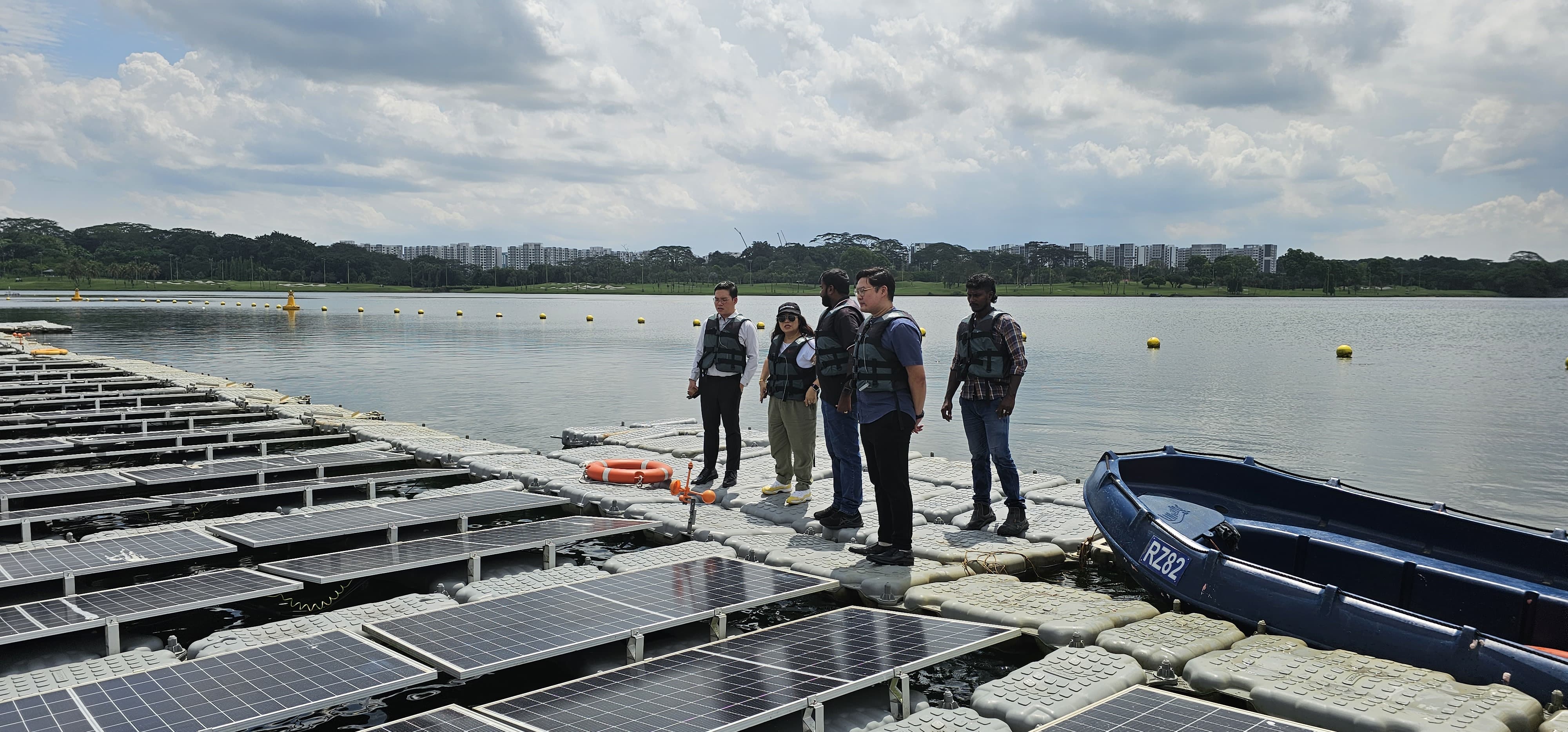
Henry during a site visit to a floating solar project in Singapore, a reminder of how resilience and innovation power sustainability, even in challenging times.
Building Competence and Confidence
Working across Asia, Henry saw a challenge. Technology was advancing faster than policy and public understanding. “The solar industry moves fast, but many stakeholders are still catching up,” he explains. To close that gap, he led factory tours and technical workshops to help others build confidence and capability.
That same integrated approach now defines his work at ACEC. His focus is on making clean energy trusted, investible, and scalable. One example is the Singapore-Indonesia Green Corridor, a cross-border project that could deliver low-carbon electricity to Singapore. Henry helped align it with industrial policy and job creation goals, paving the way for a major solar manufacturing investment in Indonesia. “It wasn’t just about technology,” he says. “It was about building local capability, a win-win for regional cooperation.”
A Broader View of Sustainability
Studying for his MSc in Sustainability Management at Nanyang Business School has helped Henry connect technical work with broader perspectives on sustainability. The programme gives him frameworks that link climate, policy, and business, complementing his industry experience.
“Deploying solar is a start,” he says. “But true decarbonisation goes in hand with technology advancements, it’s about building a business case where renewables, energy efficiency, and smart carbon strategies work together to deliver both impact and cost savings.”
That reflects how he sees sustainability today. What began as a focus on energy has grown into a deeper understanding of inclusion, circularity, and shared opportunity. “Sustainability isn’t just a cost,” he says. “It’s a driver of innovation and growth.”
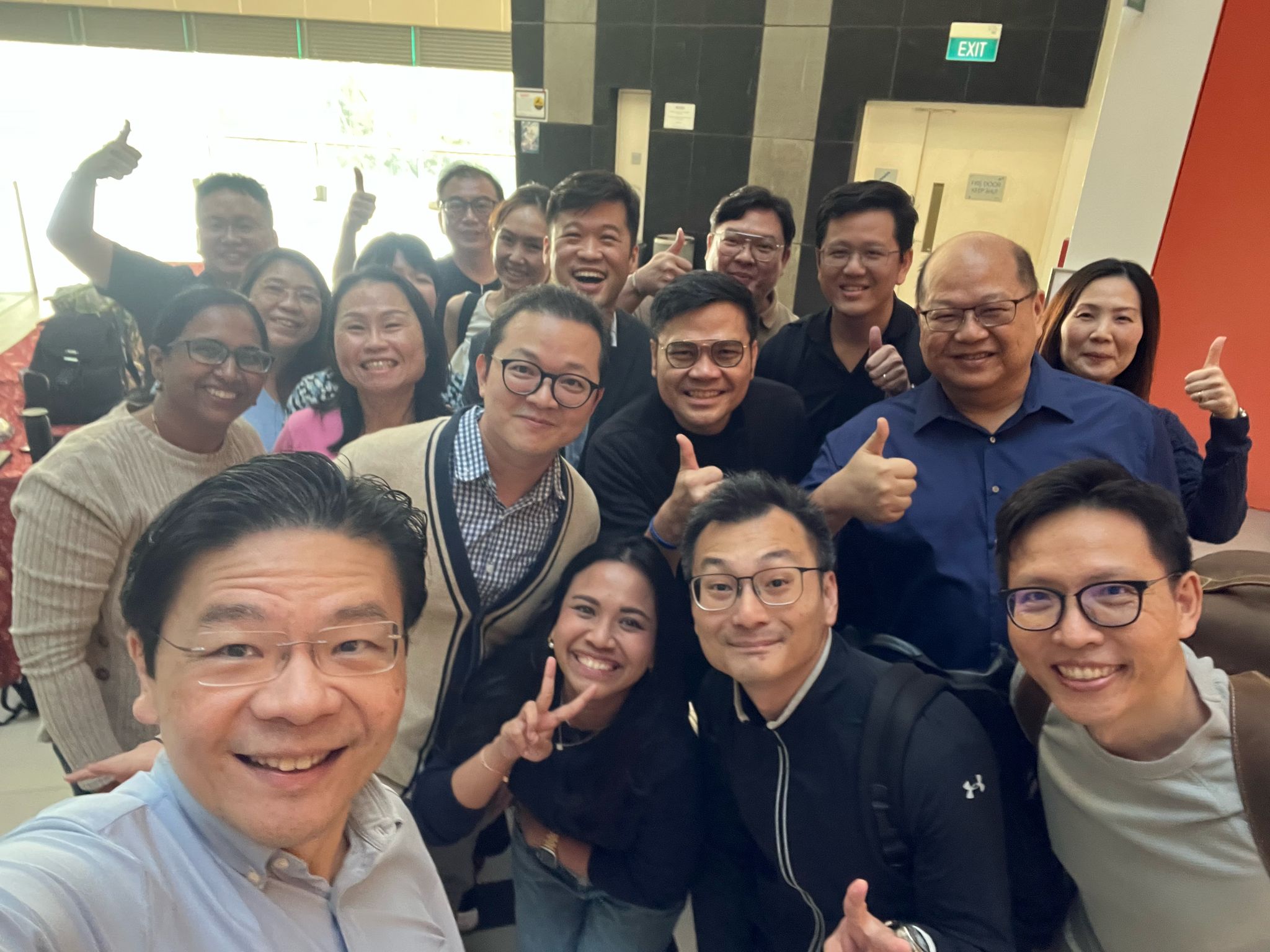
Henry with his fellow EMSc classmates. A surprise visit by PM Lawrence Wong to Lifelong Learning Institute.
Connecting Policy, Practice, and People
At ACEC, Henry is now working to make cross-border renewable electricity count toward corporate decarbonisation goals. “Companies want to move faster,” he says, “but international standards need to evolve. Until they do, valuable clean energy projects risk being left unrealised. ”
To bridge that gap, he and his team collaborate with corporates, policymakers, standard setters, and regional partners to develop frameworks that enable credible renewable energy sourcing across domestic and cross-border markets.
Looking back, Henry credits his shift from finance to sustainability to having guidance from mentors and trusting the process. “Career pivots always come with uncertainty,” he says. “But even in seasons that lack clarity, you often find they’re shaping you for what comes next.”
People at the Core of Change
For Henry, the energy transition is not just about megawatts or markets, it’s about people. “Sustainability is a collective effort,” he says. “It’s about shared benefits and bringing more people along the journey. That’s where the real power lies.”