Building Bridges: Academia, Finance, and the Future of Sustainability
NBS Assistant Professor Yuxia “Sarine” Zou on aligning research with values, shaping sustainable finance, and connecting ideas to impact.
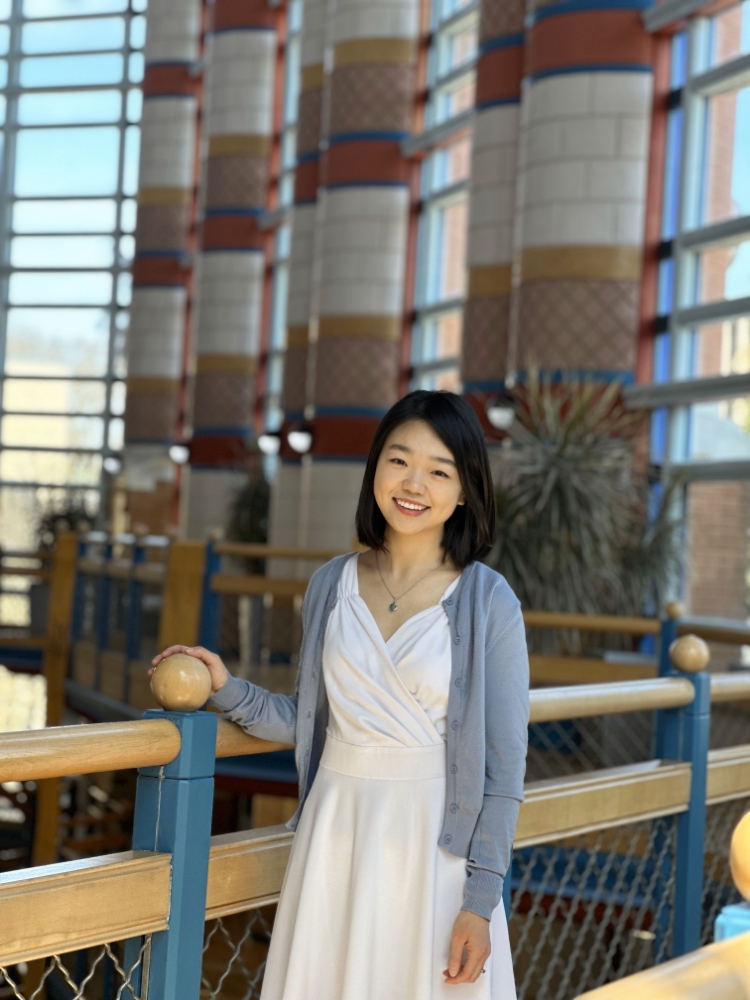
For Yuxia Zou, or Sarine, the path to sustainability was anything but straight. It began in English literature, detoured through international trade and consulting, and eventually found solid ground in corporate sustainability research. What may look like a winding road was in fact guided by a quiet, persistent question: how can accounting and finance help build a more sustainable world?
“I discovered a fascination with financial numbers during an internship at Prudential Hong Kong,” she says. “But it was during my honours year at the University of Queensland that I saw how sustainability could be examined through accounting and finance. That changed everything.”
Today, she’s a researcher, educator, and bridge-builder between theory and practice, bringing rigour, ethics, and clarity to one of the most urgent challenges of our time.
Rethinking Value: Accounting For Sustainability
For Sarine, accounting isn’t just about compliance. It’s about how organisations define success -- and the systems that shape decisions, incentives, and behaviour. Finance, in turn, determines where capital flows and on what terms.
“To build sustainable capital markets, we must embed sustainability into these systems,” she says. “That means evaluating risks and returns in ways that acknowledge externalities.”
At the heart of her work is a simple conviction: sustainability isn’t peripheral to business; it’s integral to how value is created, measured, and protected.
Her recent paper, “Sustainability in Retreat: Understanding Institutional Investor Delisting from Principles for Responsible Investment,” explores how internal control systems and disclosure practices influence whether organisations stay true to their sustainability commitments.
“Institutions with stronger management control systems are more likely to maintain those commitments,” she explains. “It’s not just about external pressure -- it’s about internal readiness.”
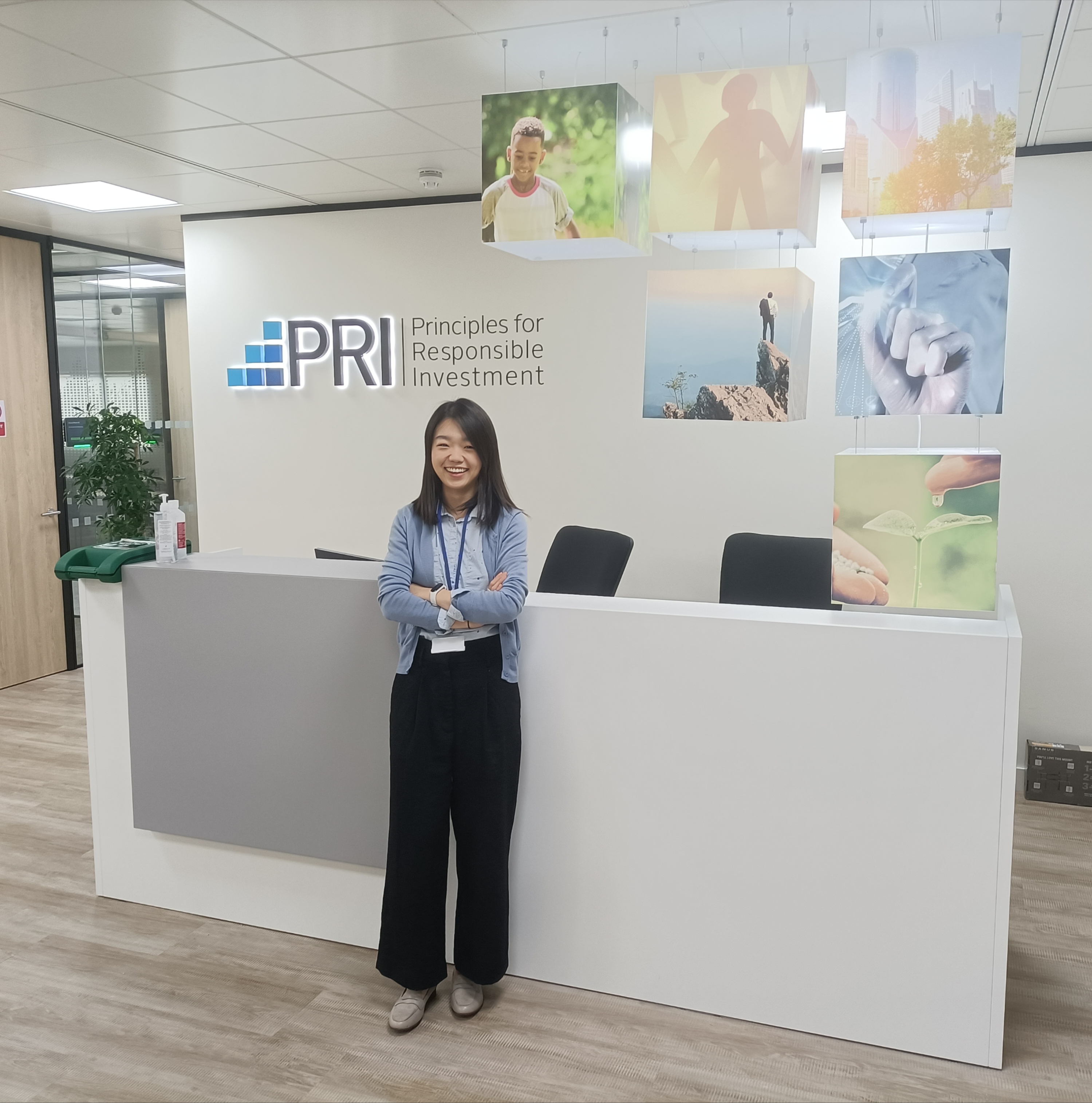
Asst Prof Yuxia Zou at the Principles for Responsible Investment (PRI)
Bridging Research and Real-World Impact
Her time as a Research Fellow at the Principles for Responsible Investment (PRI) sharpened this perspective. Working with the investment community gave her a front-row view of how ideas translate, or fail to translate, into action.
“Academics and practitioners often work in silos, even though we share the same goals,” she says. “That’s why I’m particularly excited about our NBS-PRI-ECGI Public Lecture Series, launched in January 2025. It’s a space for real dialogue between research and practice.”
That spirit also shapes her work with the Alliance for Research on Corporate Sustainability (ARCS), where she serves on the board and steering committee. As Asia’s first institutional host of the ARCS Annual Conference, NTU is helping to shape the global sustainability research agenda.
“Academic networks like ARCS are vital,” she says. “They break down silos and bring informed perspectives to corporate sustainability.”
Teaching with Purpose
In the classroom, Sarine blends analytical depth with moral clarity. Her undergraduate course in Accounting Analysis and Valuation, while not explicitly about sustainability, invites students to think about ESG factors and how they shape firm valuation. Her PhD seminars go further, delving into sustainability research in economics, finance, and accounting.
“I want my students to see that businesses, like individuals, have responsibilities,” she says. “Sustainability without ethics is hollow. Long-term success shouldn’t come at the expense of others’ welfare.”
What Comes Next
Looking ahead, she hopes to shift more of her research towards the under-explored area of managerial accounting and sustainability, specifically how organisations can be effectively managed towards sustainable outcomes.
She also sees Asia playing a more prominent role in the global sustainability landscape.
“With geopolitical uncertainties elsewhere, Asia’s steady commitment stands out,” she observes. “It’s a region full of potential -- in research, education, and corporate leadership.”
And to those just beginning their sustainability journey, her advice is simple but profound.
“Make sure it’s something you truly believe in. Sustainability is not a trend; it’s a necessity. If you’re passionate, go deep. Let your voice be heard.”