
|
|
The course curriculum for this programme has been updated to ensure the currency of course content and resources.
Course curricula pending final approval from SkillsFuture Singapore (SSG).
| Module | Objective |
|---|---|
 Value Creation Through Effective Marketing | This module serves as the foundation of our Strategic Marketing Programme, equipping you with the frameworks to align marketing activities with business valuation. You will explore how to design optimal marketing strategies that create measurable value across all business functions in a fast-evolving digital economy. Learning Outcomes
|
 Uncovering Consumer Insights | Go beyond demographics to understand the "why" behind purchasing decisions. This course focuses on consumer psychology and behavioral science, teaching you how social, cultural, and environmental factors influence decision-making and how to leverage these insights for campaign success. Learning Outcomes
|
 Marketing Intelligence | Transform from a manager into a strategic decision-maker by mastering the art of market research. You will learn key qualitative and quantitative research methods, enabling you to formulate research objectives, design studies, and interpret data to guide high-stakes business decisions. Learning Outcomes
|
 Marketing Analytics | In the age of Big Data, this module equips you with the essential analytics skills to uncover innovative insights from operational data. You will master social media listening, data modeling techniques, and predictive analytics to forecast trends, optimise pricing, and drive competitive advantage. Learning Outcomes
|
 Power of Branding | Your brand is your most defensible asset; this module teaches you how to build, manage, and protect it. You will dive into practical knowledge for managing brand equity, exploring how top Asian and global firms grow their brand value over time to command premium pricing and customer loyalty. Learning Outcomes
|
- Provide you with better access to postgraduate-level training so you can personalise your learning pathway and upskill/reskill in a timely fashion
- Enable you to build on your experience, transition and prepare for a career shift, and become future-ready in an ever-changing employment market
- Earn credits that you can stack towards a postgraduate degree at Nanyang Business School, Singapore
The next intake for this programme will be in July 2026.
If an intake is fully enrolled, your application will be considered for the next available intake.
Updates to your application status will be sent to you at least 6 weeks before commencement of the programme.
As seats are limited, please send in your application early to avoid disappointment.
| Module |
Class Dates |
|---|---|
| Value Creation Through Effective Marketing | 4 Jul, 11 Jul, 18 Jul, 25 Jul 2026 |
| Uncovering Consumer Insights | 15 Aug, 22 Aug, 29 Aug, 5 Sep 2026 |
| Marketing Analytics | 19 Sep, 26 Sep, 3 Oct, 10 Oct 2026 |
| Marketing Intelligence | 24 Oct, 31 Oct, 14 Nov, 21 Nov 2026 |
| Power of Branding | 9 Jan, 16 Jan, 23 Jan, 30 Jan 2027 |
Programme Attendance
- Successfully admitted participants have to commit to the published schedule.
- The course duration is 30 weeks, with four Saturday classes per module.
- All classes are held in-person only, from 8.30am to 5.30pm at the Lifelong Learning Institute (near Paya Lebar MRT) and the last day of class on 30 Jan 2027 at NTU Nanyang Business School.
- No make-up classes for absentees.
- Mandatory attendance is required for programme info session and details will be provided upon successful admittance into the programme.
- Nanyang Technological University reserves the right to change the date, time, venue, and mode of delivery of classes due to unforeseen circumstances or prevailing government advisory.
Course fee revisions are made to align to corresponding Master’s programme fees.
Course fee revisions are pending final approval from SkillsFuture Singapore (SSG).
| Full Programme Course Fees in SGD (fees and funding quoted below are subject to revision) |
||
|---|---|---|
| Fees BEFORE funding & GST |
Fees AFTER funding & 9% GST |
|
| Singapore Citizens (aged 21-39) / PR (aged ≥21) Up to 70% SSG Funding |
$24,165.00 | $7,901.96 |
| Singapore Citizens (aged ≥40) MCES1 - Up to 90% SSG Funding |
$24,165.00 | $3,068.96 |
| SME-sponsored Singapore Citizens / PR ETSS2 - Up to 90% SSG Funding |
$24,165.00 | $3,068.96 |
| NTU Alumni Fee payable after 70% SSG Funding and use of $1,600 **NTU Alumni Course Credits |
$24,165.00 | $7,378.76 |
2. Enhanced Training Support for Small & Medium Enterprises (ETSS) Scheme
Funding/Programme Requirements
- You must achieve a minimum of 75% attendance for each module.
- You must complete and pass all assessment components.
You do not need to contact SkillsFuture Singapore (SSG) to apply for the above funding. Upon your successful admission to the programme, NTU will handle the funding administrative for all applicants. Billing is by module on the nett amount after funding and GST. Full payment is to be made before the start of module.
SSG funding is limited in duration and subject to the prevailing conditions of the funding agencies.
SkillsFuture Credit
Singapore Citizens, aged 25 and above, and self-sponsored, may use their SkillsFuture Credit to defray full or part of the nett course fee.
Singapore Citizens, aged 40 and above, and self-sponsored, may use their NEW Top-up of $4,000 SkillsFuture Credit (Mid-Career) to defray full or part of the nett course fee.
You may check your SkillsFuture Credit balance by logging into MySkillsFuture.sg.
**NTU Alumni Course Credits
All self-sponsored NTU/NIE alumni may utilise their Alumni Course Credits (ACCs) as direct discounts on the course fee before any applicable eligible funding is applied.
For more info on ACCs, please click here.
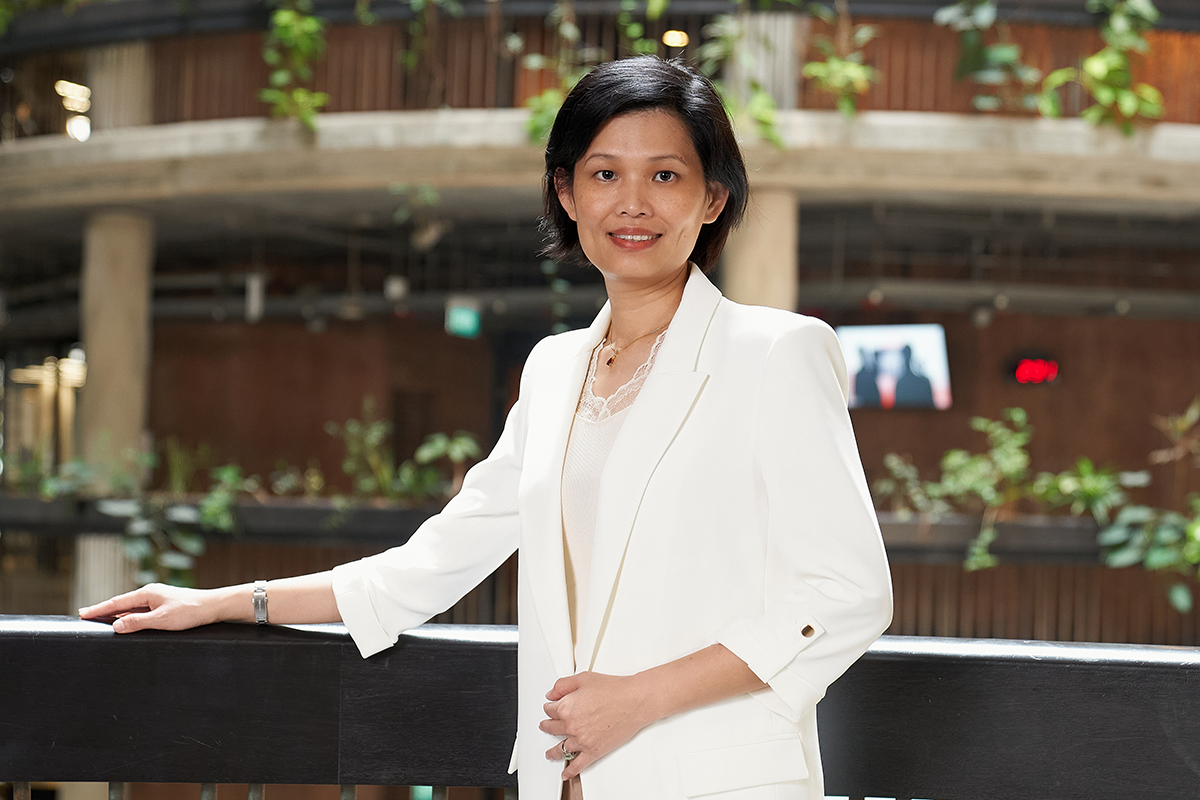
Appropriate level of academic rigour and mental stimulation
“It's an alternative to an MBA or a full master’s degree for busy working professionals like myself to upgrade ourselves. And a good way to start going back to do something in a more structured way, in the classroom style.”
— Head, Regional Marketing, Energy & Infrastructure Asia South, Kang Peck Tze
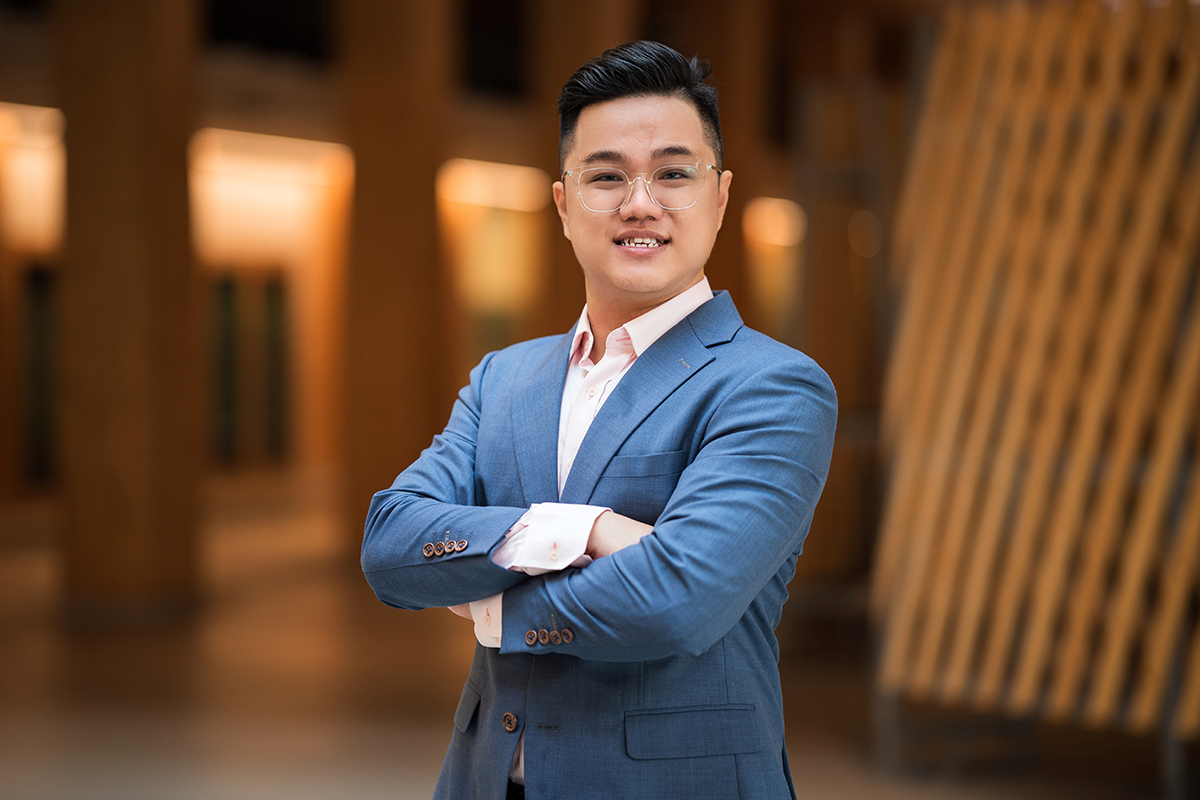
Engineer turned preschool teacher/manager picks up Marketing
"What stood out to me was the programme's focus on real-life scenarios, pushing us to apply what we learned in tangible ways. It pushed me to apply learned theories in real scenarios, reshaping my approach to digital marketing."
— Educator/Manager, Soh Yan Da