Engineering Multimodal Cellular and Biomimetic Platforms for Next-Generation Precision Medicine by Assistant Professor Boram Son
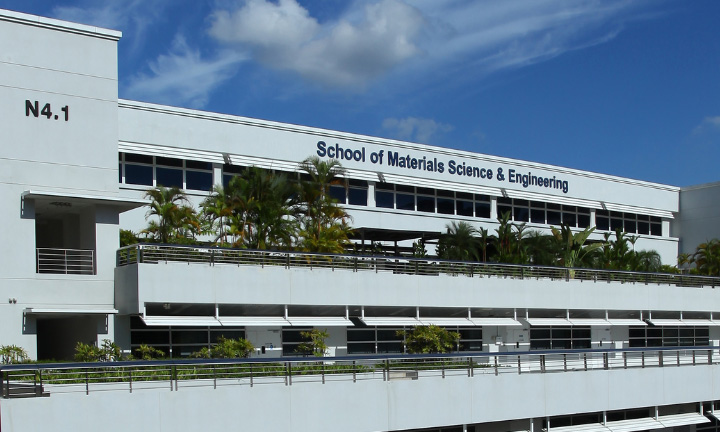
NTU MSE Seminar Hosted by Professor Cho Nam-Joon
Abstract
Recent advancements in translational biotechnology demand integrated strategies that bridge molecular biology, advanced materials science, and cellular engineering. This seminar presents a multimodal engineering approach designed to pioneer transformative solutions in precision medicine, focusing on stem cells, advanced 3D tissue models, and smart drug delivery systems (DDS). First, we explore biomaterial-driven regulation of stem cell lineage specification to enhance therapeutic efficacy. Specifically, we highlight the utilizing of functional biomaterials to precisely control the stem cell microenvironment, thereby guiding targeted neurogenesis and myogenesis while significantly improving cellular viability and therapeutic potentials. Second, we discuss the fabrication of sophisticated 3D organoids and integrated assembloids that faithfully recapitulate complex inter-organ landscapes. To bridge the gap between in vitro models and in vivo efficacy, we leverage biomimetic "organ-on-a-chip" infrastructures, demonstrating how multi-tissue chips can reconstruct complex physiological microenvironments, validate therapeutic integration, and rescue vascular barrier functions. Lastly, we introduce next-generation cellular and gene therapy platforms that overcome the critical limitations of conventional peptide therapeutics, such as short half-lives and enzymatic vulnerability. By utilizing engineered immune cells as targeted delivery vehicles that provide sustained release of therapeutic peptides, our research strives to establish robust bio-innovation platforms that address immune microenvironments and tissue regeneration. Ultimately, this presentation underscores how a holistic integration spanning from macro-scale biomimetic organ models to micro/nano-scale cell-driven therapeutic systems can overcome current bottlenecks in translational medicine. By converging these multidisciplinary technologies, our research aims to establish a novel paradigm that paves the way toward clinical-grade, next-generation precision medicine.
Biography
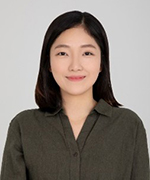
Kookmin University, South Korea
Professor Boram Son is an Assistant Professor in the Department of Integrative Biotechnology at Kookmin University, South Korea. Her research focuses on the development of advanced cellular and biomimetic platform technologies for applications in precision medicine. Dr. Son’s major research efforts lie in stem cell engineering and cell-driven therapeutics. Specifically, she has worked on the biomaterial-driven regulation of stem cell fate as well as engineering cell-based delivery vehicles to improve the stability and sustained release of therapeutic peptides. Furthermore, her group focuses on establishing advanced disease-mimicking organoid platforms to investigate complex pathogenic landscapes. Her current research expanding these single-tissue organoids into integrated multi-tissue assembloids to better recapitulate inter-organ interactions and validate cellular therapeutics. She received her B.S. in Animal Biotechnology and her Ph.D. in Chemical and Biological Engineering from Seoul National University. Prior to her current appointment, she gained international research experience as a Visiting Scholar at Harvard Medical School / Boston Children’s Hospital and served as a Research Assistant Professor at Hanyang University.