
Research and Application of Intelligent Land-based Factory Aquaculture Technology by Professor Zhengguo Cui
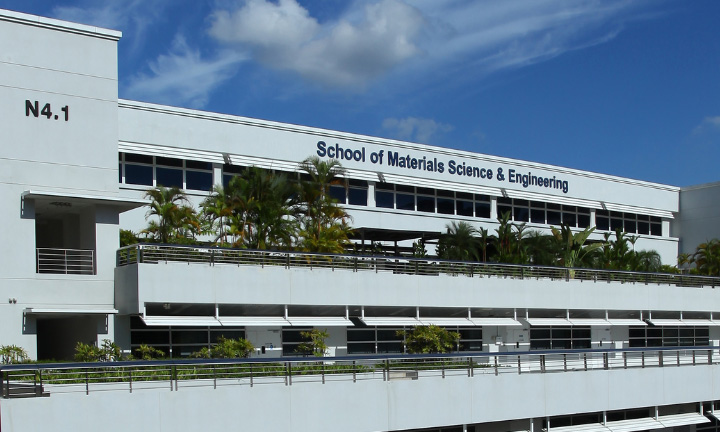
NTU MSE Seminar Hosted by Professor Joachim Loo
Abstract
Land-based recirculating aquaculture systems (RAS) offer high stocking density, efficient water and land use, and low environmental impact, making them a promising pathway for sustainable aquaculture. Over the past three decades, sustained national R&D support has enabled China to develop RAS technologies for more than 30 farmed species, with the sector now moving towards intelligent and unmanned operations. However, gaps remain relative to international benchmarks in mechanisation, labour productivity, and resource-use efficiency.
Our research addresses key bottlenecks in water treatment, intelligent sensing, specialised equipment, energy management, tailwater treatment, and integrated farming systems. We developed electro-oxidation-biofiltration systems, pH-adaptive control, and intelligent dissolved-oxygen regulation to mitigate ammonia and nitrite accumulation and stabilise water quality. Deep learning and machine vision were applied to improve ByteTrack and ST-GCN for real-time fish behaviour tracking and feeding recognition, alongside a multimodal disease early-warning system capable of issuing alerts 24 hours ahead of conventional water-quality monitoring. We also engineered specialised equipment for microbial sensing, dead-shrimp and shell removal, precision feeding, fish transport, and juvenile grading and counting, reducing labour costs and improving operational efficiency. Renewable-energy technologies, including water‑source heat pumps, solar heating, heat-exchange storage, and intelligent energy management, were integrated to reduce energy consumption. Source‑water membrane purification, MBR‑based tailwater treatment, and constructed-wetland reuse were further implemented to improve water recycling. Using the above technologies and equipment, we established RAS production models for multiple species. Our findings offer a solid technological foundation for advancing unmanned factory farming and support the sustainable, green evolution of the aquaculture industry as a whole.
Biography
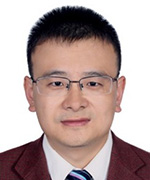
Professor Zhengguo Cui
Yellow Sea Fisheries Research Institute
Dr. Zhengguo Cui is a Research Professor at the Yellow Sea Fisheries Research Institute, Chinese Academy of Fishery Sciences, where he also serves as Deputy Director of the Fisheries Environment and Bioremediation Research Department and Chief Scientist of the Innovation Team for Land‑Based Factory Aquaculture. In 2023, he was selected for the prestigious “Water Science and Technology Talents” Leading Talent Programme. His research centres on environmental regulation and tailwater treatment technologies for marine aquaculture. He has pioneered key innovations in online water‑quality monitoring and constructed‑wetland recycling systems, and has developed an energy-efficient, closed-loop recirculating aquaculture model that has been successfully scaled up for industrial application.Dr. Cui has led over ten national and provincial‑level research projects, including initiatives under the National Key R&D Programme and the National Natural Science Foundation of China. He has received ten provincial and ministerial science and technology awards, three of which as first author. His publication record includes more than 100 papers (42 indexed in SCI) and over ten authored or co‑authored monographs. He holds five invention patents and sixteen software copyrights as first inventor and has contributed to the formulation of one national standard and two provincial standards. In addition, he serves as a Position Scientist for the National Marine Fish Industry Technology System and is a member of the North Pacific Marine Science Organisation (PICES).