
Emerging Carbon-Coupled Electrochemical Systems for Energy-Efficient Hydrogen Production and CO₂ Utilization by Professor Guntae Kim
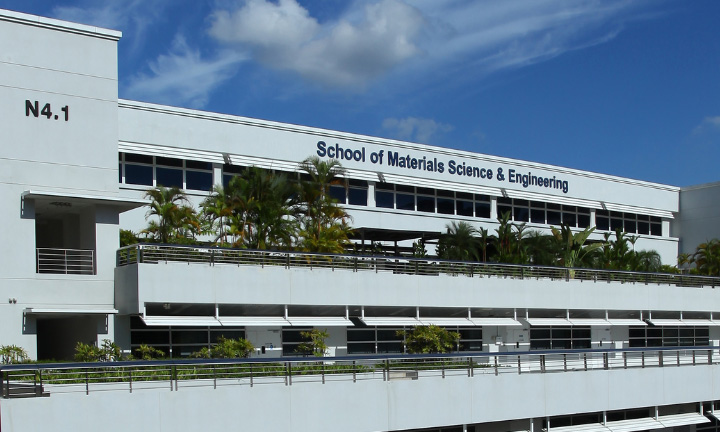
NTU MSE Seminar Hosted by Professor Xu Zhichuan Jason
Abstract
Electrochemical technologies integrating CO2 into energy conversion are attracting increasing attention for sustainable hydrogen production. However, in most existing systems, CO2 remains a passive reactant with limited impact on energy efficiency and system performance. Here, we introduce carbon-coupled electrochemical systems in which CO2 actively regulates reaction thermodynamics and kinetics. By combining system-level optimization with HER catalyst engineering, we stabilize carbonate and bicarbonate species while enhancing hydrogen evolution under near-neutral conditions. These design principles are further extended to ammonia electrolysis, enabling low-voltage hydrogen production through optimized anodic reaction pathways. This strategy improves energy efficiency and operational stability, establishing a new paradigm in which CO2 fundamentally redefines the electrochemical process. Carbon-coupled architectures provide a scalable framework for next-generation water and ammonia electrolysis, enabling efficient hydrogen production with meaningful CO2 utilization.
Biography
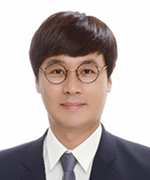
Professor Guntae Kim
Shanghai Institute of Applied Physics (SINAP)
Chinese Academy of Sciences
Professor Guntae Kim is a Professor in the Department of Energy Materials and Chemistry at the Shanghai Institute of Applied Physics (SINAP), Chinese Academy of Sciences. His research focuses on electrochemical energy conversion and storage, including water and ammonia electrolysis, CO₂ utilization, solid oxide electrochemical cells, metal–CO₂ batteries, and electrocatalysts for sustainable hydrogen production. Before joining the Chinese Academy of Sciences in 2023 through the CAS Hundred Talents Program, he was a Professor at UNIST, Korea. He received his Ph.D. from the University of Houston and completed postdoctoral research at the University of Houston and the University of Pennsylvania. He has published over 157 SCI papers, including in Nature Materials, Nature Catalysis, Nature Communications, Science Advances, JACS, Angewandte Chemie, Advanced Materials, and Energy & Environmental Science, holds 134 patents, and serves on the editorial boards of The Innovation, ChemElectroChem, and ChemNanoMat.