
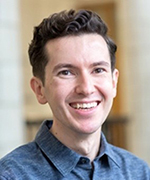
Materials on Demand by Professor Aron Walsh and Dr. Irea Mosquera-Lois
24 Jun 2026
10.30 AM - 11.30 AM
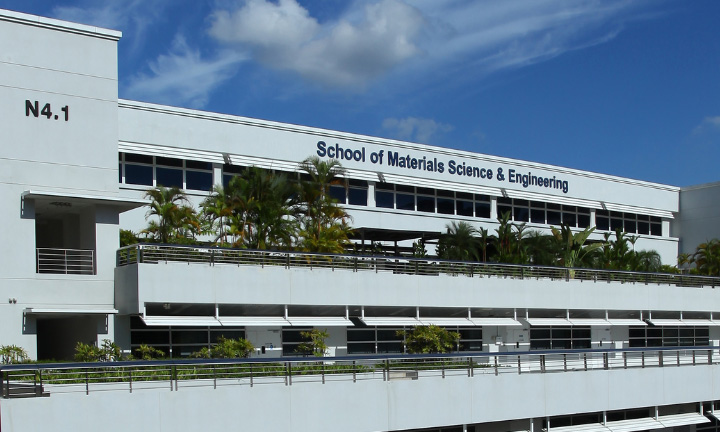
MSE Meeting Room 1 (N4.1-01-28)
Alumni, Current Students
NTU MSE Seminar Hosted by Professor Lydia Helena Wong
AbstractThe inverse design problem (given a target property or function, identify the optimal material) represents one of the central challenges in materials science. The landscape of materials theory and simulation is addressing this problem through the integration of new techniques and tools from the artificial intelligence (AI) community [1]. Progress in hardware, including classical supercomputers and emerging quantum computers, alongside software advancements incorporating advanced algorithms and statistical machine learning models, is expanding what is now possible. A particular opportunity lies in multimodal AI, which can bridge heterogeneous data streams spanning computation, synthesis, and characterisation to build richer and more transferable representations of materials. Recent developments, such as reasoning models and generative diffusion techniques [2], are unlocking application areas ranging from multimodal characterisation to integration with self-driving laboratories. The evolution of data-driven approaches to materials on demand will be surveyed, highlighting their potential to expedite the identification of compounds essential for the next generation of clean energy technologies [3]. The talk will close with reflections on the translation of academic research into emerging industry, with particular attention to the growing AI-for-materials ecosystem.
[1] "Machine learning for molecular and materials science" Nature 559, 547 (2018)
[2] "Has generative artificial intelligence solved inverse materials design?" Matter 7, 2355 (2024)
[3] "Multifaceted nature of defect tolerance in halide perovskites and emerging semiconductors" Nature Reviews Chemistry 9, 287 (2025).
Biography
 | 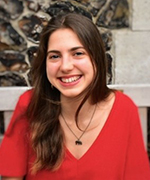 |
Irea Mosquera-Lois is a Member of Technical Staff at CuspAI, following her PhD in machine learning for materials that was funded by a President’s Scholarship at Imperial College London. She co-developed the codes https://shakenbreak.readthedocs.io and https://doped.readthedocs.io that support advanced modelling of imperfect crystals and was awarded the SusChem Prize for early-career chemistry researchers in Spain