Research Without Borders: NTU MAE at The University of Tokyo Summer Camp
Against the backdrop of Mount Fuji and Lake Yamanaka’s calm waters, five NTU Mechanical and Aerospace Engineering (MAE) PhD students embarked on an immersive research journey at the University of Tokyo Summer Camp. Led by Assistant Professor Yang Jian Fei, the group joined peers from ten universities worldwide to collaborate for a project themed: “An Innovative Device for Future Factories.”
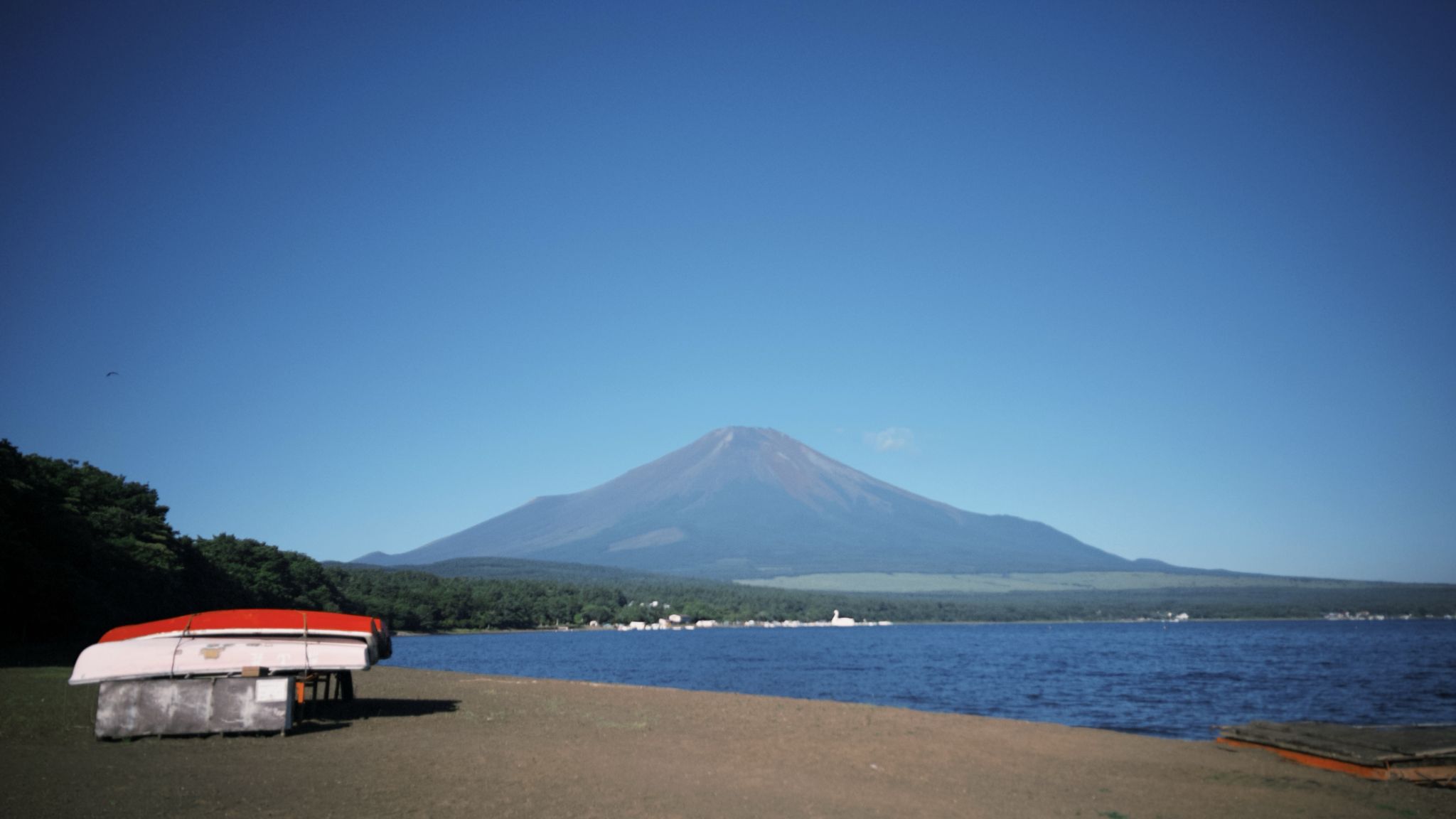 View of Mount Fuji from Lake Yamanaka
 Organisers and participants at The University of Tokyo YAMANAKA RYO Naito Seminar House
Organised under the University of Tokyo’s GMIS and WINGS programmes, the camp brought together students from mechanical engineering, aerospace, chemical engineering and related disciplines. For the NTU PhD students, it was a valuable opportunity to examine how different research cultures approach the same problem and to test their ideas in a truly interdisciplinary setting.
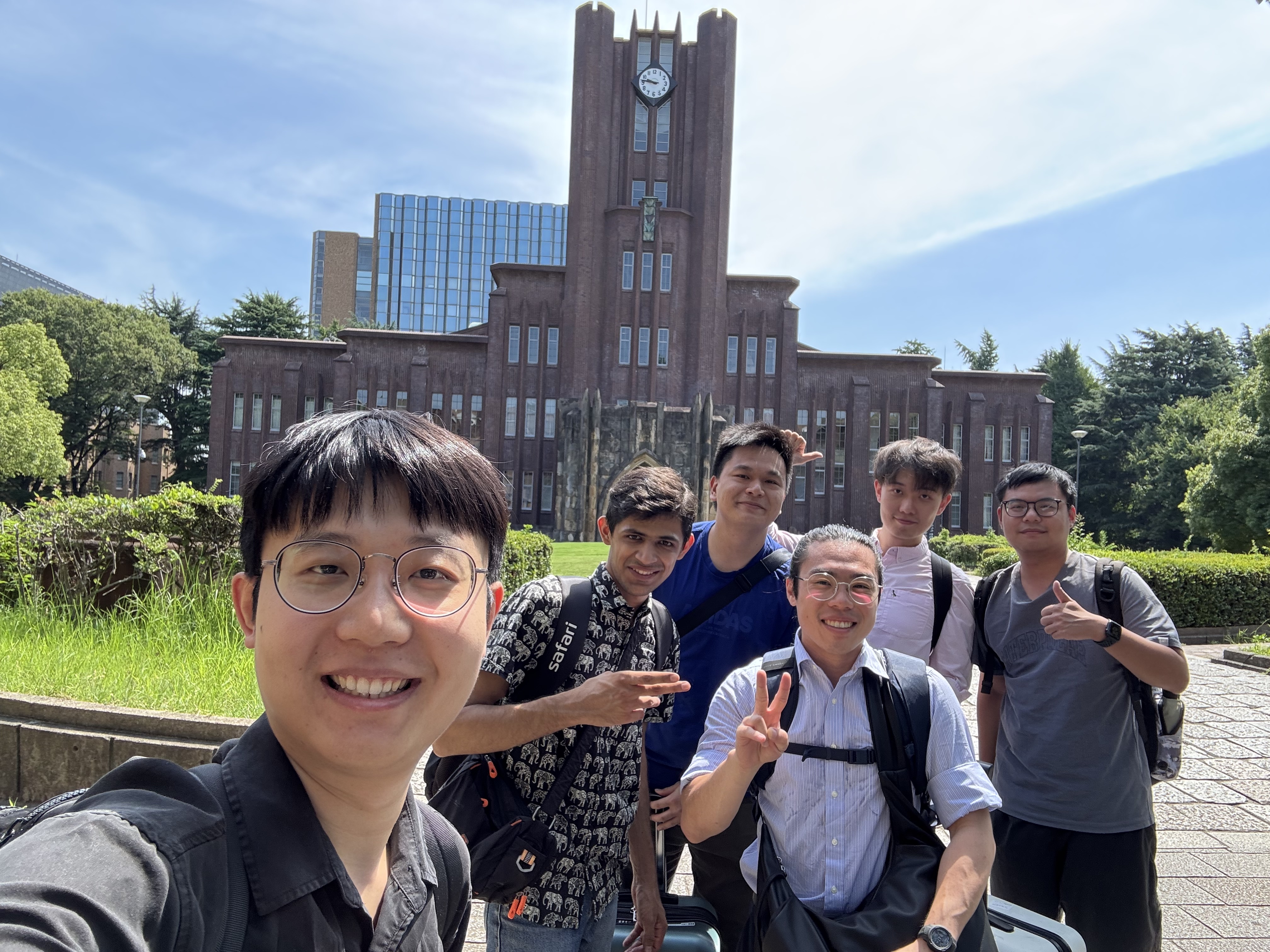 From left to right: Prof Yang Jianfei, Tapasvi Bhatt, Daniel Goh, Samuel Lee, Zhang Yixiao and Zhou Chuhao at University of Tokyo
Engineering for future factories
From the outset, the challenge was framed around a larger question: what must factories become in a world shaped by automation, sustainability pressures and limited resources?
The concept of “future factories” goes beyond faster production lines. It reflects a broader transformation in manufacturing, where systems must be intelligent, adaptive and sustainable. Artificial intelligence, robotics and advanced materials are redefining how products are designed and assembled. At the same time, industries face mounting pressure to reduce waste, lower carbon emissions and operate within circular economy models.
This broader context changed how our NTU MAE PhD students approached the project. The task was not just to design a device that worked. It had to be scalable, resource-efficient and aligned with long-term societal needs. Technical feasibility alone was insufficient. What mattered was the ability to think in systems and to understand how the device would operate within, and influence, a larger manufacturing ecosystem.
Each team was thoughtfully put together with members from different academic backgrounds, research cultures and problem-solving styles. NTU students worked alongside peers from institutions across the United States, Europe and Asia, as well as industry partners. The diversity of perspectives quickly became one of the project’s defining strengths.
“Working with students from various disciplines and cultures is always a unique experience,” Samuel said. “Because our project targeted societal issues, everyone brought perspectives shaped by what they see in their own communities. That made communication and teamwork essential.”
Designing a device for future factories required the group to integrate different fields into one coherent research direction. Rather than jumping straight to solutions, each team first worked to define the problem carefully. They examined inefficiencies in modern manufacturing systems and debated which area could deliver meaningful industrial, environmental and societal impact. Through structured discussions and comparative analysis, the teams narrowed their focus to specific challenges in future automated factories, from recycling technologies (Tapasvi’s team), to industrial safety drone systems (Yixiao’s team).
Once the problem was defined, the complexity only deepened.
“Some focused on building the perfect algorithm, while others prioritised a quick, low-cost prototype,” Tapasvi reflected. “We learned to step back, communicate complex ideas clearly across disciplines, and combine them into one strong proposal.”
The experience reinforced an important lesson for doctoral researchers: innovation in future manufacturing will depend as much on collaboration and integration as on technical expertise.
Learning through Research in Action
The Summer Camp placed strong emphasis on hands on, project-based learning. Samuel reflected on how this contrasted with traditional academic learning.
“Academic learning tends to focus on theories or equations to explain principles,” Samuel said. “Hands on learning places the emphasis on experiencing and tinkering with what you are working with. I believe they are complementary, and one cannot be excluded from the other.”
As someone who works extensively with physical experiments, Samuel found the experience reaffirming his mindset when it comes to learning or trying new things.
“When you are interested in what you are doing, both theory and experimentation start to matter equally,” he added. “A balance of both is important in research, but it could differ widely for different fields.”
Featured Project: Smart 3-in-1 Physical Separation Device for Future Plastic Recycling Factories
Every team proposed a device for future factories. Team 2, comprising Tapasvi Bhatt (NTU), Nadia Oktiarsy (UTokyo), Takumi Endo (UTokyo), Zheng Zhou (Zhejiang University), Ting-Wei Chang (Rice University) and guided by Assistant Professor Morikawa Kyojiro (National Tsing Hua University), chose to focus on plastic recycling, a sustainability challenge that every country was facing.
Research Problem
Global plastic usage is expected to nearly triple from 2019 to 2060, yet recycling rates remain significantly lower than for materials like paper and metals.
Why are plastics not being recycled efficiently?
- Large proportion of plastics such as drink bottles and plastic bags are dark, dirty or contaminated
- Many recycling centres rely on optical methods including Near-Infrared (NIR) scanning which struggle to sort the plastics accurately
- As a result, sorting accuracy remains low and the quality of recycled output suffers, limiting the effectiveness and scalability of plastic recycling systems
The Idea
To tackle this, Tapasvi’s team proposed combining three different physics-based sorting modules into a single system. Instead of depending on one method alone, the device uses a multi-layered approach to separate plastics based on their physical properties.
The system is designed to:
- Sort up to 36,000 particles per hour
- Accurately differentiate between seven types of plastic, including PVC and PET
- Achieve 90–95% sorting accuracy, even with real-world waste conditions
By integrating multiple sorting principles, the device compensates for the weaknesses of any single method, making it robust, adaptable and suitable for future automated factories.
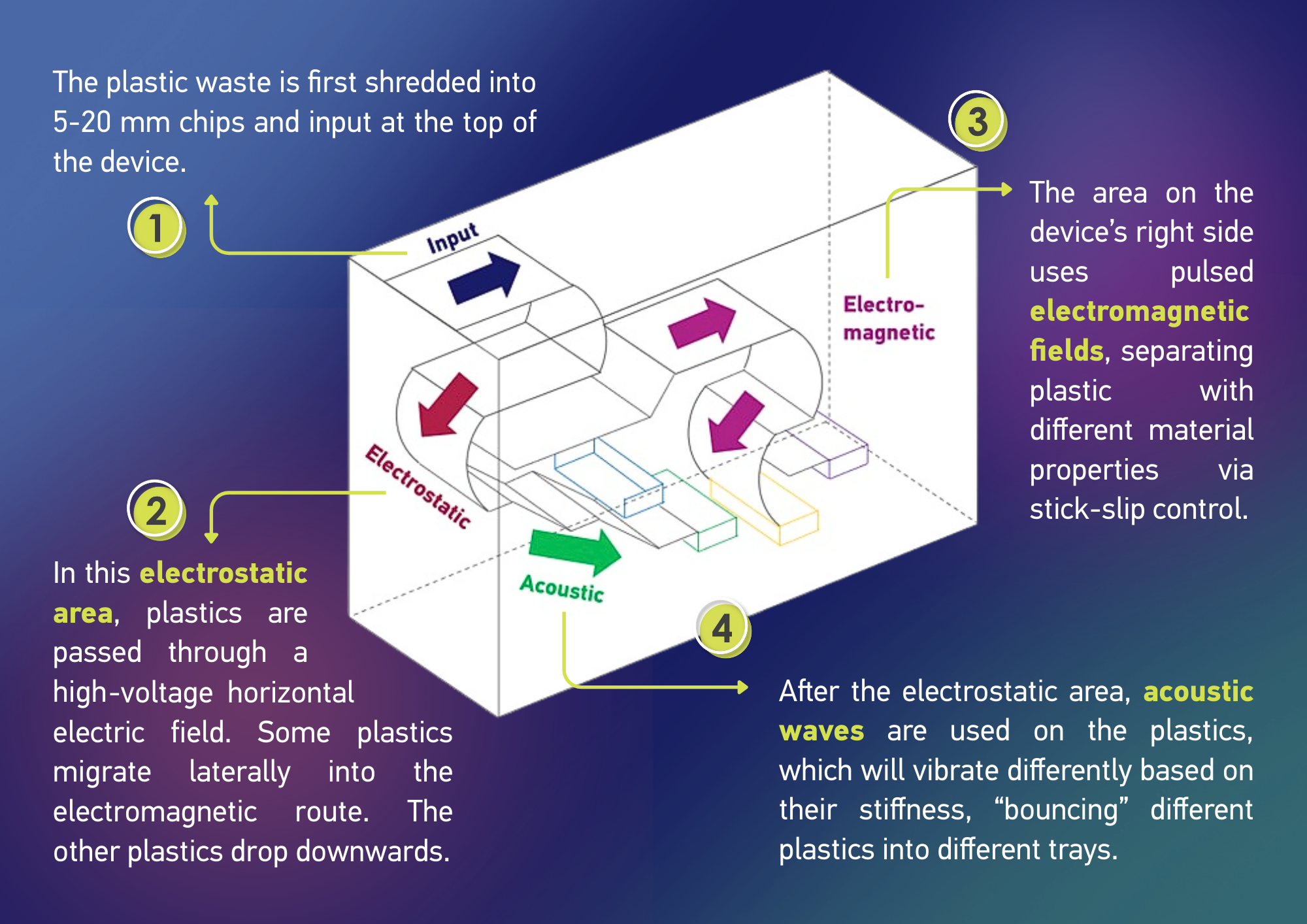 Figure 1: Schematic of the Physical Separation Device employing 3 methods of sorting
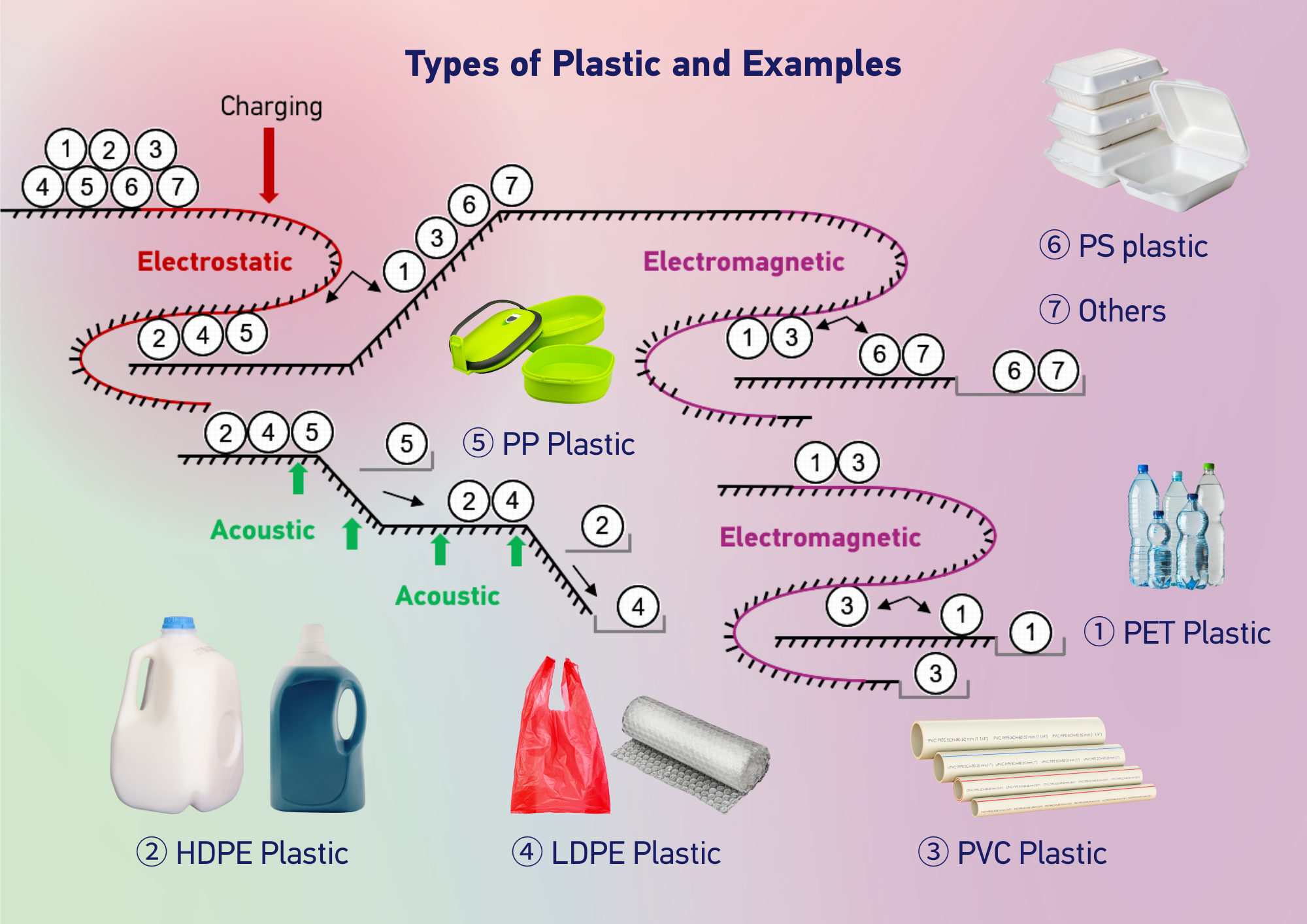 Figure 2: Methodology of the device’s process to separate 7 types of plastic, denoted by the numbered circles
The Impact
- Environmentally, the device could increase recycling rates and support a circular economy by producing cleaner, more reusable polymers.
- From an industrial standpoint, it increases efficiency and purity in recycling lines, which is critical for large-scale manufacturing systems.
- On a global and social level, the concept can be adapted to regional plastic streams, making it particularly relevant for countries without access to high-end sorting infrastructure. It also encourages international collaboration among research institutions, industries, and nations working toward sustainable manufacturing.
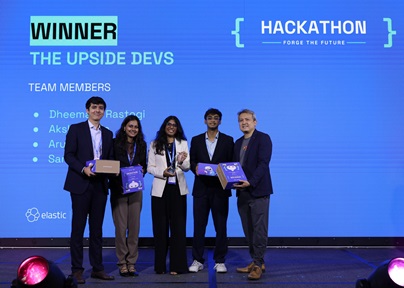
More than a technical proposal, the device reflected the camp’s core themes of interdisciplinary collaboration and engineering for societal impact. The team’s efforts were recognised with the Best Innovation Award, affirming the value of research that integrates sustainability, systems thinking and practical implementation.
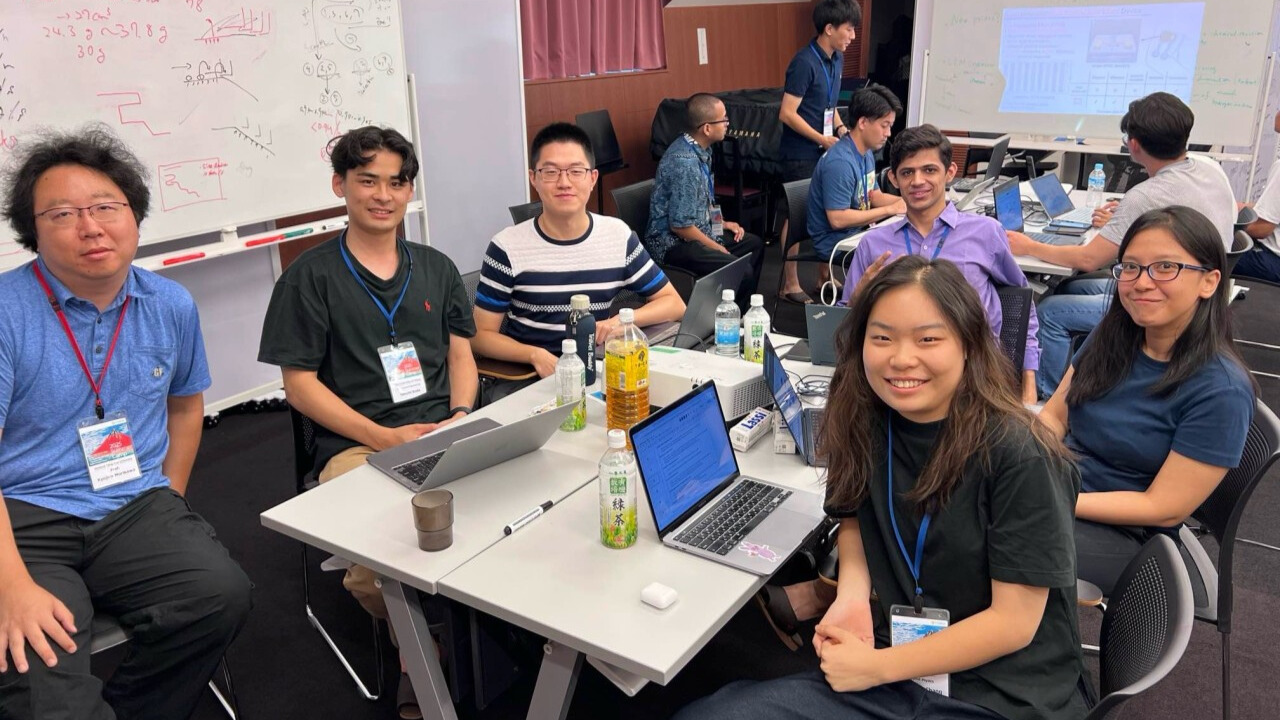 Tapasvi (in purple) and team guided by Professor Morikawa (most left).
By Regine Ng and Karen Chai, NTU MAE Communications