SHAPE x STEM Talk Series: Dr Tobias Rees on the Future of AI for Humanity and the University
In the first session on 25 November 2025 titled ‘AI, experimental philosophy of the human’, Dr Rees chronicled the development of philosophical thought about what it means to be human, and invited us to consider how AI challenges the dichotomy between human, nature and machine. AI – as an entity that was ‘never alive’ – but has its own agency and is capable of inter-action. AI also offers us a new way to experience time, redefining history from finite and finished to redeemable.
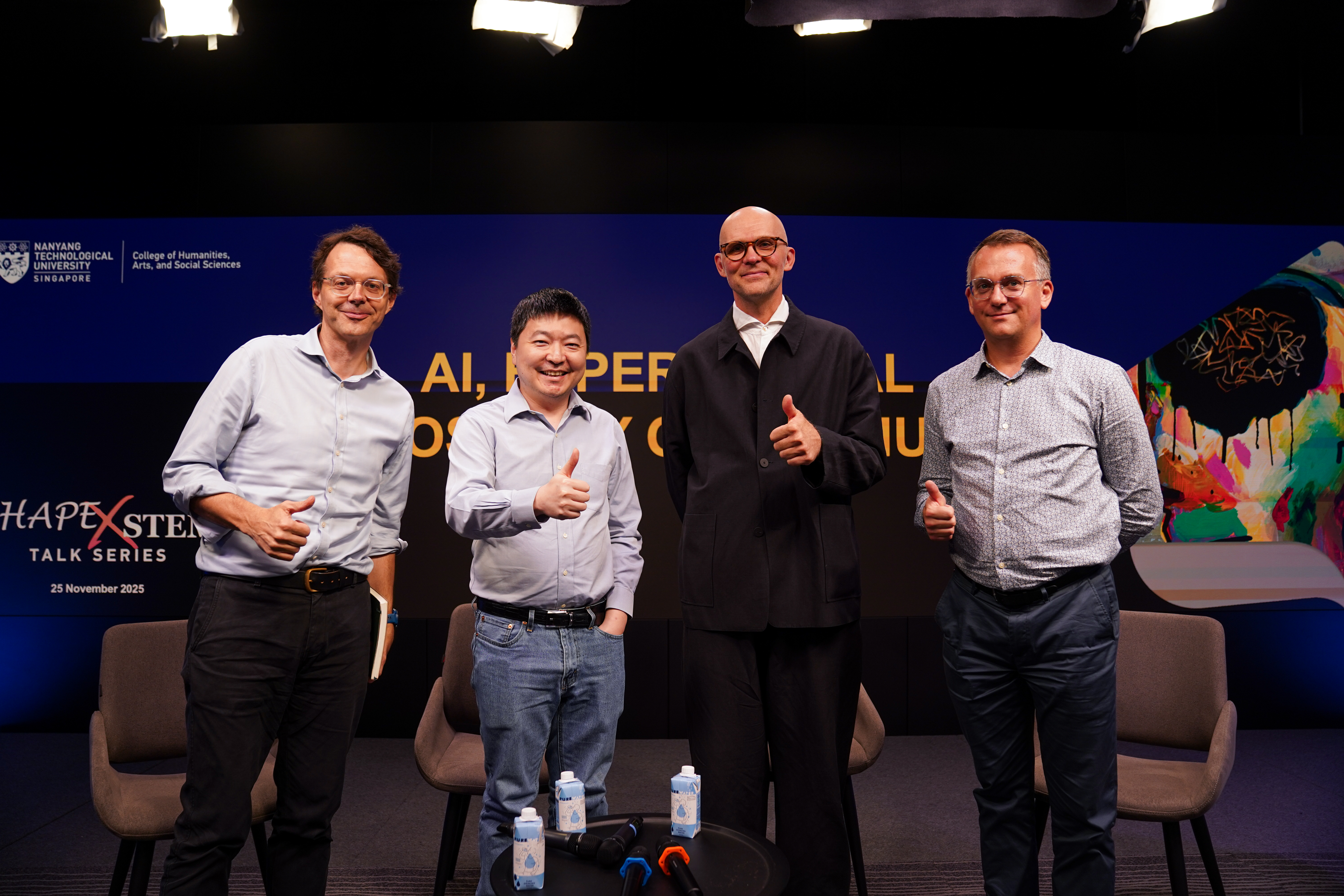
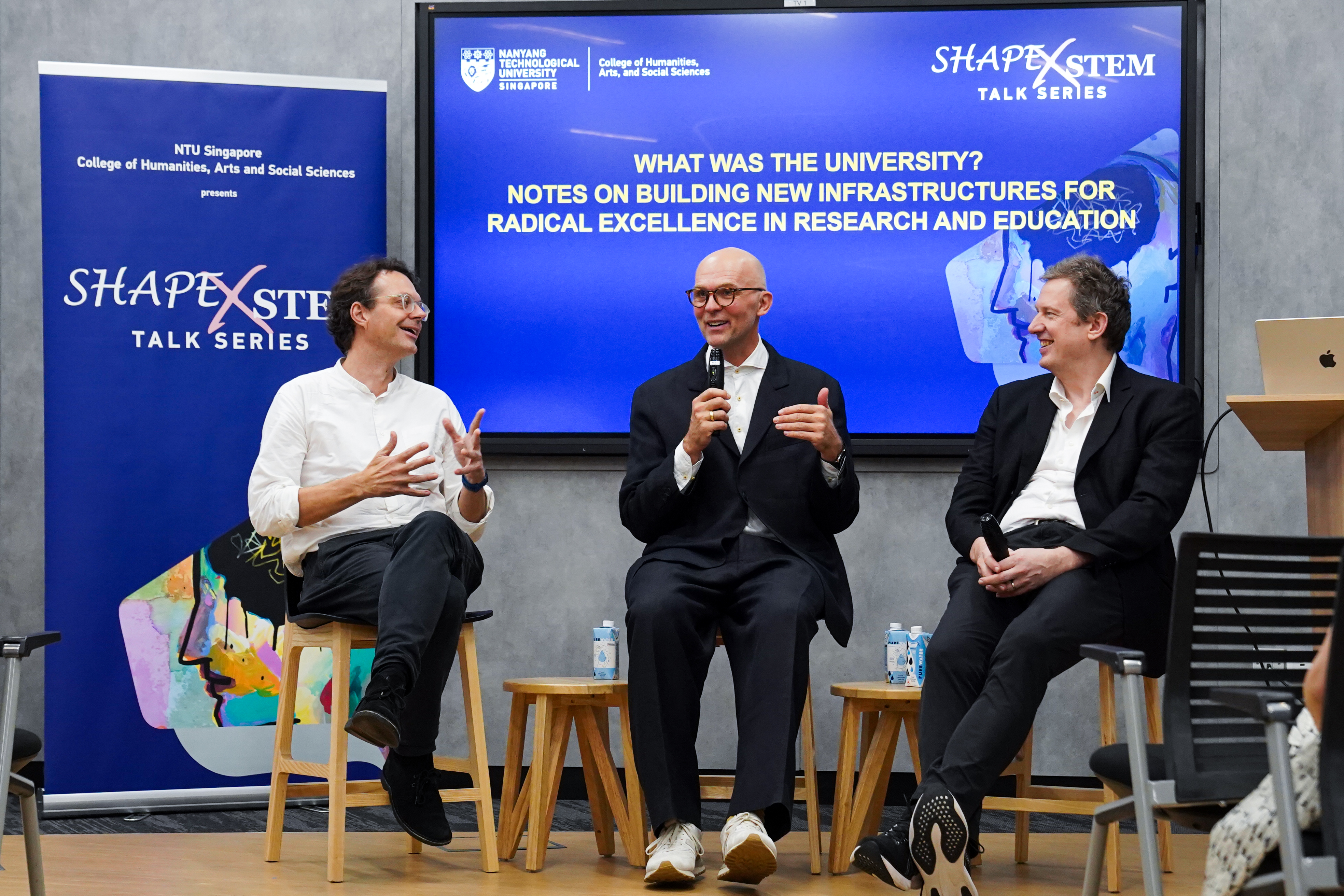
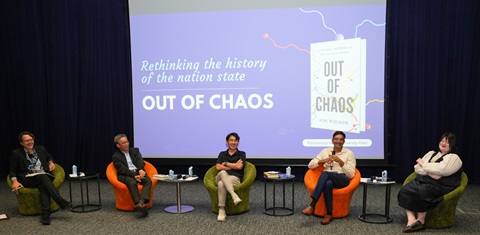
After each session, Prof Jon Wilson led a conversation about AI on both a philosophical and real-world level. With perspectives from Prof Christian Wolfrum, Prof Jacob Stegenga, Assoc Prof Li Boyang and Dr Rees himself, and a lively Q&A session, attendees could truly appreciate the necessity of overlap between Humanities, Arts, Social Sciences and Science disciplines; neither are adequate to understand the world we live in now. Given the immediacy and relevance of new technologies and systems such as AI in our lives and education, discussants took the opportunity to share deep dives from their respective fields while embracing the need for cooperation across disciplines.
/assoc-prof-lin-jingxia_websitebanner.tmb-listing.png?sfvrsn=88a9cef8_1)