Preparing Singapore's IOAI Team: Inside the CCDS Boot Camp
There is a significant difference between studying theoretical artificial intelligence and applying it to solve real-world problems. While standard academic coursework builds essential foundations through structured frameworks and verified examples, practical AI learning and development is inherently open-ended. It requires navigating complex technical literature, evaluating competing methodologies, and troubleshooting models under tight timelines.
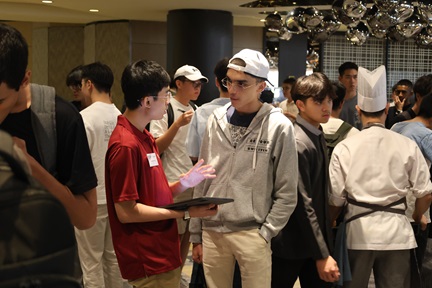
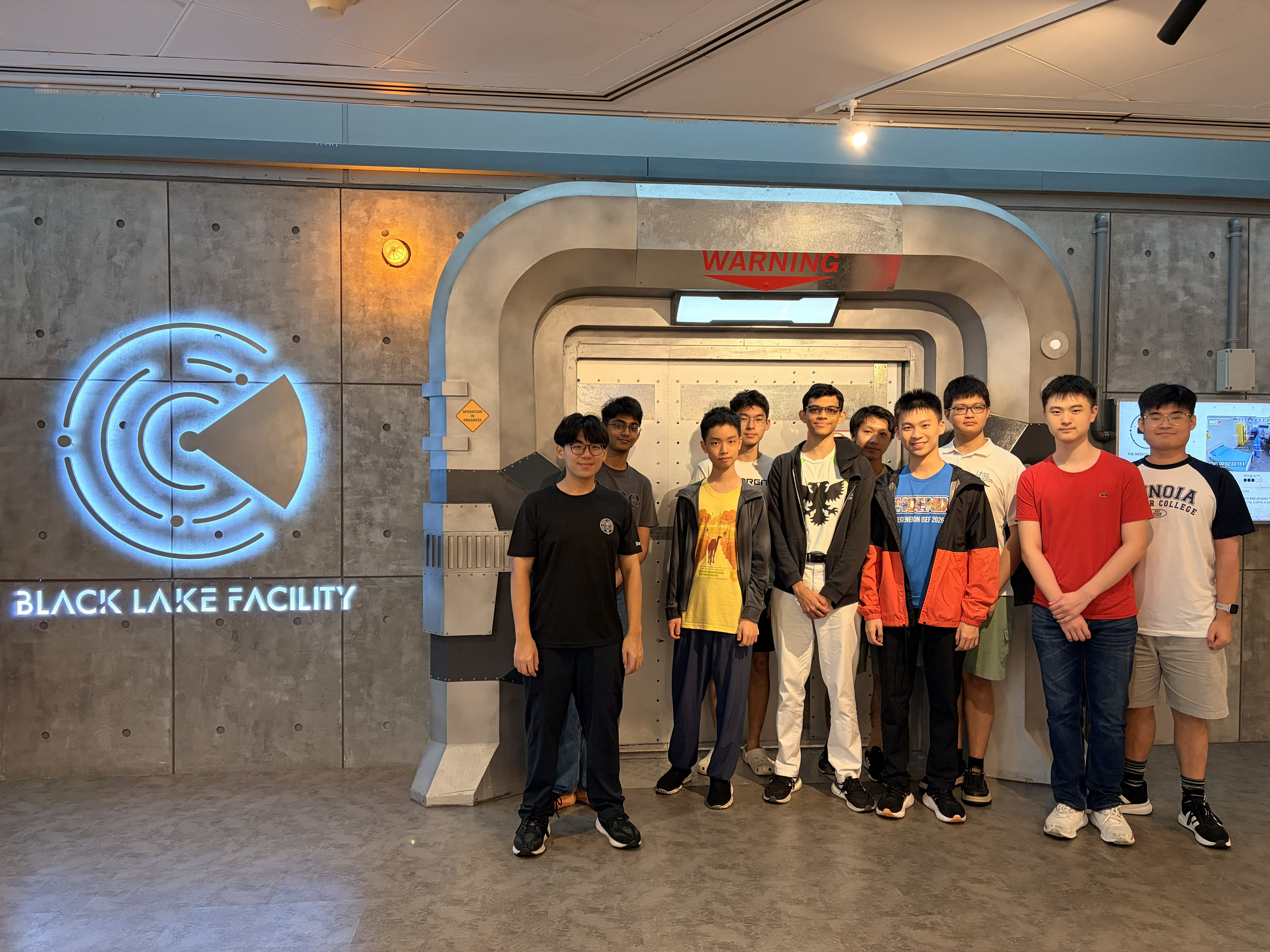
During the intensive, week-long residential boot camp held from 8 to 12 June at NTU’s College of Computing and Data Science (CCDS), 10 students preparing for the International Olympiad in Artificial Intelligence (IOAI) 2026 fully immersed themselves in this applied space, gaining a realistic preview of the modern computing landscape.
The students were chosen from the top 60 performers of the National Olympiad in AI (NOAI) after taking part in a selection test comprising AI challenges and coding tasks.
The pace was demanding. Over five days, students progressed across different AI domains, from computer vision to natural language processing, machine learning and audio processing. Instead of just learning the theory, they spent their time getting hands-on experience and building a practical understanding of how these different technologies work together.
Beyond mastering these advanced topics, the training focused on developing critical skills that are difficult to evaluate through conventional exams: analytical judgment, a tolerance for technical ambiguity, and the practical ability to discern which architecture best suits a specific problem.
Swaagat Bikash Saikia from Raffles Institution, a Bronze NOAI medallist, shared his thoughts on the boot camp, calling it “exciting and extremely fulfilling”. What made it so came down to three things. "Firstly, the community. You have all these other people who love AI," he says. "Secondly, the professors. They're extremely knowledgeable, and they're not afraid to give us the rigour they'd give a university student, which is quite fun for me.” The third factor, he said, was the intensity of spending five days immersed at NTU.
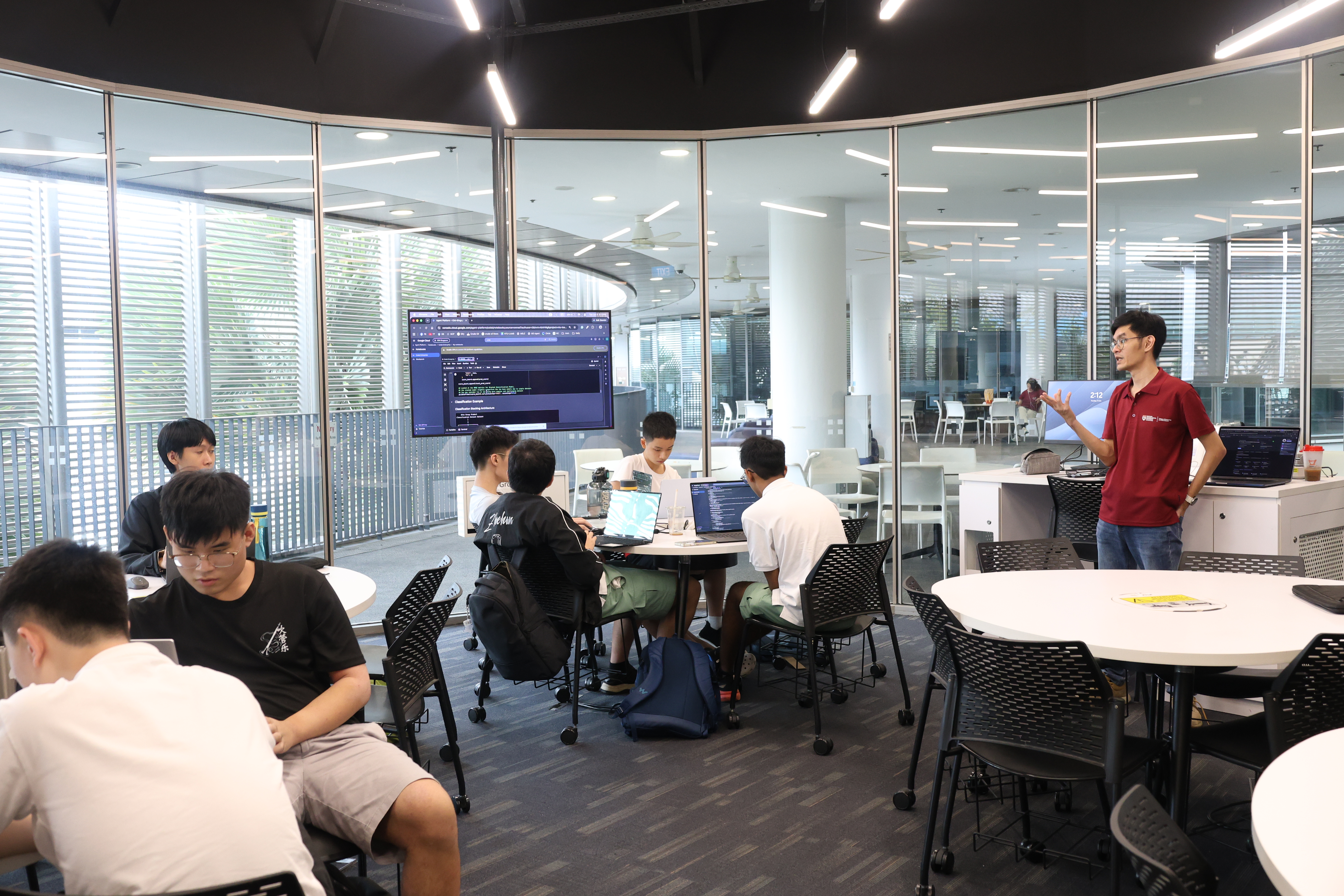
CCDS faculty led sessions across four domains: machine learning, computer vision, natural language processing and audio processing. Intensive training blocks were paired with hands-on practical assessments, giving students opportunities to apply what they have learnt. For Victoria Junior College student Braven Seet Ti Jin, a Silver medallist at NOAI, the standout moment came during the computer vision sessions. "One of the things the professors talked about was a model that can segment anything without supervised learning. These frontier models are really exciting, and I never would have delved into them on my own. Without the lessons, I'd get lost in the code and not really understand it,” he said.
After the boot camp, eight students were selected to form two teams and given three take-home tasks set by the IOAI 2026 organiser. While the tasks do not affect the final results, they allow the students to practise and sharpen their skills ahead of the main event.
The students are: Miao Ruichen (Hwa Chong Institution), Braven Seet Ti Jin (Victoria Junior College), Kishan Balamurugan (NUS High School of Mathematics and Science), Swaagat Bikash Saikia (Raffles Institution), Ernest Tan Jia Teng (NUS High School of Mathematics and Science), Wang Enrun Matthias (Raffles Institution), Austin Liu Zi Rui (Raffles Institution), and Tan Choon Yong (Eunoia Junior College). In August, they will travel to Kazakhstan to represent Singapore.
With rigorous technical training behind them and the experience of working alongside CCDS faculty, the students offer a clear example of what intensive residential programmes can do to deepen engagement with advanced technology fields, and of the role CCDS is playing in building Singapore's AI talent pipeline.