Inside CCDS Connect 2026: Why Computing Fundamentals Matter More Than Ever in the Age of AI
If artificial intelligence can generate code, write essays and solve increasingly complex problems, what does it mean to study computing in 2026?
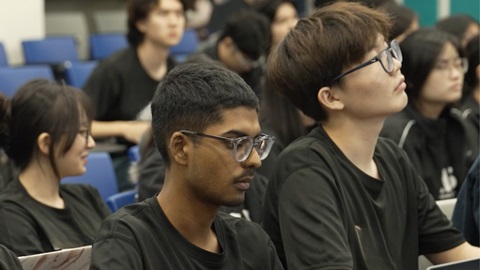
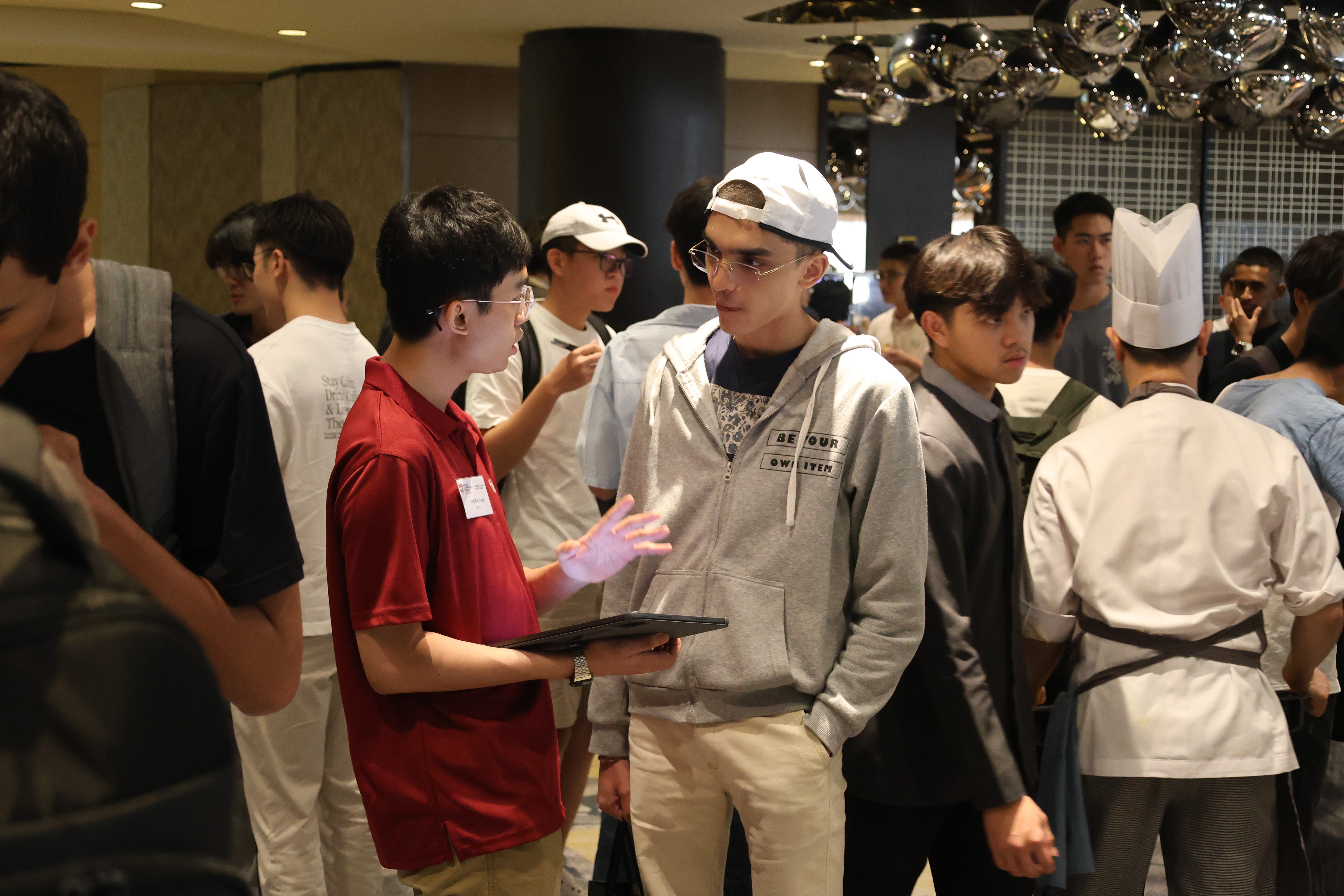
It is a question many prospective students are asking as they weigh their university options. It was also one of the central themes explored at CCDS Connect 2026, where faculty, students and alumni came together to discuss what remains essential in a rapidly changing technological landscape.
Rather than focusing solely on programme information, the conversations throughout the afternoon examined a broader question: what knowledge and skills will remain valuable as AI tools become increasingly capable?
Beyond Using AI to Understanding It
One message emerged consistently throughout the discussions – the rise of AI has not diminished the importance of computing fundamentals. If anything, it has made them even more important.
In his opening address, Dean of CCDS Professor Luke Ong challenged the assumption that increasingly powerful AI systems reduce the need for deep technical understanding. As AI tools become more capable, he argued, the ability to reason through problems, evaluate outputs and understand how systems work becomes even more critical.
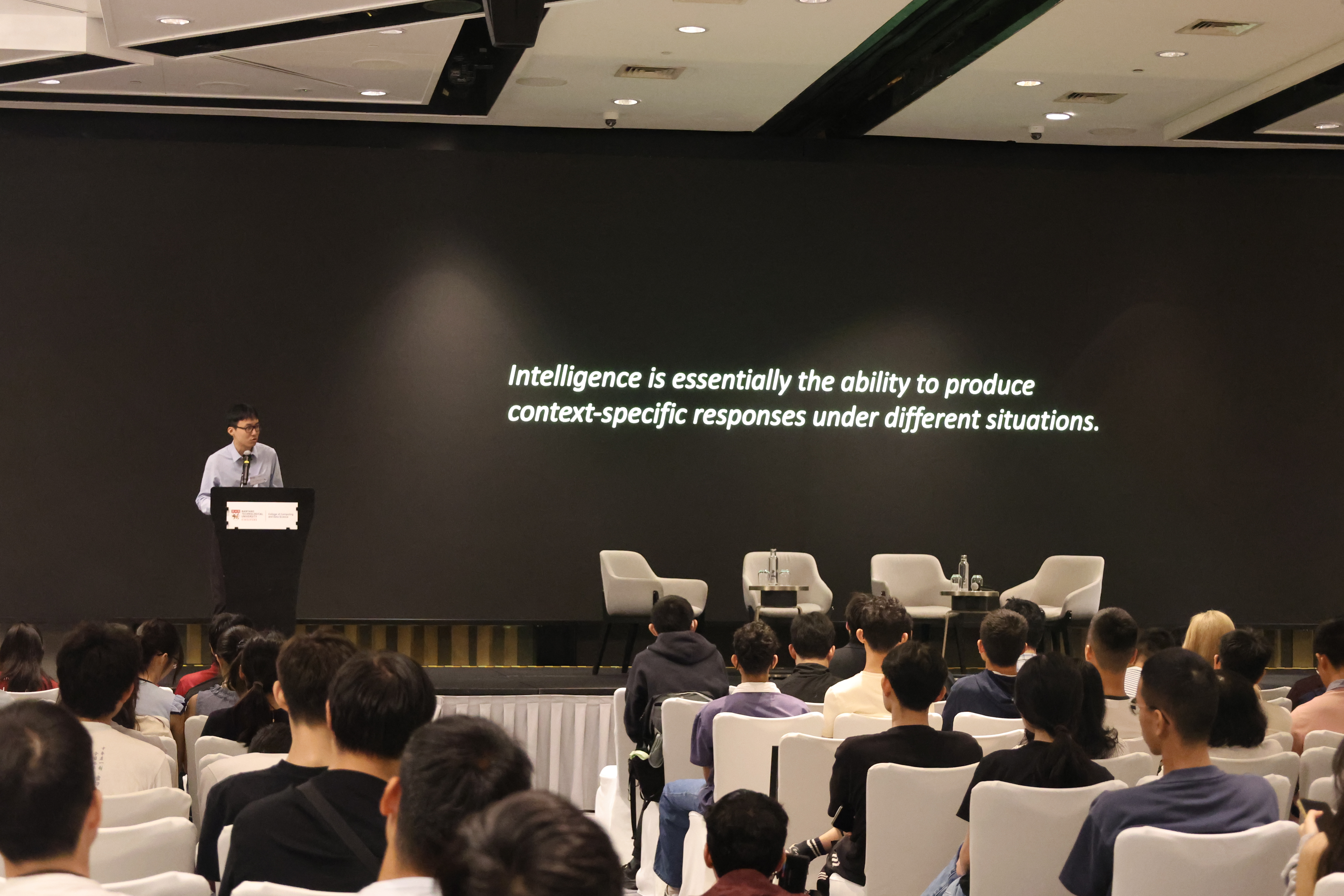
This theme was explored further during the Discovery Lecture, Unpacking Modern AI, by Nanyang Assistant Professor Pan Xingang.
Moving beyond popular perceptions of AI, the session examined how modern AI systems are built and why a deeper understanding of underlying concepts remains important. The discussion shifted the focus away from prompts and applications towards the foundations that make these technologies possible.
For many students, it offered a glimpse into the intellectual challenges that sit behind today's AI tools.
Learning Alongside AI
If understanding AI is one part of the equation, another is learning how to work effectively alongside it.
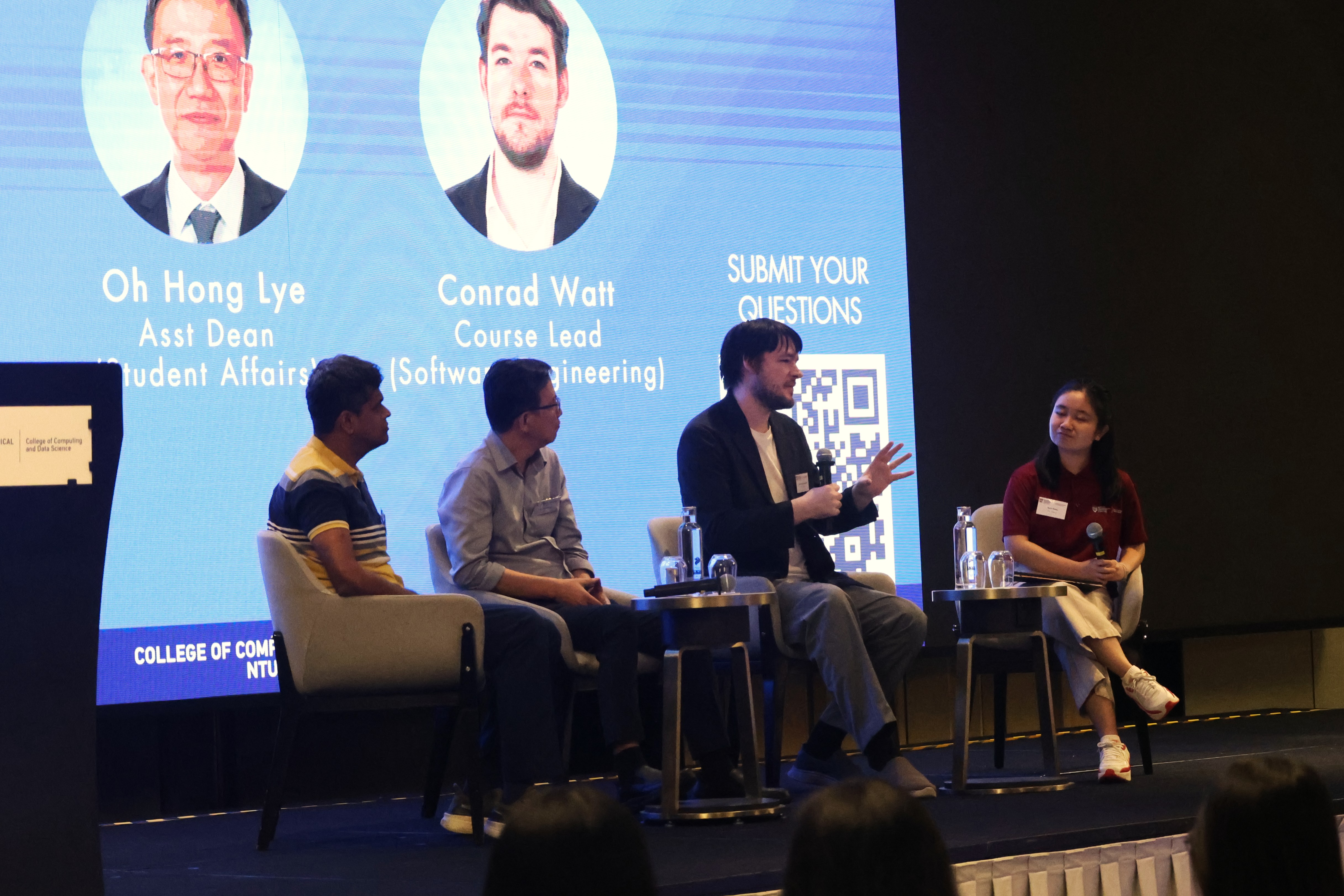
This question took centre stage during Beyond Code: How You'll Learn, where faculty members discussed how computing education is evolving in response to advances in artificial intelligence.
Associate Professor Arvind Easawaran explained how CCDS has incorporated its Learn with AI framework to help students develop higher-order thinking skills beyond simply generating answers.
"The Learn with AI framework enables you to acquire higher order skills, like understanding AI outputs, interpreting their efficiency, and interpreting their logical correctness. These skills are quite fundamental to jobs in the industry today," he said.
The discussion reinforced an important point: success in an AI-enabled future will depend not only on knowing how to use AI tools, but also on understanding when they are right, when they are wrong and how to work effectively alongside them.
Assistant Professor Conrad Watt illustrated this through the lens of software engineering.
"The point isn't to get the AI generate something and then paste its answer over your own, but to actually engage in a little bit of a dialog," he said.Rather than treating AI as a replacement for human thinking, he encouraged students to view it as a collaborator – one that can accelerate work but cannot replace judgement, reasoning and responsibility.
Rather than treating AI as a replacement for human thinking, he encouraged students to view it as a collaborator – one that can accelerate work but cannot replace judgement, reasoning and responsibility.
A Foundation for Many Paths
Beyond discussions about AI, alumni experiences highlighted another enduring strength of a computing education: adaptability.
Graduates working across cybersecurity, cloud technologies and research shared how the foundations they developed at CCDS enabled them to navigate changing technologies, industries and career opportunities.
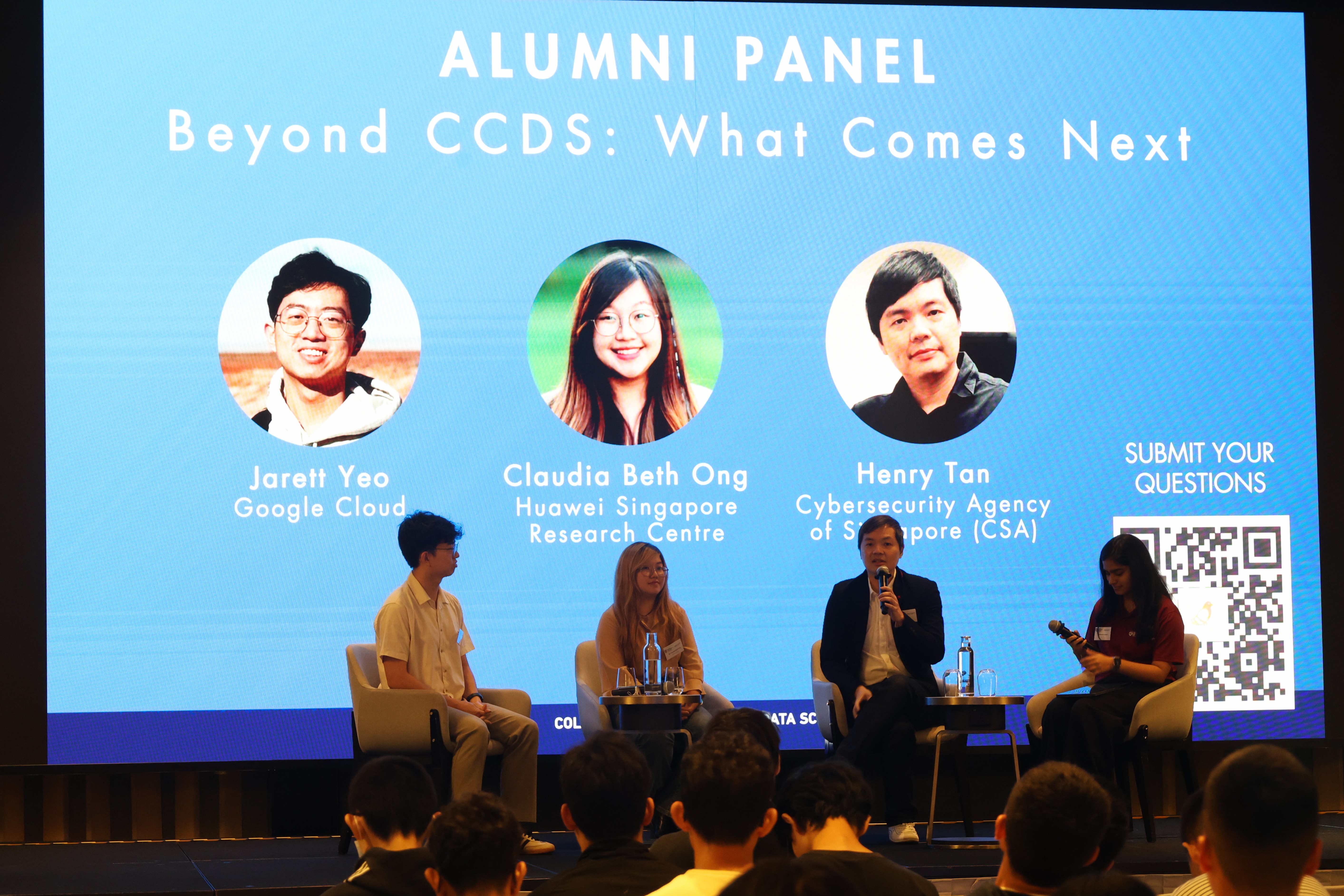
While their professional journeys have taken different directions, a common thread emerged. Strong technical foundations, coupled with the ability to learn continuously, have enabled them to adapt to new challenges and remain relevant in an evolving digital landscape.
Their experiences reinforced a recurring theme of the day – that a computing education is not simply about mastering today's tools, but about developing the ability to keep learning long after graduation.
Learning Through Building
Student projects offered practical examples of how these ideas are applied beyond the classroom.
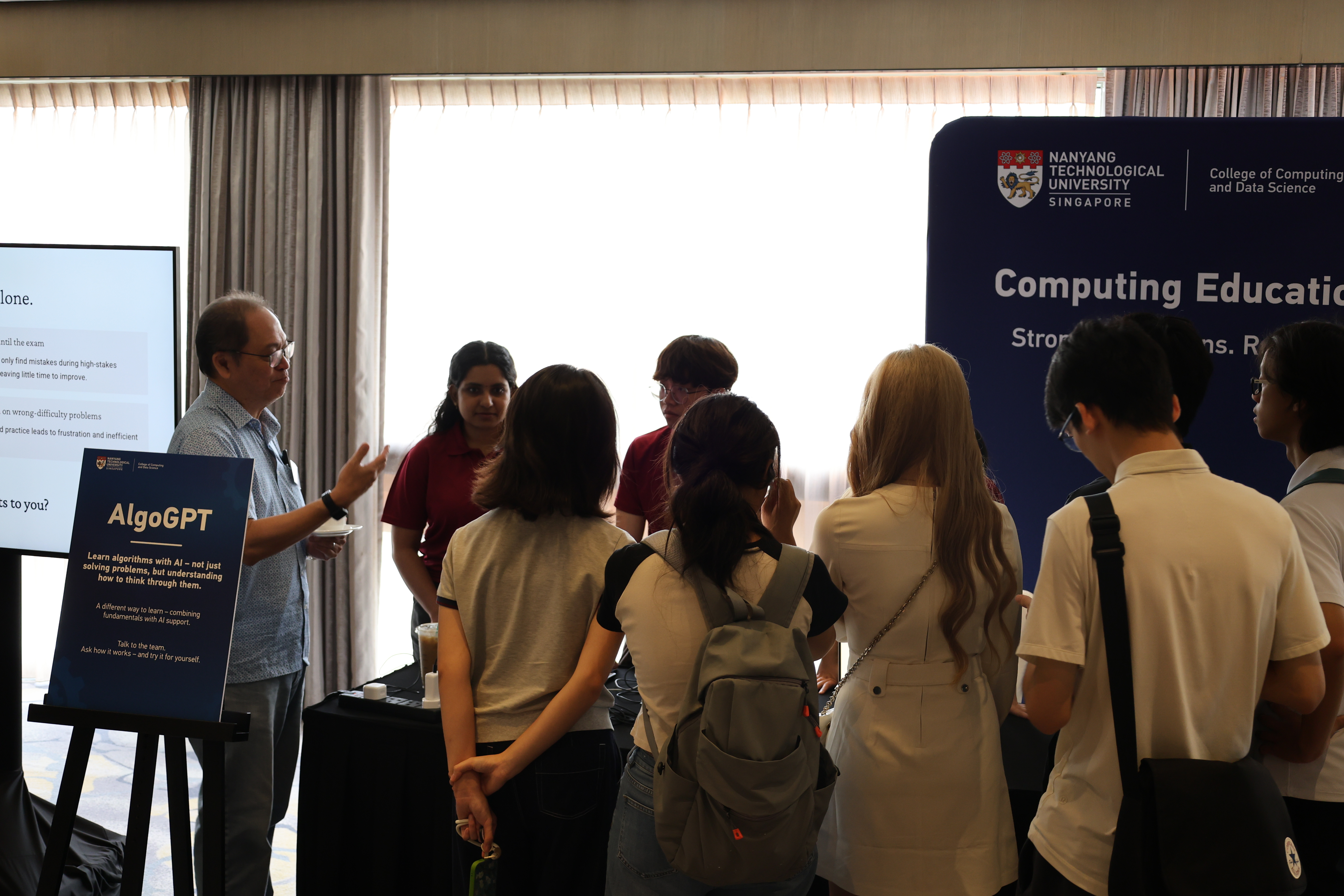
One example was AlgoGPT, a platform developed by students to support the learning of algorithms through guided exploration and problem-solving. Rather than providing instant answers, the platform encourages learners to work through concepts and develop deeper understanding with AI as a learning companion.
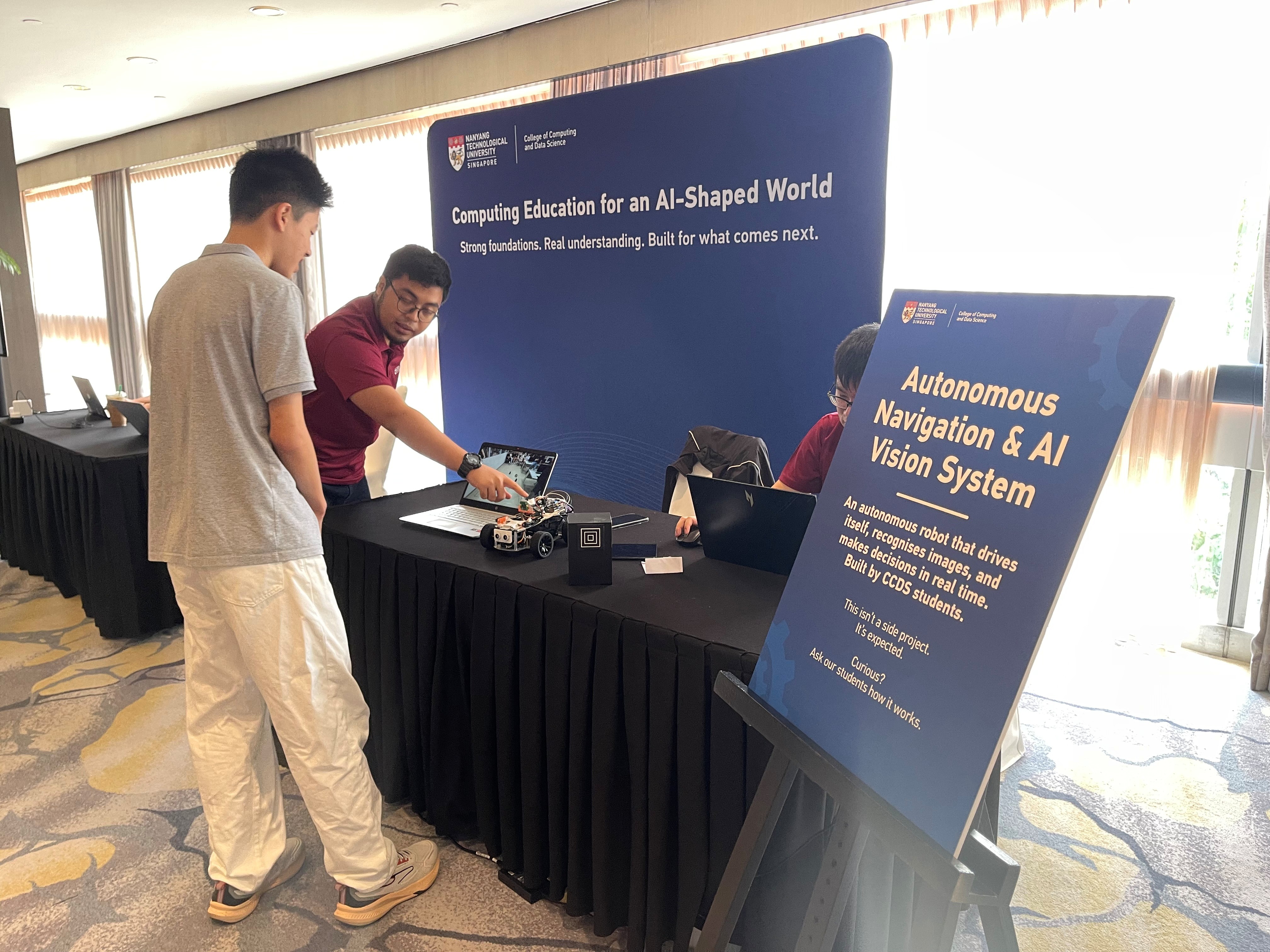
Other projects demonstrated how computing concepts come together in real-world applications. Autonomous systems integrating navigation, image recognition and real-time decision-making showcased both technical achievement and the iterative process behind innovation.
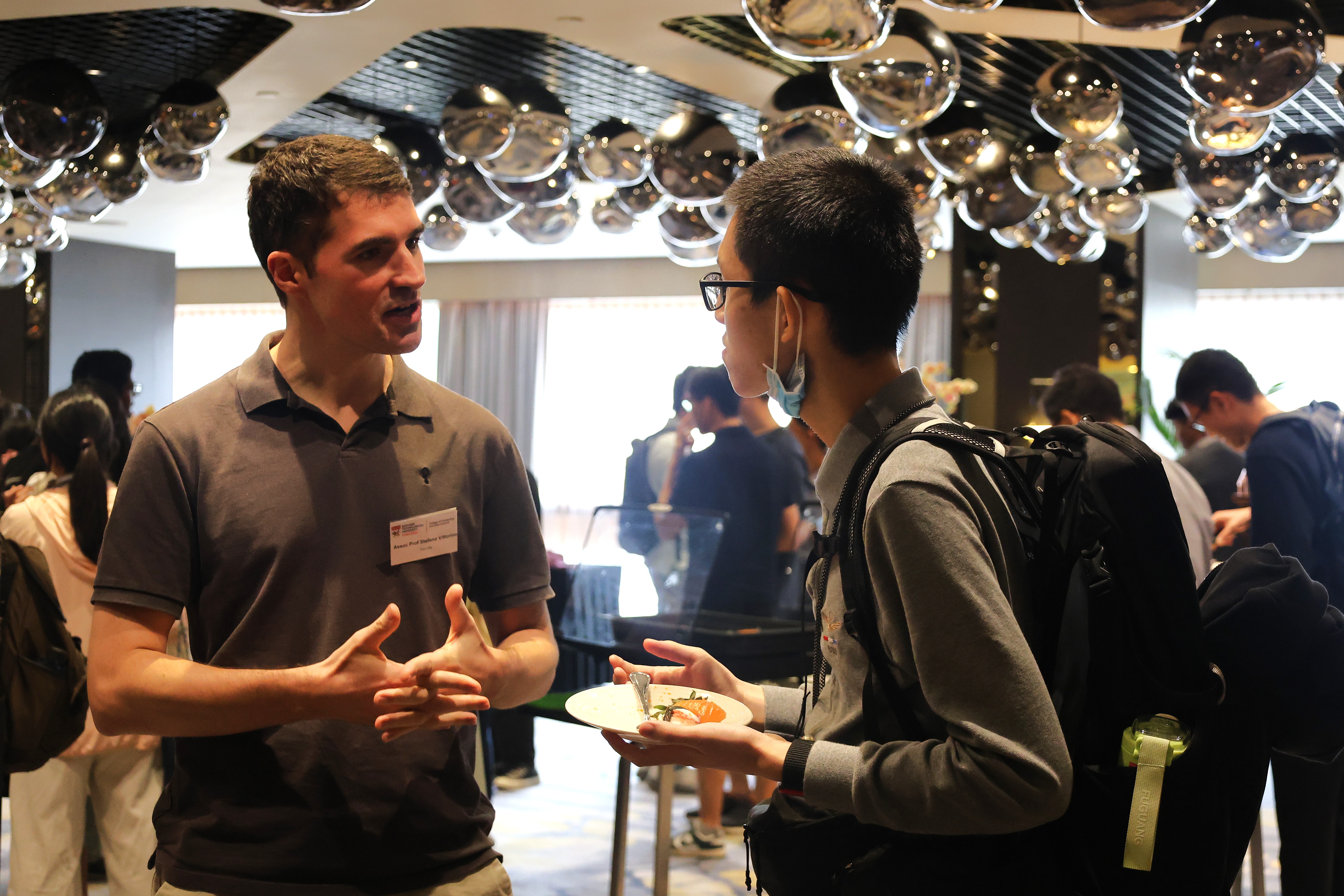
Equally valuable were the stories behind these projects. Students spoke candidly about technical setbacks, design trade-offs and the persistence required to bring ambitious ideas to life. Their experiences offered a glimpse into how learning at CCDS extends beyond lectures and assignments to include experimentation, collaboration and problem-solving.
More Than a Programme Choice
Choosing a university is ultimately about more than selecting a degree programme.
It is also about finding a community, a learning environment and a set of values that will shape the years ahead.
Collectively, the perspectives shared by faculty, students and alumni painted a picture of a computing education that extends beyond technical knowledge alone. Strong foundations, intellectual curiosity, adaptability and the ability to learn continuously emerged as recurring themes throughout the discussions.
In an AI-shaped world, technology will continue to evolve. The ability to think critically, solve problems and understand the systems behind the tools, however, remains as important as ever.
Those are precisely the qualities CCDS aims to develop.