Driving Financial Inclusion through Tech and Policy: NTU Students Shine at APRU x Google Hackathon
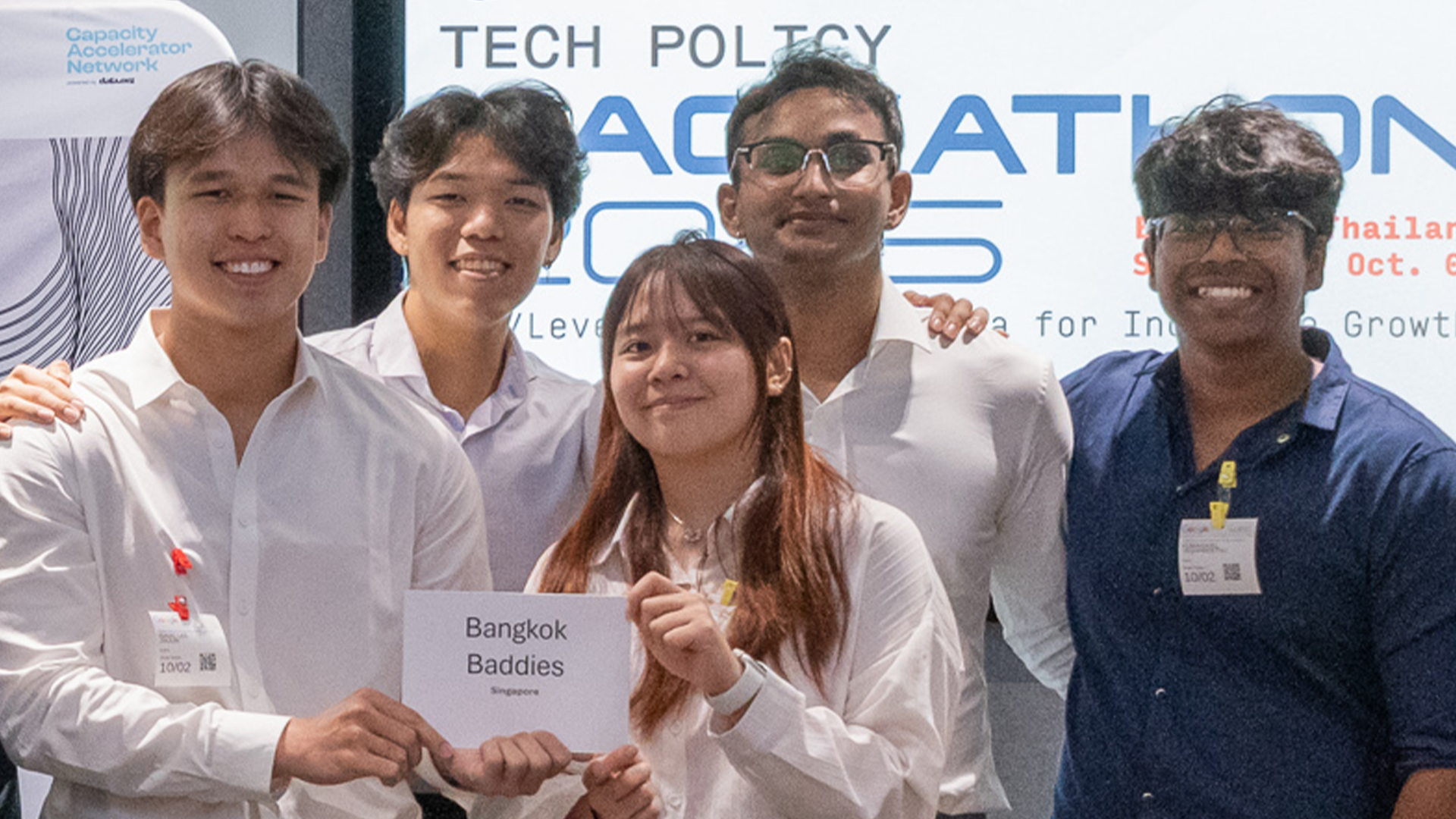
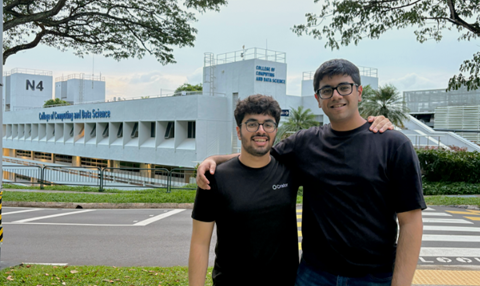
At an international stage where technology meets policy, three CCDS students stood out for their ingenuity and purpose. Sanjeyan Chrysharnthan, Kumaravel Yash Preethu, and Ong Xin Chun joined forces with Nanyang Business School students Loo Yi Cong and Isaac Lee Jiajun to form Team Bangkok Baddies. The team earned an Honourable Mention at the APRU x Google Tech Policy Hackathon 2025 with their innovative proposal to improve financial inclusion for underbanked fishing communities in the Philippines.
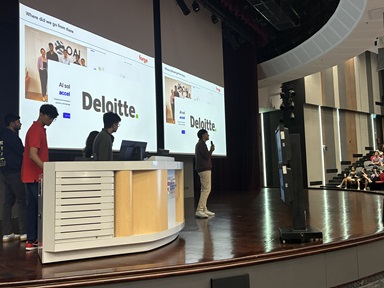
Held from 30 September to 2 October 2025, this year’s hackathon gathered 299 students from 40 universities across 15 economies. Mentored by experts from Google, NEC Corporation, the United Nations Economic and Social Commission for Asia and the Pacific (UN ESCAP), the National University of Singapore (NUS), Arizona State University (ASU) and Yonsei University, participants were challenged to develop policy-driven technology solutions to some of Asia’s most pressing digital issues, including digital trust, SME support, financial inclusion and disaster resilience.
Across the competition, NTU students performed strongly. Team SIGAP UMKM, which included one NTU student, captured First Place, while Team 40by40, made up entirely of NTU students, clinched Second Place. Among the 12 finalist teams, Bangkok Baddies stood out with their Honourable Mention, adding to NTU’s collective success and highlighting the university’s interdisciplinary collaboration across computing, business and social policy.
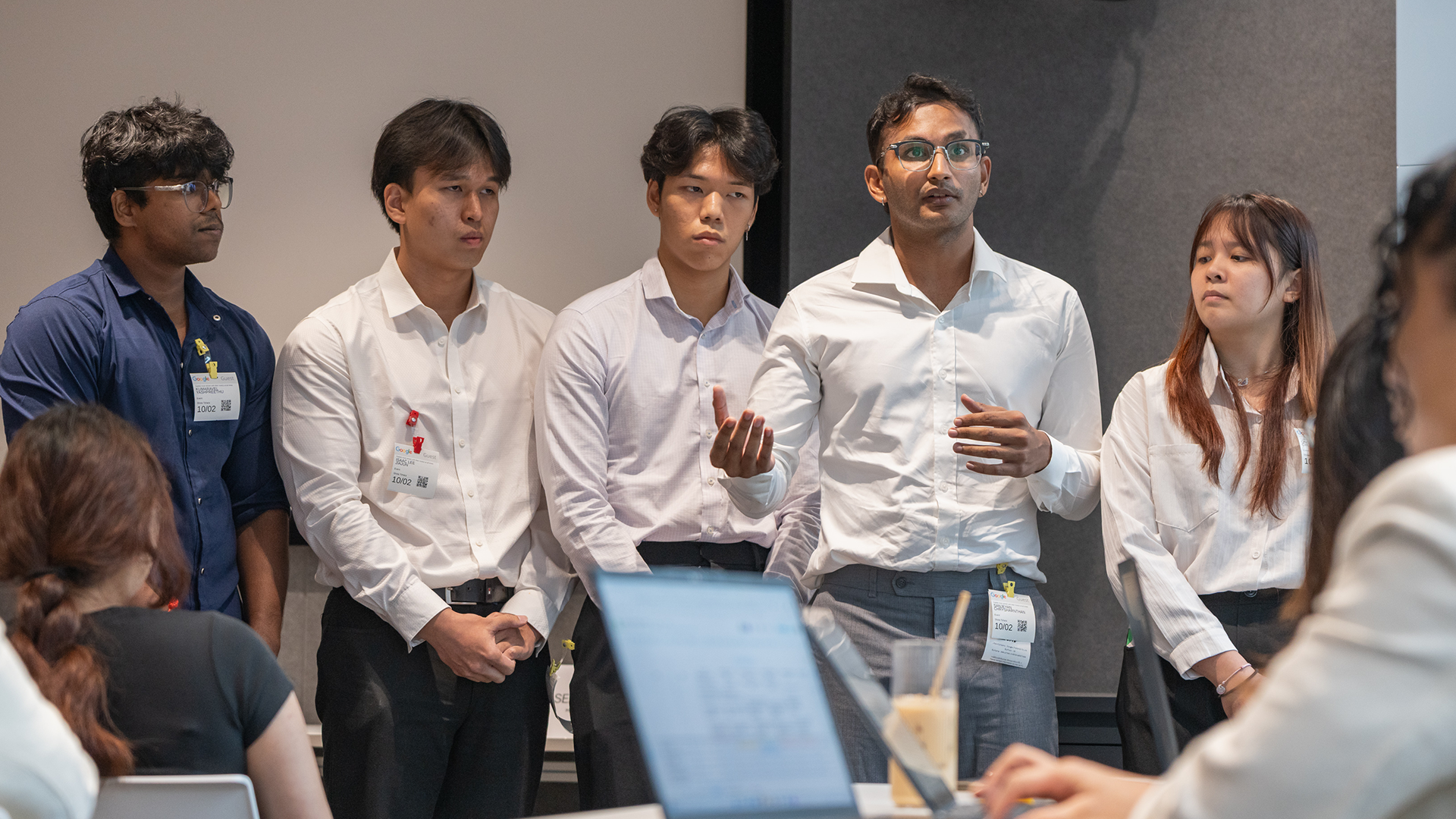
Led by Sanjeyan, Team Bangkok Baddies focused on helping Filipino fisherfolk in Oriental Mindoro who face two major challenges: limited access to banking services and unfair market practices from middlemen.
To address these issues, the team proposed a micro-futures smart contract marketplace. The platform enables fishermen to sell their catches directly to buyers through a decentralised system, removing intermediaries and allowing them to earn fairer prices for their work.
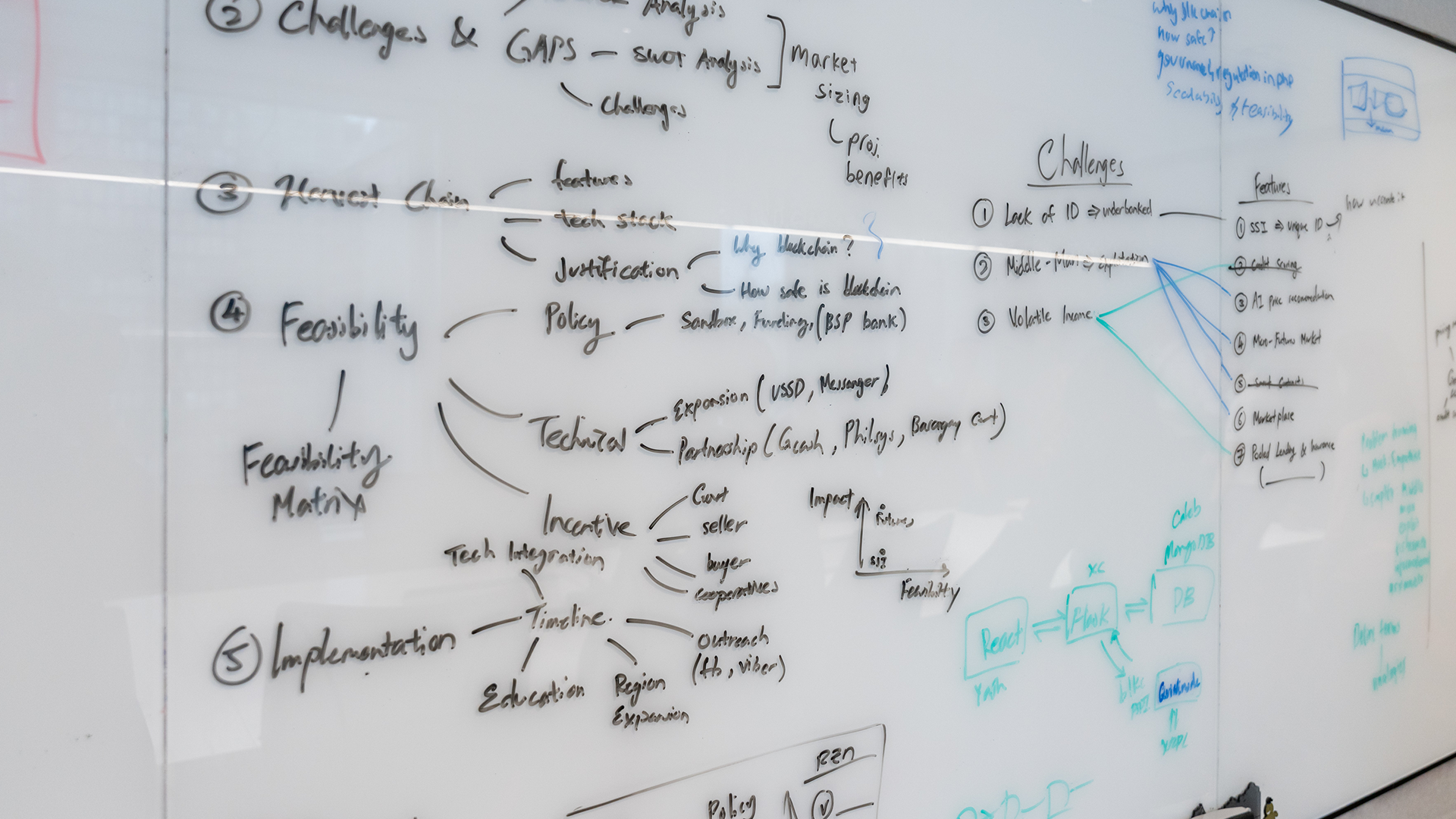
Beyond building the technical prototype, the team also examined the policy gaps that have prevented such digital finance solutions from reaching underbanked communities. Their recommendations aimed to strengthen existing frameworks and promote more inclusive participation in the maritime economy.
“Our solution combined a technical and policy perspective,” said Sanjeyan. “We believed a decentralised approach would empower these fishermen, while analysing existing policy gaps helped us understand how regulation could better support their livelihoods.”
The team’s multidisciplinary mix of Computer Engineering and Business students proved crucial in translating vision into execution. Yash Preethu and Ong Xin Chun led the technical development of the prototype, while Loo Yi Cong and Isaac Lee Jiajun refined the financial and economic structure that made the model sustainable. “Having both perspectives allowed us to evaluate whether our solution was financially viable and technically sound,” said Yash Preethu. “It reminded us that technology alone is not enough. It has to work hand in hand with policy and market realities.”
The experience was further strengthened by mentorship from Dr Ernie Teo of Nanyang Business School, whose guidance helped the team refine their implementation plan. “Dr Teo encouraged us to consider how policy could enable the technology, not just follow it,” said Ong Xin Chun. “That insight helped us strengthen our presentation and make our idea more impactful.”
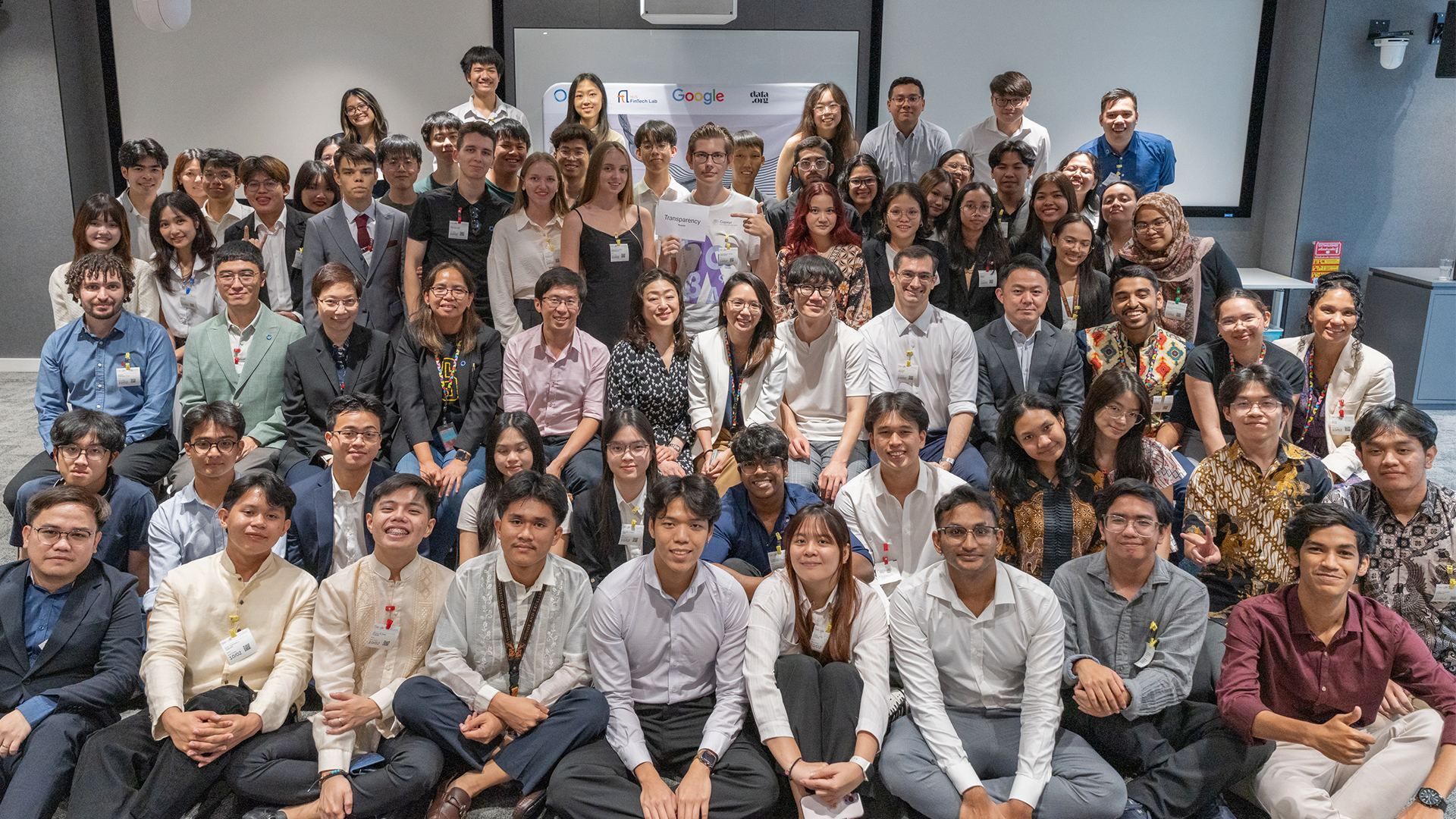
For the team, the most valuable part of the experience went beyond the recognition itself. “Meeting like-minded peers from across Asia was inspiring,” added Ong. “Each team approached the same challenge differently, and the exchange of ideas showed us how diverse perspectives drive innovation.”
Representing NTU and CCDS on a global stage was a meaningful milestone for all five members. “It was a chance to put what we have learnt into practice,” said Sanjeyan. “We wanted to show that computing and data science can address social challenges when guided by sound policy and empathy for the communities affected.”
Looking ahead, the team hopes to build on this experience by joining future hackathons and exploring projects that bridge technology, policy and sustainability. “We have learned the importance of understanding a problem deeply before jumping to a solution,” said Yash Preethu. “That approach will guide how we work, whether in research, innovation or our future careers.”