How compatible is the India Stack in Africa?
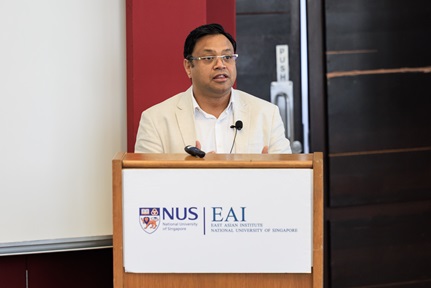
Centre Director Amit Jain talks to experts at the ORF Middle East
The Digital Public Infrastructure (DPI) of India – popularly known as the ‘India Stack’ has transformed the lives of millions of its citizens. Best exemplified by the unique 12-digit Aadhar ID and the Unified Payment Interface (UPI) the DPI that India has created has transformed the lives of millions of its citizens. Thanks to this single minded public digitalisation drive the Indian government managed to deliver US$ 85bn worth of welfare benefit in direct cash transfers and plug up to US$10 billion in ‘leakage’ (euphemism for corruption). With over 1.40 billion Aadhaar IDs issued so far and 21.6 billion individual financial transactions taking place in Dec 2025 alone the Indian DPI model is beingly widely presented as a model worth emulating across Africa. With two rival superpowers dominating much of the AI value chain, and the global digital architecture increasingly bifurcating along geopolitical lines there has emerged a need for new partnership among members of the Global South. The India stack has provided New Delhi a new diplomatic lever to exercise its foreign policy in a way that not only promotes its national interests as well as cooperation with Africa.
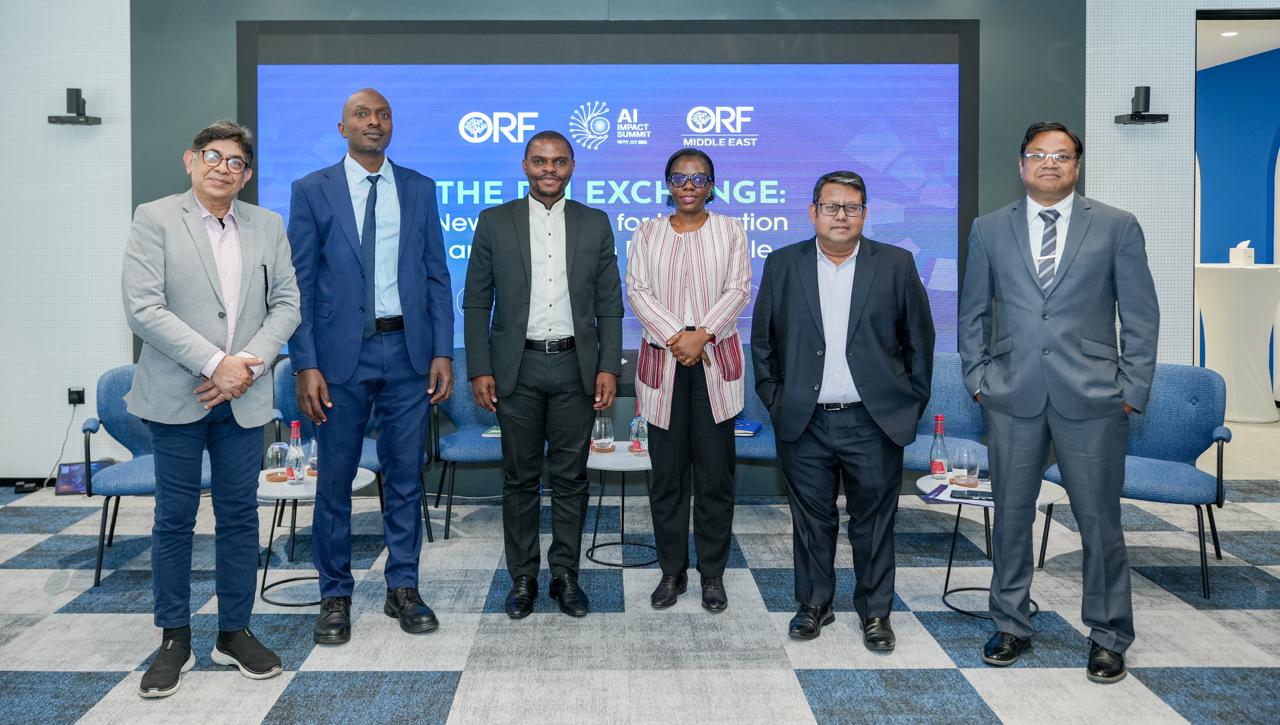
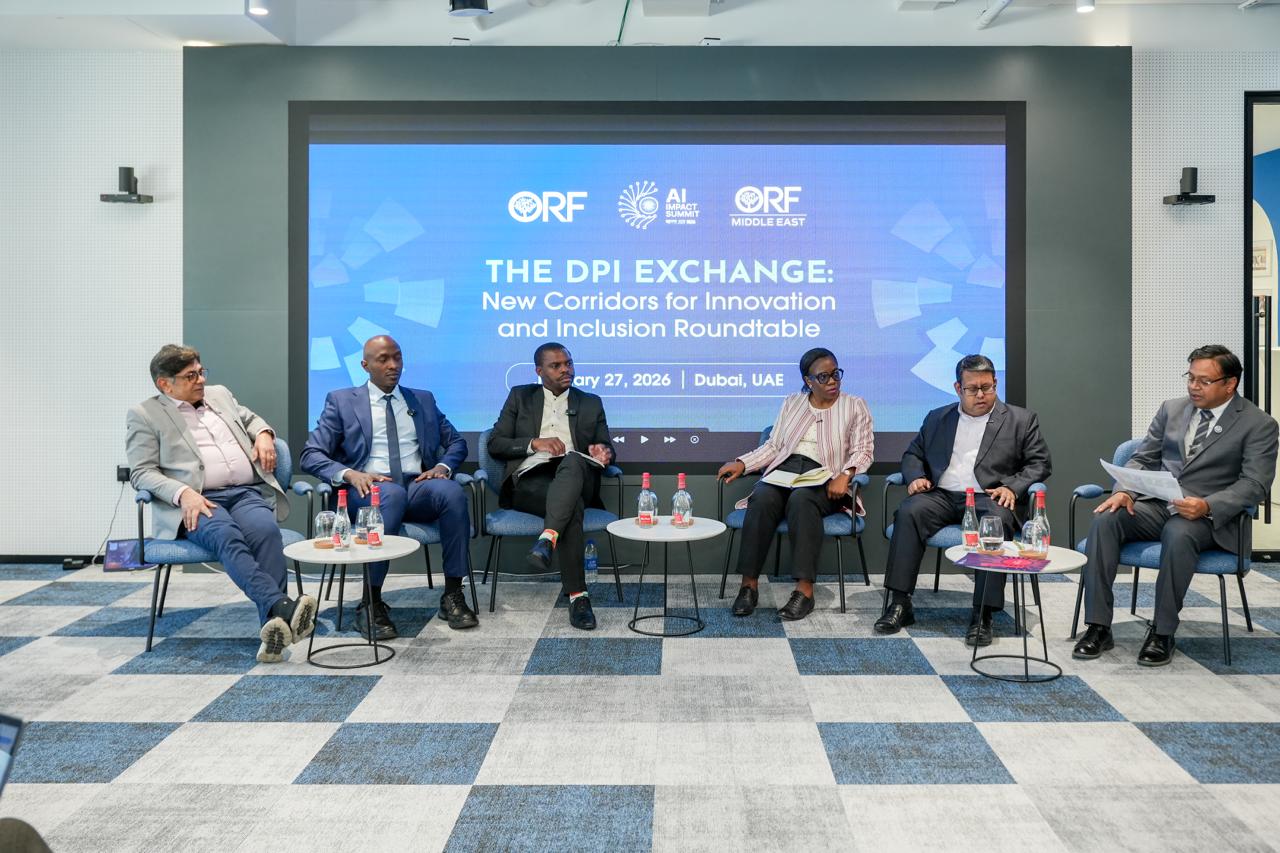
The Director of the NTU-SBF Centre for African Studies Amit Jain was invited this month by the Observer Research Foundation to a conduct a half day panel discussion in Dubai on the convergence of Artificial Intelligence (AI) and Digital Public Infrastructure (DPI) and its impact on Africa as many countries start to establish their own DPI inspired by the India Stack model. That DPI model refers to a set of digital building blocks in the form of platforms, applications, and systems, predominantly functioning on safe but open interoperable standards or specifications. India has treated its digital public infrastructure as a public good and this kept it open and interoperable. This has resulted in widespread financial inclusion, empowered users and given them control over their data. The panellists (list below) discussed its merits and demerits in a closed but candid dialogue session. View the full panel discussion here.
| Thampy Koshy | Founding MD Open Network for Digital Commerce (ONDC) India |
| Ernest Mwebaze | Exec Director Sunbird AI Uganda |
| Lukhona Mnguni | Acting Exec Director Rivonia Circle South Africa |
| Ify Ogo | Regional Prog Specalist (AfCFTA) UNDP Geneva |
| Anirban Sarma | Director Digital Societies Initiative ORF India |
| Amit Jain | Director NTU-SBF Centre for African Studies |