Africa China Linkages
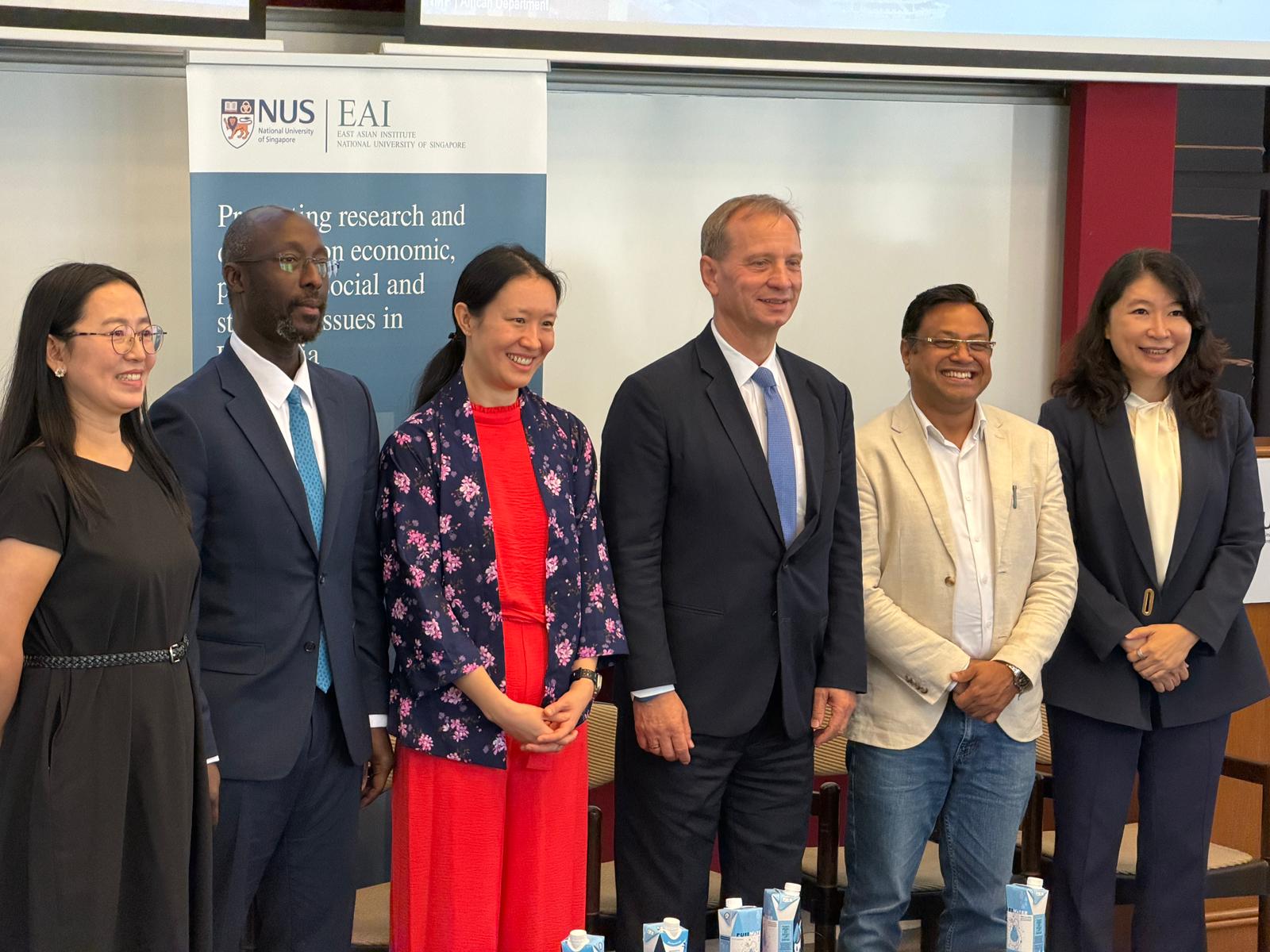
Centre Director Amit Jain shares his thoughts at the IMF-EAI Africa-China Seminar and Book Forum
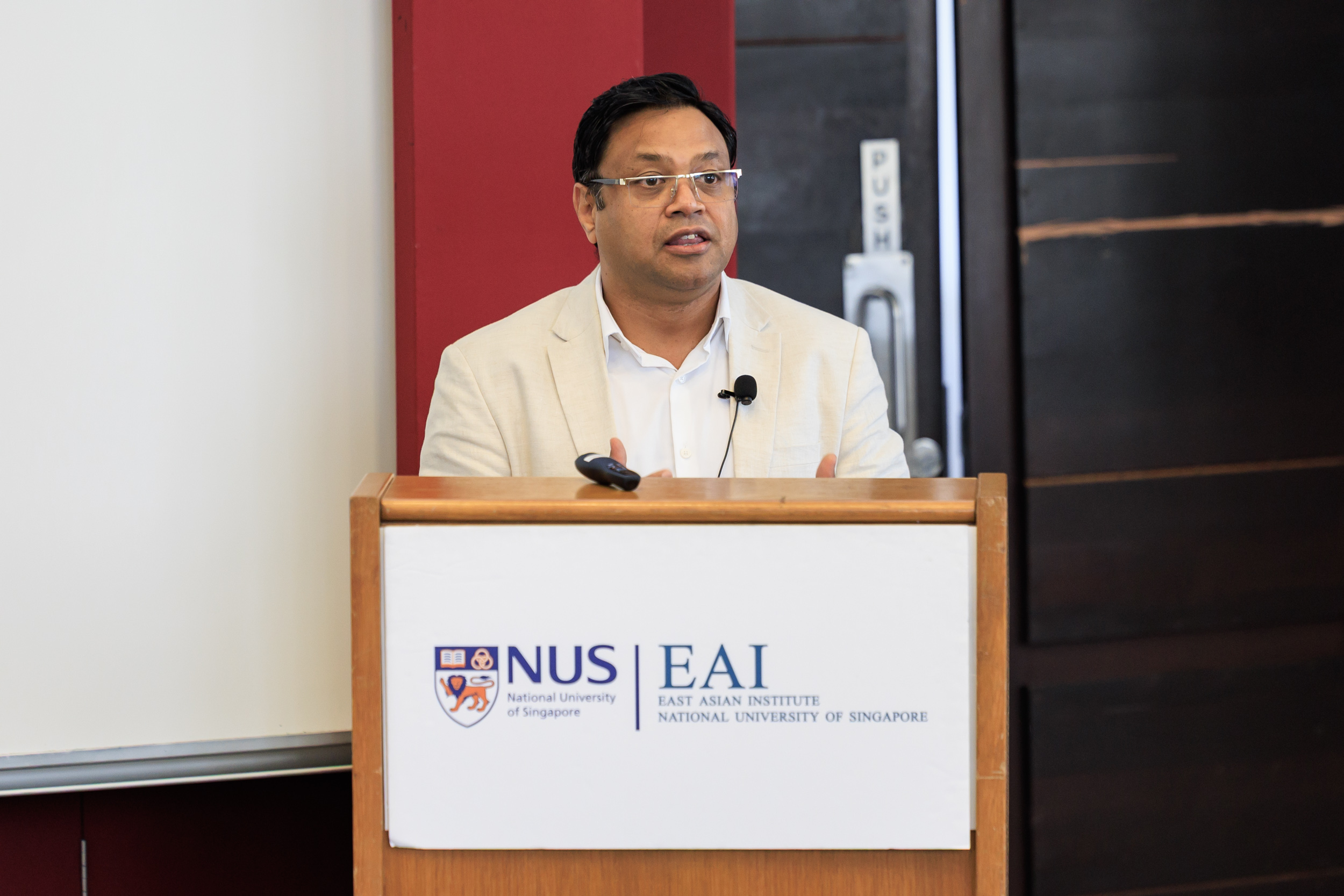
Chinese investments in the African extractive industry does not change the structural deficiency of the African economy. This is what the Director of the NTU-SBF Centre for African Studies Amit Jain told audience at a joint seminar organised by the International Monetary Fund (IMF) East Asia Institute (EAI) in Singapore.
China has emerged as Africa’s single largest trading partner. Trade between China and Africa surged to a record US$348.05bn in 2025. Drawing on the research published by the two organisations in the book Africa-China Linkages: Building Deeper and Broader Connections, Amit said that even as Chinese investments in the African extractive industry connected resource rich African countries to the global supply chain and provided a steady stream of revenue it had also made them excessively dependent on external actors. “It does little to change the structural deficiency of an economy that is still mostly reliant on what lies underneath its soil rather than what lives above it.”
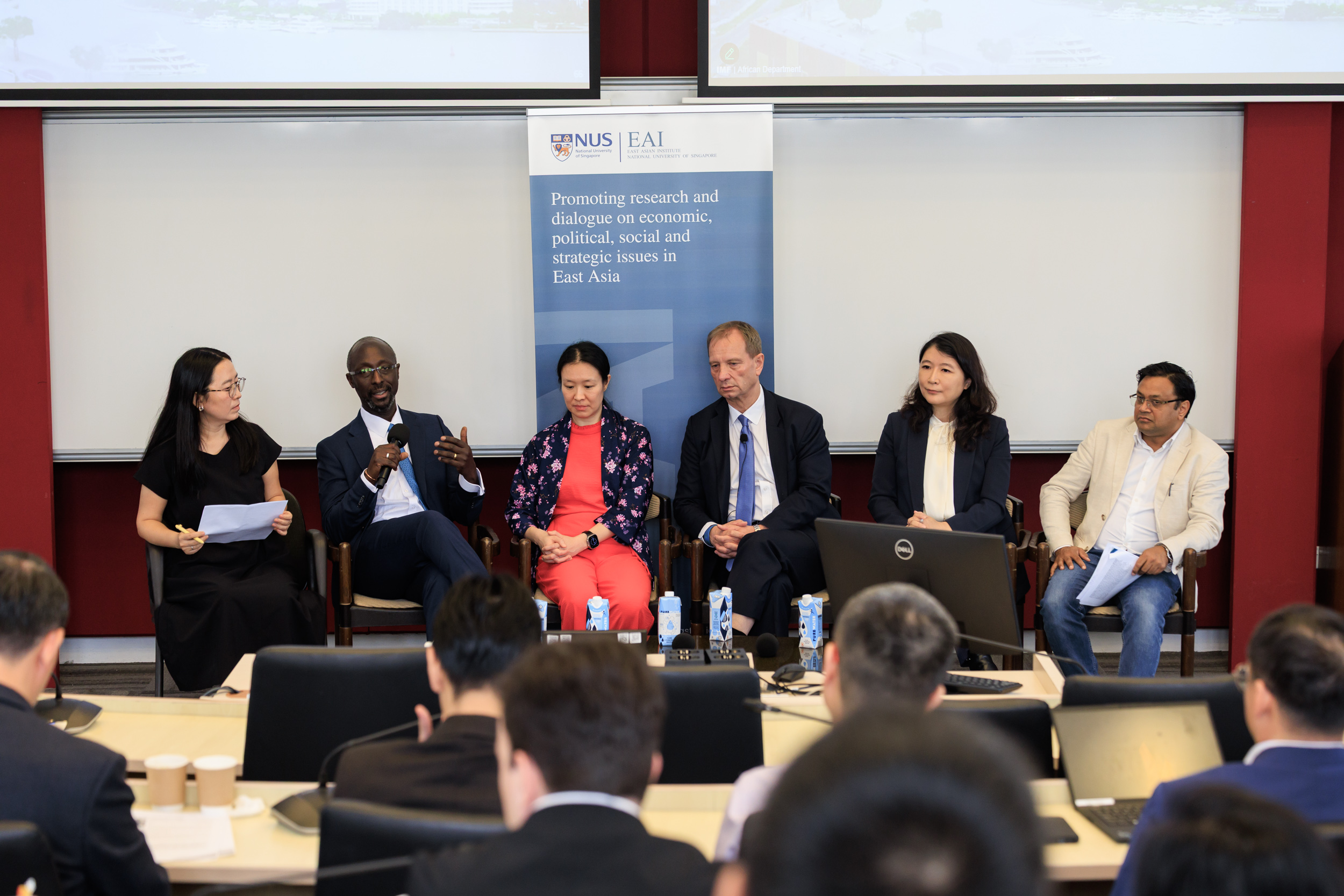
He told the audience that the slowdown of the Chinese economy is likely to “tamp down” demand for African minerals and thus shrink the already narrow fiscal space available for development spending pushing them further into debt and China’s excess manufacturing capacity will make it “even harder” for African countries to industrialise.
 While acknowledging the “green shoots of critical minerals processing” emerging in some parts of Africa, Amit said that these were isolated small success stories and not something that likely to “move the needle”. Given the sheer advantage of scale that China has in processing critical minerals, he asked members of the panel, “is there still room left for mineral processing to be commercially viable in places such as Guinea and Zambia?”When asked what China has contributed to Africa, Amit said that by engaging economically with Africa China had broken their dependence on former colonial rulers, significantly improved the infrastructure, provided finance for development, connected Africa to its supply chain, built human capital through technical training and scholarships, made technology affordable and helped millions get access to electricity. “Had it not been for China bringing down the costs of mobile handsets Africa may not have witnessed the digital revolution that they are seeing today,” he told the audience.
When asked what China has missed in Africa, he said that human engagement is one area where China still needs to work on. “Too many Chinese expats live in gated communities, cut off from the local population. This has led to frequent cultural mishaps.”
The keynote address was delivered by the Chinese Ambassador to Singapore Cao Zhongming. Academic presentations were made by the economists Papa N’Diaye and Wenjie Chen of the IMF African Department and Prof Alfred Schipke, Director of the EAI. Joining the Centre Director as discussant was Sophie Xiahui Lv the Chief Executive Officer (CEO) of the Singapore-based Chinese mining and shipping giant Winning Consortium Holdings (WCH) and Vice Chair of Winning International Group.