China-Africa industrial policy reactions to trade and Iran wars
Partnering to industrialise Africa has become a geoeconomic necessity for China

China started the implementation of its zero trade tariff policy on African goods on May 1st, 2026, amid global supply shocks due to the ongoing Iran war, which is disrupting international trade that rely on the Middle East, as well as the still ongoing trade war with the United States. A South African shipment of apples through Shenzhen on May 1st, 2026, was the first trade under the new continent-wide zero-tariff regime, although the Hunan province is shaping up to be the epicentre of China’s Africa free trade policy.[1],[2],[3] Without proactive measures by China and the various African governments, the freer China-Africa bilateral trade (worth US$348bn in 2025) being envisioned risks becoming Chinese dumping of Chinese-manufactured goods in African economies and the continuous export of unprocessed African commodities to China. A true test of this Chinese unilateral free trade initiative with Africa will be if it enables the continent’s industrialisation, rather than entrench the deindustrialising trend of the region’s western partners. As shown subsequently, a confluence of factors suggests there will be incremental industrial progress from increasing China-Africa free trade, although the pace will be guided by determined and competent execution of African industrial policy measures to ensure Chinese firms do not just do the bare minimum.[4]
Iran war has exposed global supply chain vulnerabilities, causing trade shifts
Since late February 2026, the Iran war has caused global supply chain disruptions, exposed import dependencies and vulnerabilities, all of which are already beginning to cause shifts in international trade. Importers of crude oil from the Middle East like China have begun to look at alternative suppliers in Africa and elsewhere, for instance. Shipping routes hitherto dependent on the Strait of Hormuz are now being reconfigured for more resilience that include longer but clearly less problematic routes; through the Cape of Good Hope in South Africa, for instance. Countries like China which have been fortuitously investing in African ports and logistics infrastructure recognise even more now the broader need to immunise their supply chains from future disruptions by investing even more in African supply chain infrastructure. Shipping of crude oil, refined petroleum products and liquefied natural gas through the Strait of Hormuz hitherto accounted for 35%, 20%, and 20% of the world total seaborne trade of the commodities respectively, according to the World Bank.[5] Apart from Middle East-reliant energy and fertiliser commodities, the international trade in metals, minerals and agricultural commodities has been largely unscathed. China’s expanded and unilateral free trade policy with 53 African countries bar Eswatini coincides with the glaring imperative for doing so by the Iran war. Seamless and cheaper China-Africa trade will boost China’s geopolitical and geoeconomic resilience in its ongoing trade war with the United States. But China must be keener on supporting forward integration of the commodities it imports from Africa to cement is leading position as an African partner. With western geopolitical rivals circling around the continent with newfound interest, China’s geoeconomic imperative for doing so is writ large.
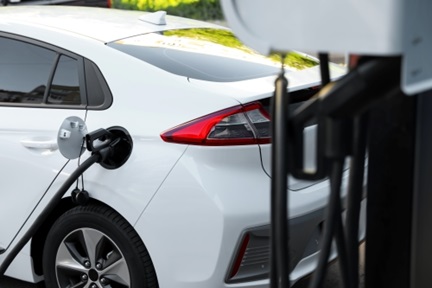
The blocking of the Strait of Hormuz due to the Iran war disrupted China’s international trade, as it depends on the Strait for a third of its crude oil supply, raising its energy costs, amid growing risks to its huge investments in the Middle East, and reduced demand from its trading partners.[6] In response, Chinese authorities initially restricted fuel exports, although they began to allow controlled selling within Asia in late April 2026.[7],[8],[9] China, which produces almost a third of global manufactures, has also begun shifting a greater portion of its energy imports towards alternative producers in Africa, which though already supply some of its requirements, will now do even more, as China seeks to diversify its supplies to minimise disruptions from future shocks, a diversification hedge.[10],[11] China’s green technology trade with African economies, especially that of solar power systems, which is growing at scale, has also gathered even more momentum since the start of the Iran war.[12] Chinese exports of electric vehicles to Africa which have been surging as well, will expand even further owing to the Iran war, as demand grows for mobility alternatives that are not dependent on volatile oil markets.[13]
U.S. trade war and China’s industrial overcapacity underpin deeper Africa pivot
Before the Iran war, China’s zero-tariff trade policy already became a geoeconomic necessity owing to its industrial overcapacity and ongoing trade war with the United States. But the unilateral free trade initiative risks making African economies a dumping ground for Chinese manufactures, thus constraining the continent’s industrial prospects. To stop the deepening of the trade deficit (which stood at US$102bn in 2025) and rebalance it towards manufactures-based trade on both sides, it is imperative that African governments institute industrial policy measures to force Chinese manufacturing investments in their respective economies.[14] Like they have done in South Asian economies, Chinese firms can instead increasingly manufacture the goods they currently export to Africa in Africa itself. African governments should insist on a minimum downstream processing requirement for its commodities before export to China.
The Iran war is stoking imported food and energy inflation in African economies, although the near-term growth effects will differ between net oil exporters and net oil importers, a disparity also being seen in their respective cost of external debt.[15] With widening fragmentation in global trade, African economies must produce more of what they consume, and buy and sell more with each other. As trade protectionism is growing in tandem, it will increasingly make more economic sense for Africa’s trade partners to produce what they sell to African consumers in their respective countries. A good example is the Chinese Hisense consumer electronics brand: Hisense has been making the electronic appliances it sells to South Africans in South Africa for some years now; from where it has been exporting to Europe as well.[16] Chinese automakers have also begun to assemble the cars they sell to South Africans in South Africa.[17],[18] China is moving away from traditional industries towards more advanced manufacturing, with the participants in these old industries increasingly moving their operations abroad, although there is internal pressure to modernise them instead.[19]
China will react positively to African industrial policy measures
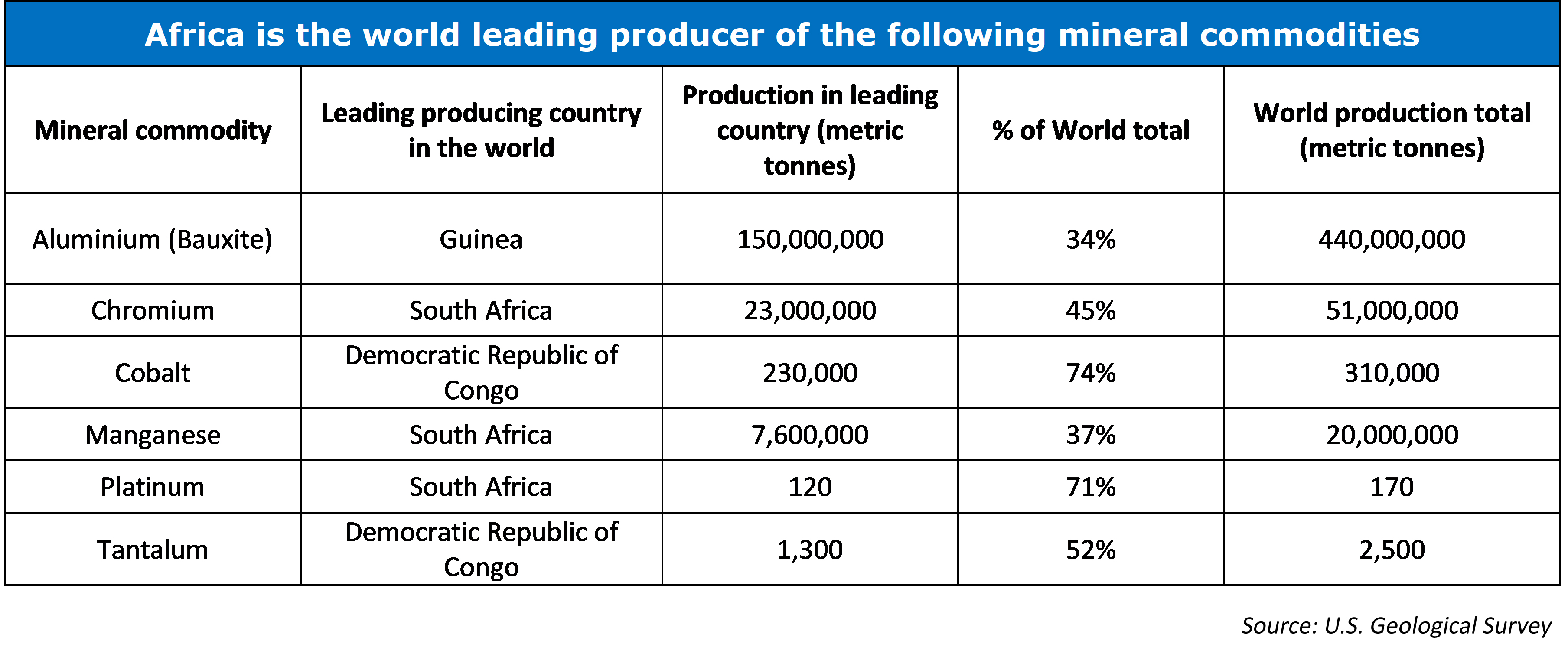
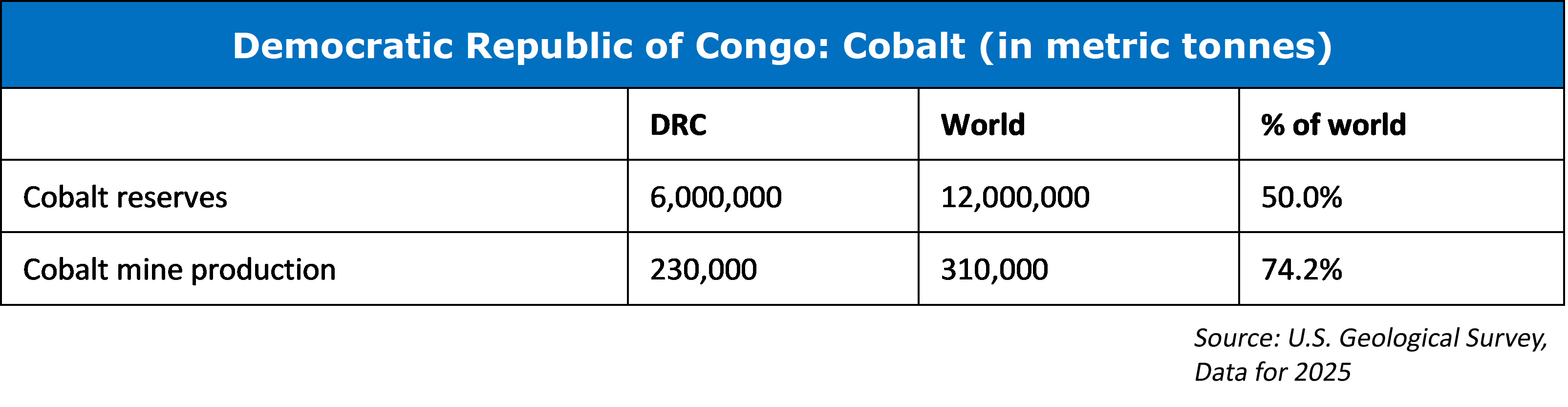
The historical policy-outcome gap of Africa’s industrial ambitions is primarily due to weak execution.[20] Recent African industrial policy measures have had varied outcomes, from reversals, delays, to slight progress, owing to this particular constraint. China’s primary motivation is the diversification of its export markets beyond the reach of the United States, which it is warring with on trade, as well as outlets to absorb its industrial overcapacity.[21] African governments should leverage that need to force a transfer of that excess capacity into their economies via Chinese manufacturing investment rather than imports of Chinese manufactures. A firm hand by African governments will be required to steer Chinese state-owned enterprises, which currently dominate Africa’s mining trade, towards the continent’s industrialisation goals.[22] China, whose investment in African mining makes up more than a fifth of its total investment on the continent, is dominant in the extraction of African minerals, which make up about a third of global reserves, with the Democratic Republic of Congo (DRC) alone accounting for more than 70% of global cobalt supply, in addition to having about half of the world’s proven cobalt reserves.[23] African industrial policy measures will be required to force the needed Chinese manufacturing investment for this transition from African raw materials export to China to processed African goods exports to China.
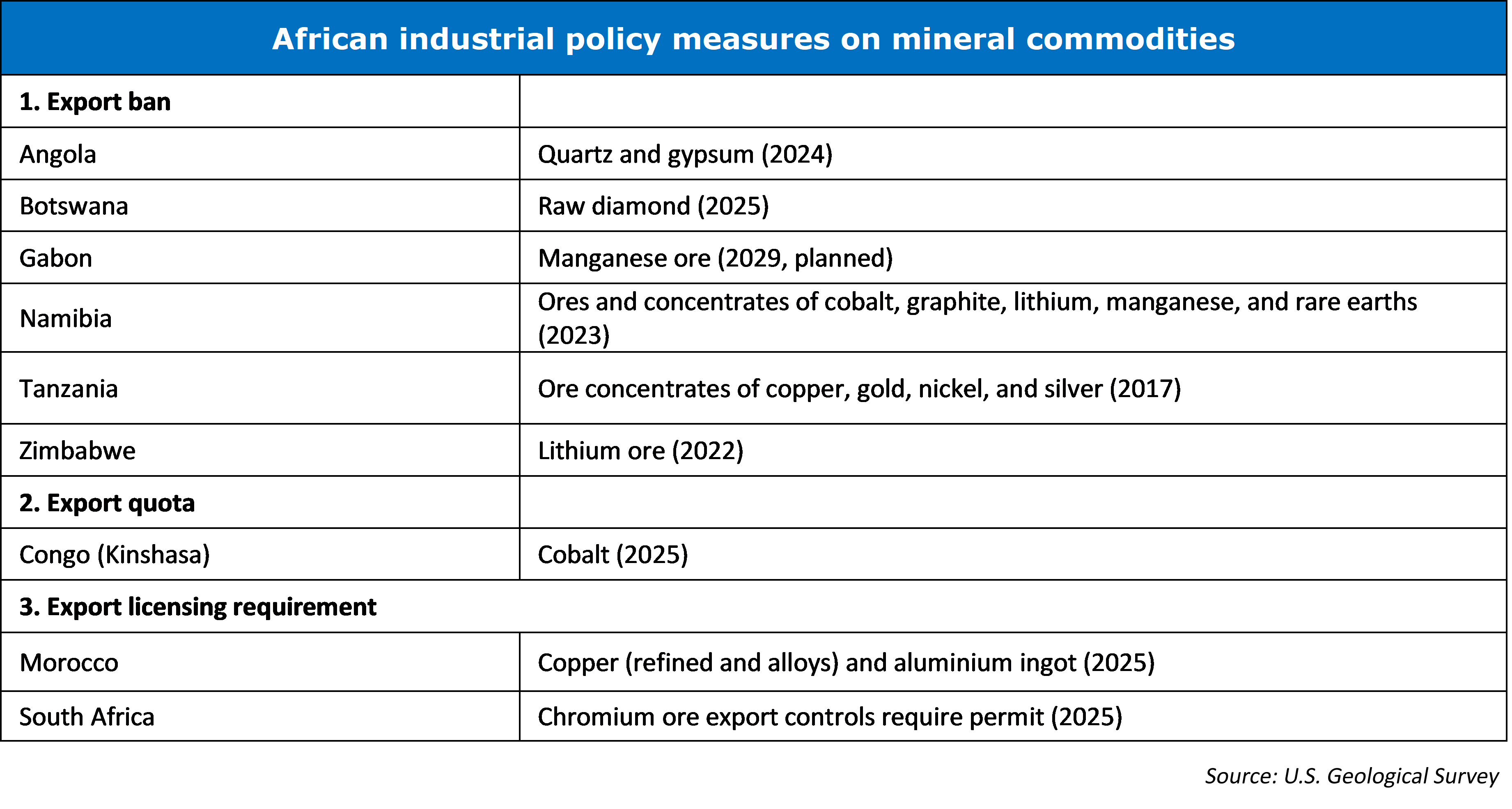
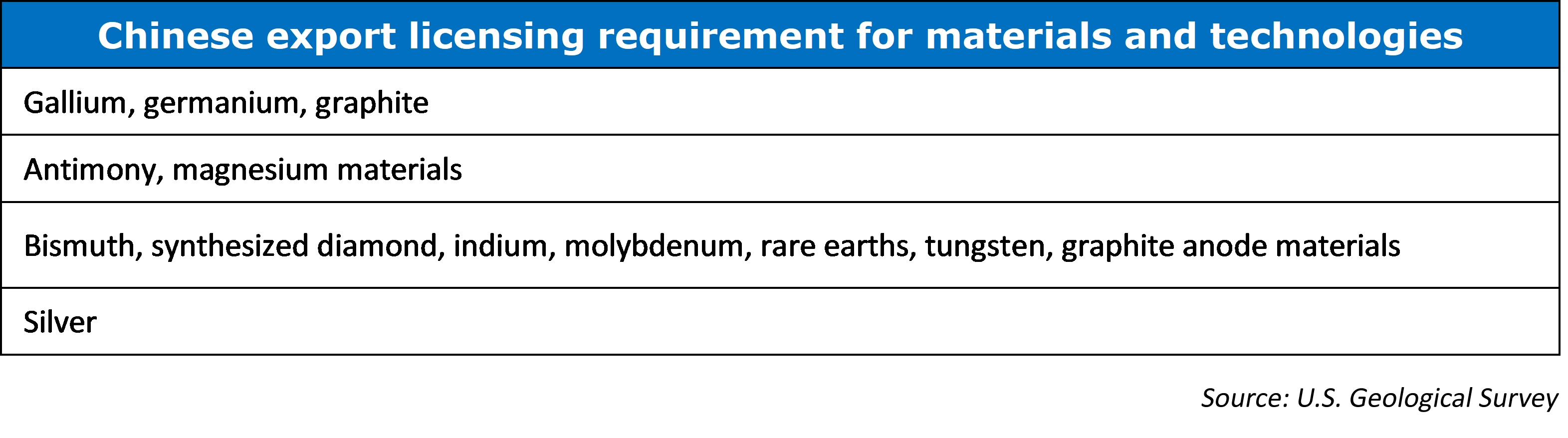 Cobalt industrial policy measures by the Democratic Republic of Congo: Chinese mining firms have been pushing back against cobalt export curbs since February 2025 by the DRC, which though appear to primarily want higher prices from artificially reduced global cobalt supply rather than stronger measures to force cobalt refining.[24] Accounting for more than two-thirds of global cobalt production, the DRC has ample leverage to effectively make Chinese mining firms add more value to the cobalt they extract before shipping to China. To stem a sharp decline in the price of cobalt, DRC authorities announced a cobalt export ban in February 2025 and subsequently instituted an export quota system to curb oversupply.[25],[26],[27] Similar industrial policy measures elsewhere, in Indonesia and Zimbabwe for example, are typically aimed at forcing global mining firms to process minerals before exporting them. That does not appear to be the primary motivation in the DRC case, as the authorities appear more interested in a higher revenue take instead. Unsurprisingly, China’s CMOC Group, which mines the most of DRC’s cobalt, has not signalled plans to refine cobalt in the DRC, preferring to continue shipping the raw metal for processing in China. A potential push towards doing so (albeit barely) is coming from an unexpected quarter: the United States.
In May 2026, Entreprise Générale du Cobalt (EGC), a subsidiary of state-owned Gécamines, EVelution Energy and Trafigura signed a tripartite memorandum of understanding (MoU) to establish a US-DRC cobalt supply chain, whereby with Trafigura’s facilitation of logistics and marketing services, EGC would supply EVelution’s U.S. plant with cobalt hydroxide, for onward processing to battery-grade cobalt sulphate as well as alloy-grade cobalt metal, for use by the U.S. aerospace, defense and electric vehicle (EV) battery industries.[28] While the MoU highlights the development of local cobalt refining capacity in the DRC, the prospects of refining to at least battery-grade cobalt sulphate without more forceful industrial policy measures by the DRC government are slim. But the development is clearly a reaction to China’s entrenched lead in cobalt extraction in the DRC, as well as the extraction of other critical minerals across the African continent, which China is increasingly girding with mineral processing deals when pushed (as the Zimbabwean lithium case shows).
 Lithium industrial policy measures by Zimbabwe: Chinese mining firms, Zhejiang Huayou, Sinomine, and Sichuan Yahua are building lithium processing plants in Zimbabwe, with at least US$1bn invested thus far, and Huayou’s lithium sulphate already being exported.[29] In April 2026, Chinese-owned Zhejiang Huayou Cobalt exported to China through its Prospect Lithium local subsidiary, the first lithium sulphate (which will be further processed into battery-grade lithium hydroxide and lithium carbonate in China) produced in Africa from its lithium mining operations in Zimbabwe, which includes a US$400m processing plant (completed in October 2025) that is able to produce 50,000 metric tonnes of lithium sulphate per year, thus enabling Huayou to save on export taxes.[30],[31]
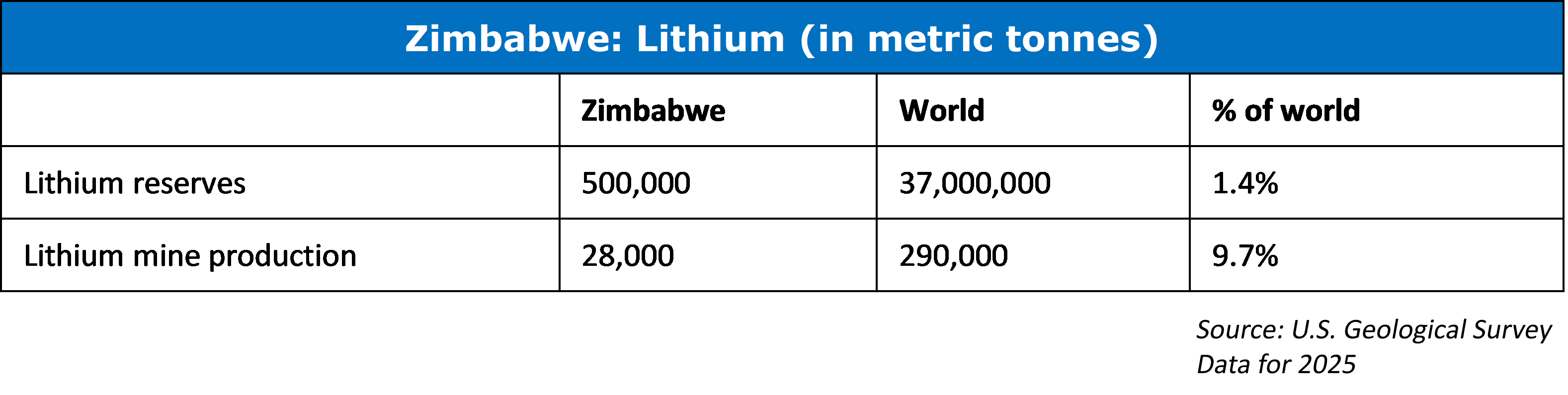
Zimbabwe imposed a 10% tax on exports of lithium concentrate, and will not allow its export from January 2027, after originally introducing export quotas on the mineral.[32],[33] At least two other lithium sulphate plants are being built currently in Zimbabwe by Chinese mining firms.[34],[35] Zimbabwe accounted for 15% of China’s imports of lithium concentrate in 2025.[36] With control of about 90% of Zimbabwe’s lithium reserves, Chinese dominance is beginning to cause geopolitical wrangling, especially with the United States, which accuses China of exploitation and environmental damage.[37],[38] The geoeconomic necessity for China to demonstrate it has a stronger value proposition informs its increasingly keen response to the Zimbabwean government’s quest for industrial complexes around its mineral endowments. China continues to expand its African lithium mining footprint, lately taking over a Ghanaian operation in May 2026, and like they are doing with gold and cocoa, Ghanaian authorities are expected to insist on a compulsory downstream outlook towards at least refining for lithium sulphate as well.[39],[40],[41]
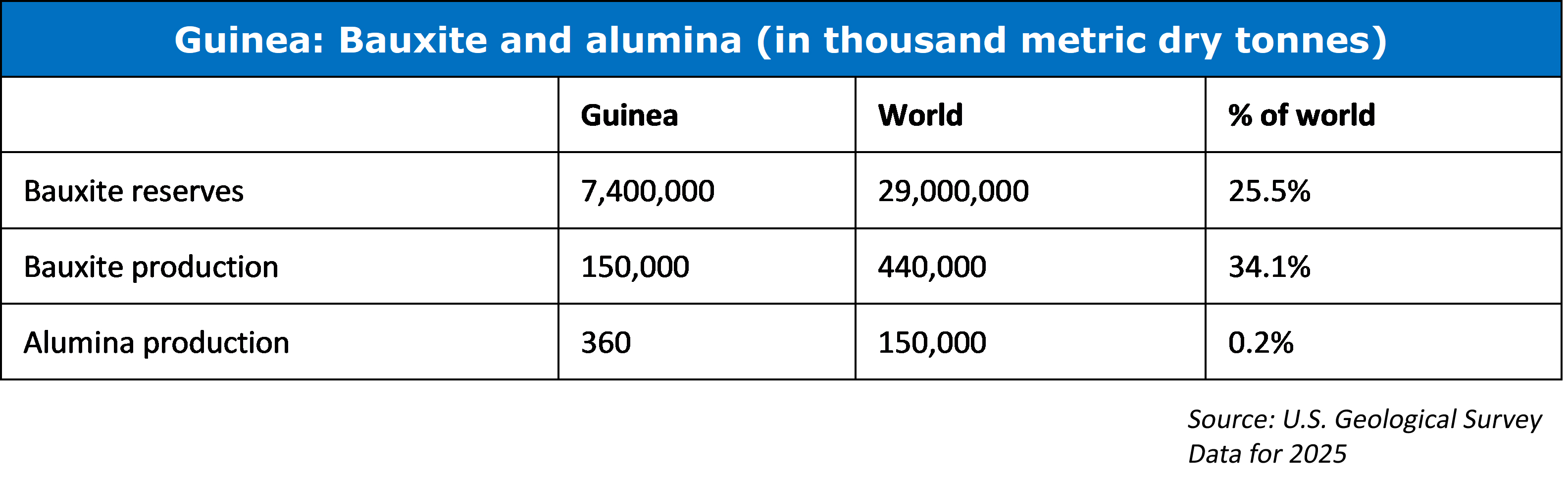
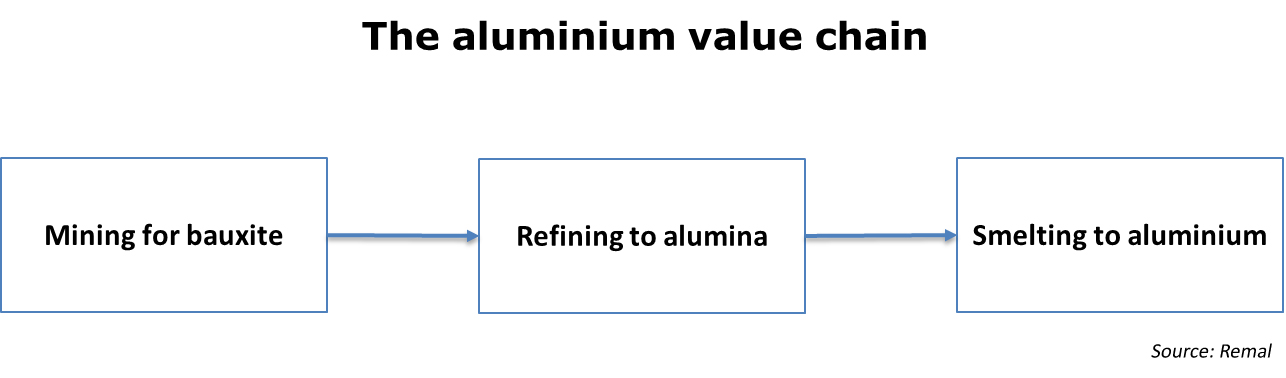
Bauxite industrial policy measures by Guinea: The Guinean government has announced plans for bauxite export controls from June 2026, although the latest move appears targeted at boosting prices.[42] Higher shipping costs due to the Iran war since late February 2026 have also been weighing on margins.[43] In mid-March 2026, bauxite prices were down 20-30% relative to levels in 2025, when Guinea produced a record 183m metric tonnes of bauxite.[44] Bauxite output by Guinea was already up 25% year on year in the first quarter of 2026 to 60.9m tonnes from 48.6m tonnes in the same period in 2025.[45] Even so, Guinea’s push for Chinese mining firms to refine bauxite into alumina before export is beginning to yield results, albeit still marginal. In May 2026, the Aluminium Corporation of China Limited (Chalco) announced it will build a US$1bn 1.2m tonne per year alumina refinery in Guinea.[46] The Guinean government will initially be assigned a 5% stake in the refinery, which it will be able to raise to a 35% holding over time.
A steel industrial complex around its vast iron ore reserves will be more ideal as well. But this will require similarly aggressive industrial policy measures. After decades of holdups, Guinea finally started shipping iron ore to China from its US$23bn Simandou iron ore mine project in December 2025, with the first end-to-end shipment happening a few months after.[47],[48] Mamady Doumbouya, Guinea’s president, who appears increasingly wary of the Chinese concentration risk of his country’s mining sector, cancelled a large number of mostly Chinese-owned mining licenses in May 2025, ostensibly to enable more western participation.[49],[50] To sustain its geoeconomic advantage, the need to facilitate mineral beneficiation (which western firms continue to pay lip-service to) to retain its increasingly exorbitant privilege in the Guinean and broader African mining trade has become a geostrategic imperative for China.
References
[1] Ekanem, S. (2026, May 1). South Africa becomes first African country to export goods to China under zero-tariff policy. Business Insider. https://africa.businessinsider.com/local/markets/south-africa-becomes-first-african-country-to-export-goods-to-china-under-zero-tariff/s3513sb
[2] Xinhua (2026, May 14). Zero-tariff policy boosts Hunan-Africa biz ties. https://www.chinadaily.com.cn/a/202605/14/WS6a0522f9a310d6866eb48832.html
[3] Muyun, L. (2026, February 10). Hunan emerging as China-Africa trade hub. Forum on China-Africa Cooperation. https://www.focac.org/eng/zfgx_4/jmhz/202602/t20260209_11854511.htm
[4] The Economist (2026, April 29). Could China help make Africa a factory for the world? https://www.economist.com/middle-east-and-africa/2026/04/29/could-china-help-make-africa-a-factory-for-the-world
[5] World Bank (2026). Commodity Markets Outlook April 2026. https://documents1.worldbank.org/curated/en/099842304282633100/pdf/IDU-29bd7eb3-10b9-441a-89be-9732d149e669.pdf
[6] Lin, B., Hart, B., Li, L., Tinsley, T. and Yang, L. (2026, April 30). How is the Iran war impacting China’s economy. Center for Strategic and International Studies. https://chinapower.csis.org/china-economic-impacts-iran-war/
[7]Li, S. And Jackson, L. (2026, May 18). China’s April oil throughput hits lowest since August 2022, inventories rise. Reuters. https://www.reuters.com/business/energy/chinas-april-oil-throughput-hits-lowest-since-august-2022-inventories-rise-2026-05-18/
[8] Bloomberg (2026, April 30). China Allows State Refiners to Export Some Fuels to Asian Buyers. https://www.bloomberg.com/news/articles/2026-04-30/china-allows-state-refiners-to-export-some-fuels-to-asian-buyers
[9]Bloomberg (2026, May 11). Saudi Arabian oil exports to China set for deep drop in June. https://www.bloomberg.com/news/articles/2026-05-11/saudi-arabian-oil-exports-to-china-set-for-deep-plunge-in-june
[10]Zhang, C. (2026, May 27). How Iran war is reshaping China’s geoeconomic cooperation with North Africa. Stimson Center. https://www.stimson.org/2026/how-iran-war-is-reshaping-chinas-geo-economic-cooperation-with-north-africa/
[11] Okebiorun, O. (2026, May 12). Africa’s oil giants, Angola, Nigeria and Algeria on standby as Aramco warns of 100 million barrels weekly loss if Hormuz stays closed. Business Insider. https://africa.businessinsider.com/local/markets/africas-oil-giants-nigeria-angola-and-algeria-on-standby-as-aramco-warns-of-100/54swbmf
[12] Pike. L. (2026, May 11). China green tech firms target new consumers hit by Iran war energy shock. Bloomberg. https://www.bloomberg.com/news/articles/2026-05-10/china-s-green-exporters-seize-on-new-markets-after-iran-war-fuel-shock
[13]Semafor (2026, May 13). EV imports to Africa from China surged in 2025. https://www.semafor.com/article/05/13/2026/ev-imports-to-africa-from-china-surged-in-2025
[14] Raji, R. (2025, September 5). China-Africa trade scenarios amid global tariff war. Nanyang Business School. https://www.ntu.edu.sg/cas/news-events/news/detail/china-africa-trade-scenarios-amid-global-tariff-war
[15]International Monetary Fund (2026). Regional Economic Outlook: Sub-Saharan Africa: Hard-won gains under pressure. https://www.imf.org/-/media/files/publications/reo/afr/2026/april/english/text.pdf
[16]Chuanjiao, X. (2022, April 18). China’s Hisense begins export to Britain from its South Africa industrial park. China Daily. https://global.chinadaily.com.cn/a/202204/18/WS625d1629a310fd2b29e579e6.html
[17] Business Insider (2026, May 3). South Africa emerges production base for Chinese brand Jetour’s T1 and T2 SUV models. https://africa.businessinsider.com/local/markets/south-africa-emerges-production-base-for-chinese-brand-jetours-t1-and-t2-suv-models/jc39dn3
[18] Ekanem, S. (2026, April 1). Chinese carmaker targets South African market with new EV facility by end of 2027. Business Insider. https://africa.businessinsider.com/local/markets/chinese-carmaker-targets-south-african-market-with-new-ev-facility-by-end-of-2027/fmkgv5d
[19]Bloomberg (2026, May 16). China needs to modernise older sectors, not scrap them, minister says. https://www.bloomberg.com/news/articles/2026-05-16/china-needs-to-modernize-older-sectors-not-scrap-them-minister
[20] World Bank (2026). Africa Economic Update April 2026: Making industrial policy work in Africa. https://openknowledge.worldbank.org/server/api/core/bitstreams/a3b14692-06fa-48e6-808a-45bacf1c885b/content
[21]Adeyemi, S. (2026, January 23). Chinese goods flood Africa, widening trade gap to record $102 billion amid US pressure. Business Insider. https://africa.businessinsider.com/local/markets/chinese-goods-flood-africa-widening-trade-gap-to-record-dollar102-billion-amid-us/8m7n72y
[22]Nantulya, P. (2026, March 17). Chinese state-owned enterprises and market capture in Africa. Africa Center for Strategic Studies. https://africacenter.org/spotlight/chinese-state-owned-enterprises-market-capture-africa/
[23]Tang, L., Sadden, E., and Chen, L. (2025, September 30). China drives Africa’s battery metals buildout. S&P Global. https://www.spglobal.com/energy/en/news-research/special-reports/metals/ci-0925-china-africa-battery-metals-supply-chain-buildout
[24]Lee, A. and Kavanagh, M.J. (2026, May 15). China’s MMG bemoans Congo cobalt curbs that threaten investment. Bloomberg. https://www.bloomberg.com/news/articles/2026-05-15/china-s-mmg-bemoans-congo-cobalt-curbs-that-threaten-investment
[25]Kasongo, A.A. and Rolley, S. (2025, February 25). Congo bans cobalt exports for four months to curb oversupply. Reuters. https://www.reuters.com/markets/commodities/congo-suspends-cobalt-exports-four-months-counter-oversupply-bloomberg-news-2025-02-24/
[26]Reuters. (2025, June 21). Congo extends cobalt export ban by three months. https://www.reuters.com/world/africa/congo-extends-cobalt-export-ban-by-three-months-2025-06-21/
[27]Reuters. (2025, December 31). Congo to allow cobalt quotas for 2025 to be executed until March 31. https://www.reuters.com/world/africa/congo-allow-cobalt-quotas-2025-be-executed-until-march-31-2025-12-31/
[28] Trafigura (2026, May 13). Entreprise Générale du Cobalt, EVelution Energy and Trafigura sign MOU to establish direct U.S.–DRC cobalt supply chain [Press release]. https://www.trafigura.com/news-and-insights/press-releases/2026/entreprise-generale-du-cobalt-evelution-energy-and-trafigura-sign-mou-to-establish-direct-us-drc-cobalt-supply-chain/
[29]Okafor, C. (2026, May 29). How Zimbabwe got China to pour in a billion dollars into value-added lithium investments. Business Insider. https://africa.businessinsider.com/local/markets/how-zimbabwe-got-china-to-pour-in-a-billion-dollars-into-value-added-lithium/36j224m
[30]Banya, N. and Muronzi, C.T. (2026, April 28). China’s Huayou reports first lithium salt exports from Zimbabwe. Reuters. https://www.reuters.com/world/africa/chinas-huayou-reports-first-lithium-salt-exports-zimbabwe-2026-04-28/
[31]Nyabiage, J. (2026, May 24). Will Zimbabwe’s lithium strategy help it break into the value-adding game? South China Morning Post. https://www.scmp.com/news/china/diplomacy/article/3354484/will-zimbabwes-lithium-strategy-help-it-break-value-adding-game
[32]Reuters (2025, June 10). Zimbabwe to ban export of lithium concentrates from 2027. https://www.reuters.com/business/energy/zimbabwe-ban-export-lithium-concentrates-2027-2025-06-10/
[33] Reuters (2026, April 8). Zimbabwe to introduce lithium export quotas, sets conditions for resumption of shipments. https://www.reuters.com/business/energy/zimbabwe-ban-export-lithium-concentrates-2027-2025-06-10/
[34] Okafor, C. (2026, February 27). Zimbabwe’s processing for white gold deepens with another sulphate plant. Business Insider. https://africa.businessinsider.com/local/markets/zimbabwes-processing-for-white-gold-deepens-with-another-sulphate-plant/rhczhhc
[35] Marawanyika, G. (2024, September 30). Sinomine says it will build lithium sulphate plant in Zimbabwe. Bloomberg. https://www.bloomberg.com/news/articles/2024-09-30/sinomine-says-it-will-build-lithium-sulfate-plant-in-zimbabwe
[36] Muronzi, C.T. (2026, February 3). Zimbabwe spodumene exports up 11% in 2025, revenue flat on soft prices. Reuters. https://www.reuters.com/world/africa/zimbabwe-spodumene-exports-up-11-2025-revenue-flat-soft-prices-2026-02-03/
[37] Capital FM. (2026, May 26). Concerns rise over Chinese dominance of Zimbabwe’s lithium sector. https://www.capitalfm.co.ke/news/2026/05/concerns-rise-over-chinese-dominance-of-zimbabwes-lithium-sector/
[38]U.S. House of Representatives Select Committee on China. (2026, May 1). China’s minerals mafia: A global pattern of corruption, environmental destruction, and human rights abuse. https://files.constantcontact.com/f0eecb46901/2d655223-f73a-45fc-9c2c-ca4d550d6bdb.pdf
[39]Okebiorun, O. (2026, May 13). China tightens grip on West Africa’s lithium as U.S.-linked miner exits Africa’s critical minerals. Business Insider. https://africa.businessinsider.com/local/markets/china-tightens-grip-on-west-africas-lithium-as-us-linked-miner-exits-africas-critical/jg1p0wy
[40] Hidayat, M. (2026, May 14). Africa’s lithium wealth: China’s growing investment strategy. Discovery Alert. https://discoveryalert.com.au/china-lithium-investments-africa-battery-supply-chain/
[41]Ekanem, S. (2026, February 16). Ghana sets 2030 deadline to overhaul cocoa financing and end raw mineral exports. Business Insider. https://africa.businessinsider.com/local/markets/ghana-sets-2030-deadline-to-overhaul-cocoa-financing-and-end-raw-mineral-exports/nz8mzs5
[42] Camara, O. and Clowes, W. (2026, May 25). China aluminium market braces for launch of Guinea export curbs. Bloomberg. https://www.bloomberg.com/news/articles/2026-05-25/top-bauxite-producer-guinea-to-unveil-export-controls-in-june
[43]Semafor (2026, March 18). Guinea mulls bauxite export quotas to mitigate price slump. https://www.semafor.com/article/03/18/2026/guinea-mulls-bauxite-export-quotas-to-mitigate-price-slump
[44] Adombila, M.A. (2026, March 16). Guinea weighs bauxite export quotas as prices slide and freight costs rise, sources say. Reuters. https://www.reuters.com/world/africa/guinea-weighs-bauxite-export-quotas-prices-slide-freight-costs-rise-sources-say-2026-03-16/
[45]Adombila, M.A. (2026, April 28). Guinea bauxite output jumps 25% ahead of export curbs, official data show. Reuters. https://www.reuters.com/world/africa/guinea-bauxite-output-jumps-25-ahead-export-curbs-official-data-show-2026-04-28/
[46] Bloomberg (2026, May 22). Chalco agrees to build alumina plant in Guinea for $1 billion. https://www.bloomberg.com/news/articles/2026-05-22/chalco-agrees-to-build-alumina-plant-in-guinea-for-1-billion
[47]Reuters (2026, January 18). China receives first shipment of Simandou iron ore. https://www.reuters.com/world/asia-pacific/china-receives-first-shipment-simandou-iron-ore-2026-01-18/
[48]Ekanem, S. (2026, March 31). China receives first 200,000-tonne shipment from Africa’s largest untapped iron ore project. Business Insider. https://africa.businessinsider.com/local/markets/china-receives-first-200000-tonne-shipment-from-africas-largest-untapped-iron-ore/0sbffk2
[49] Keravuori, R. and Farrell, M. (2026, February 24). In Guinea, the US has a rare opportunity to gain an edge over China. Atlantic Council. https://www.atlanticcouncil.org/blogs/africasource/in-guinea-the-us-has-a-rare-opportunity-to-gain-an-edge-over-china/
[50] Adombila, M.A. (2025, May 16). Guinea repossess 51 mining licenses, information minister says. Reuters. https://www.reuters.com/world/africa/guinea-repossess-51-mining-licences-information-minister-says-2025-05-16