.jpg?sfvrsn=43200ab0_2 "Students Sketching Batur 3_1.1.7 (Edited)")
.png?sfvrsn=4dcdcab2_1 "SMK FIELD WORK2 (Edited)")
.jpg?sfvrsn=846e08d0_1 "P Adam & RAs Lab_1.4.1 (Edited)")
Advancing Knowledge for a Thriving Planet
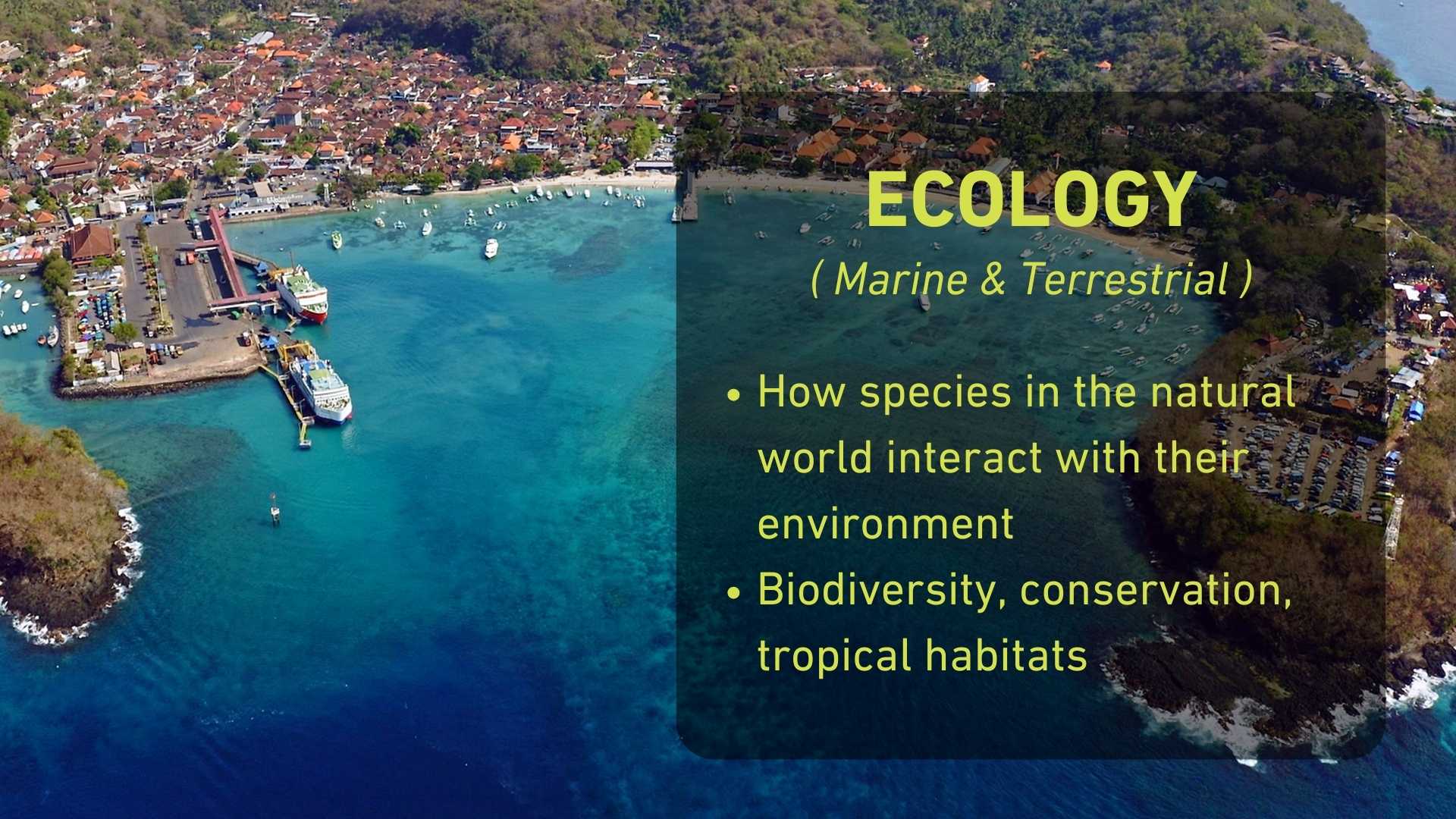
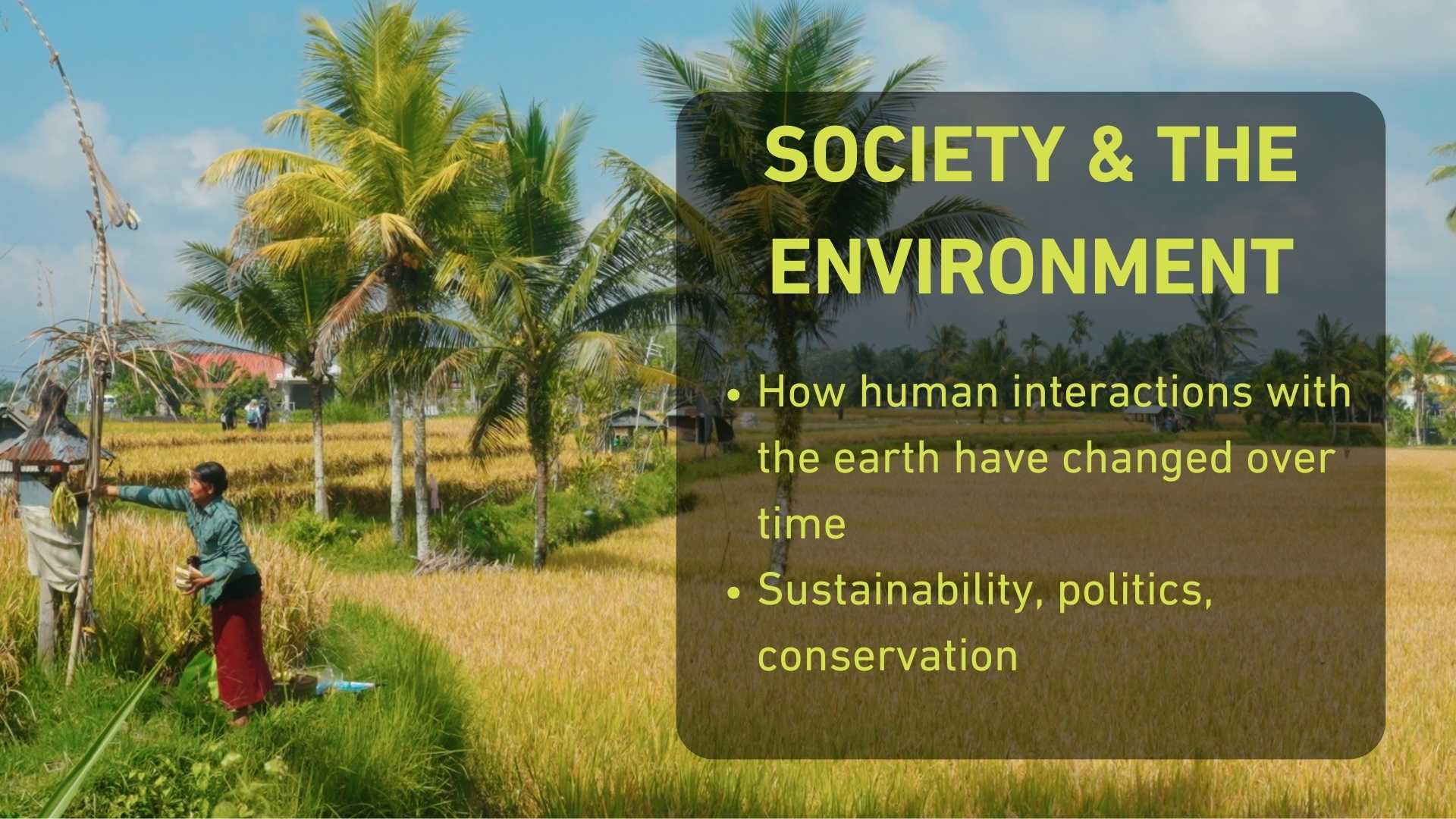
The Asian School of the Environment (ASE) at NTU is a diverse school focusing on the connections between geosciences, ecology, society and Earth systems. Our approach integrates these disciplines to examine big environmental challenges both in Southeast Asia and globally. We conduct cutting-edge research on topics that include ecology, geohazards, climate change, sea-level rise, environmental sustainability, conservation of environment and biodiversity, and interactions between environment and society.
ASE ranked 13th globally for Environmental Sciences in the 2025 QS World University Rankings by Subject.
About Us
More about us










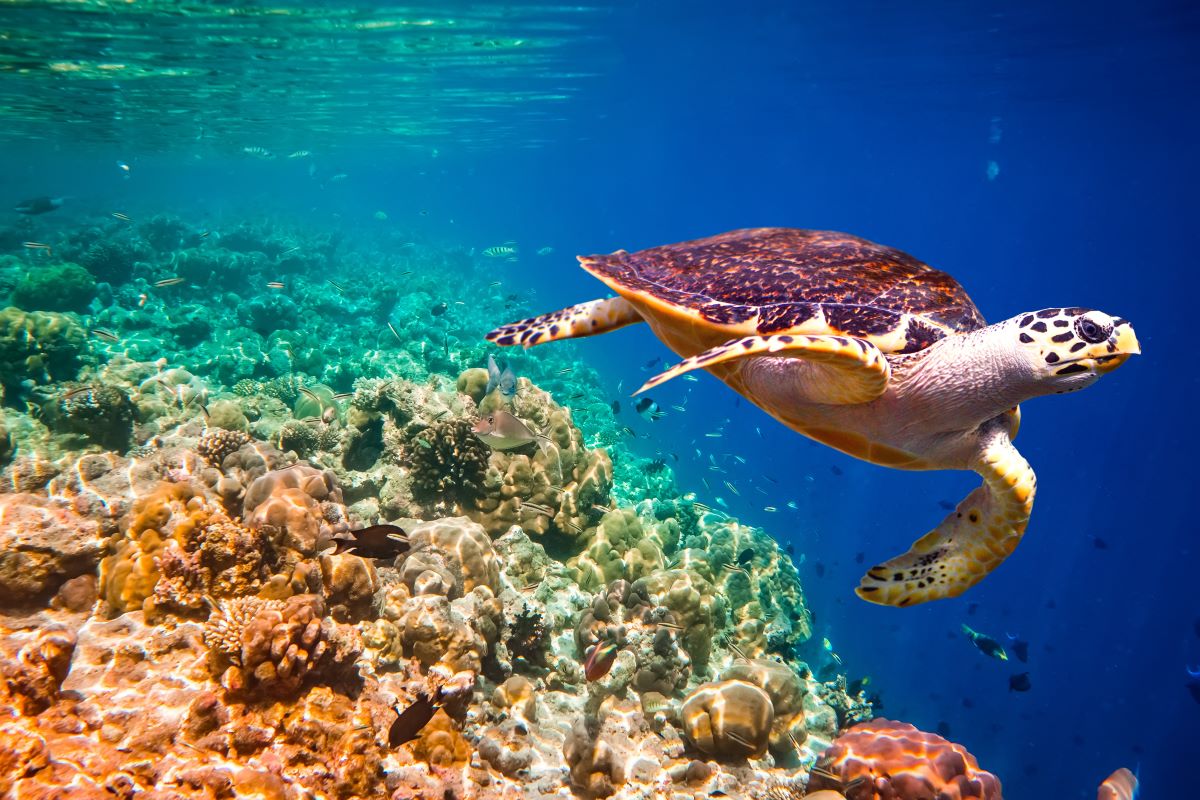


Our Graduate Programmes
More about our graduate programmes, handbook, and modules listing here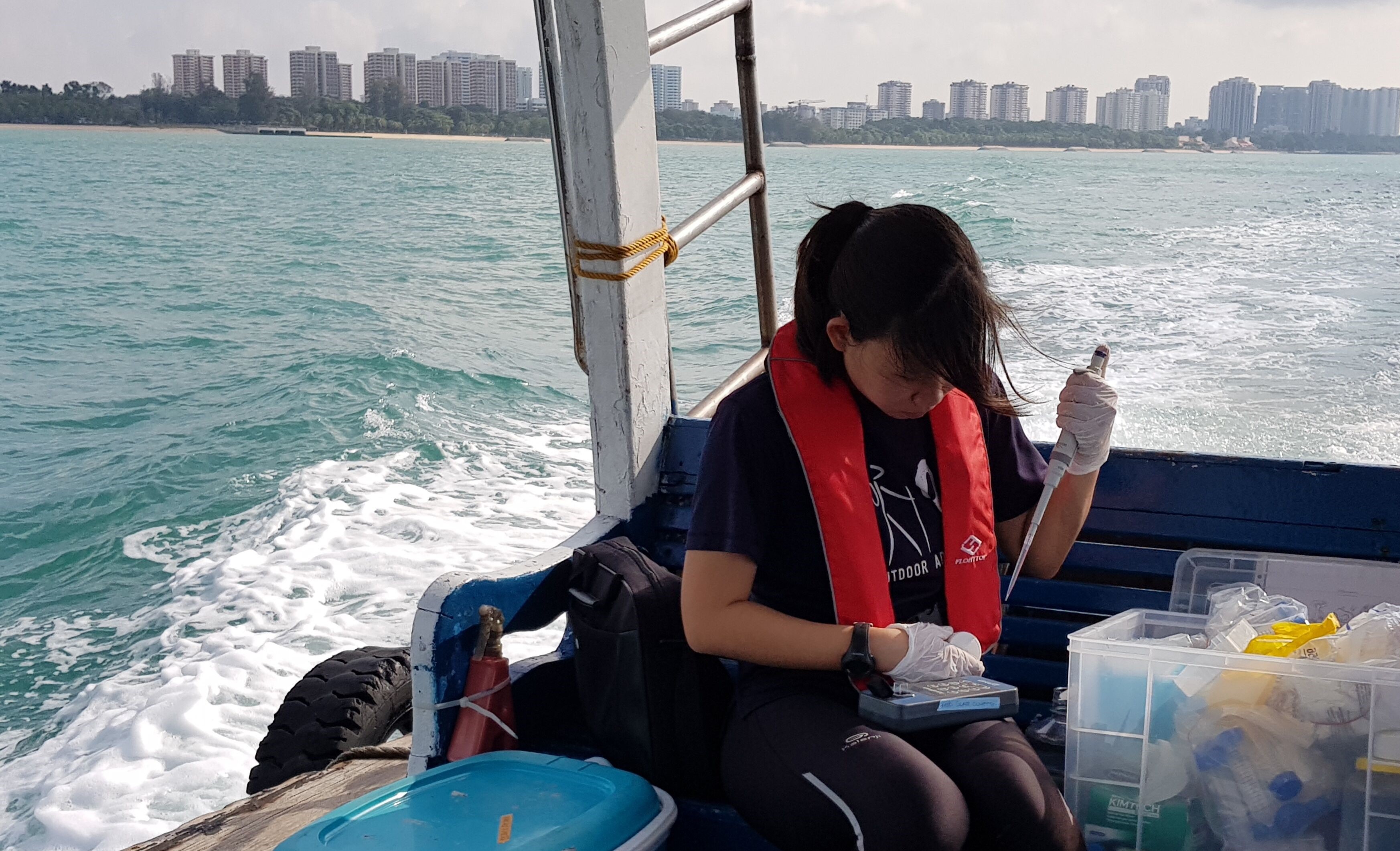
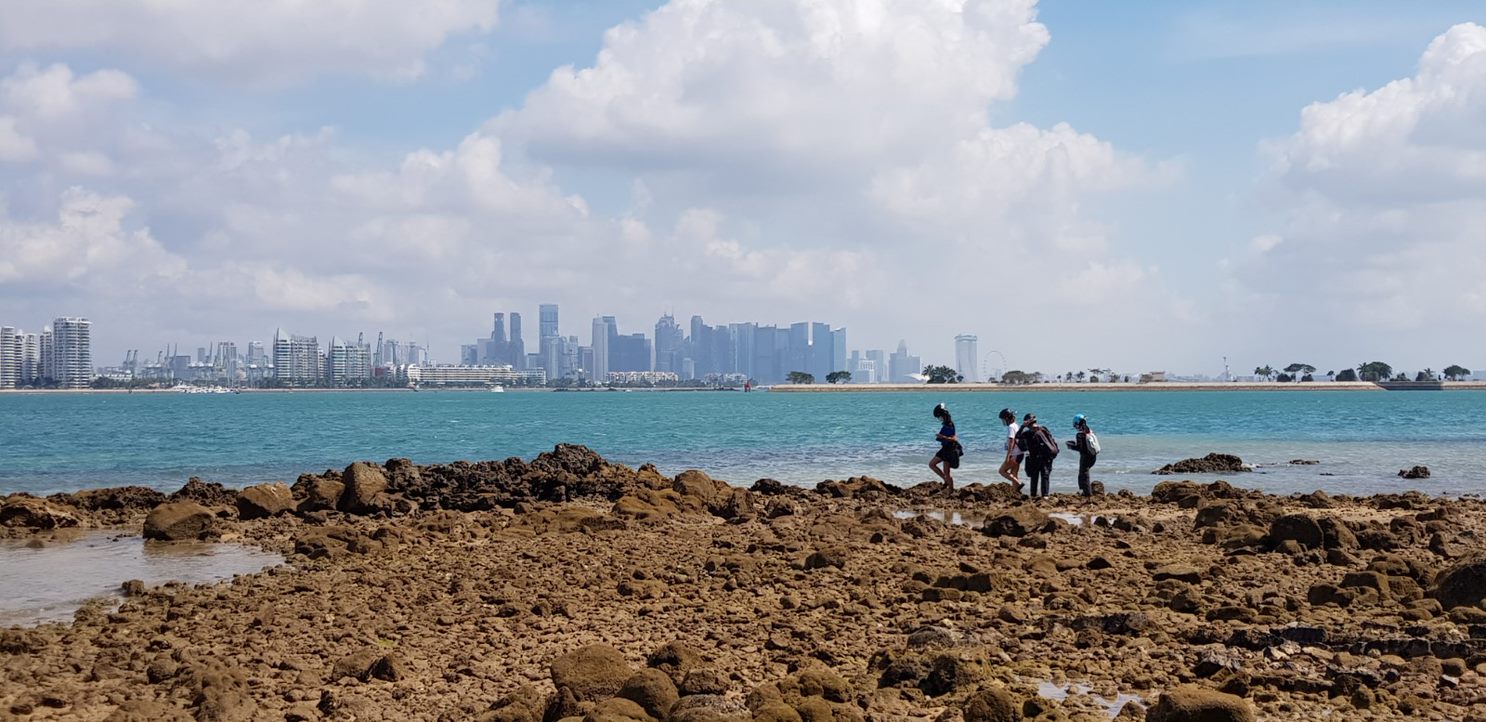

Our Research
Find out more about our research here

Latest news from the ASE News Blog
Read all news hereWhy tropical Singapore sent an expedition to icy Antarctica
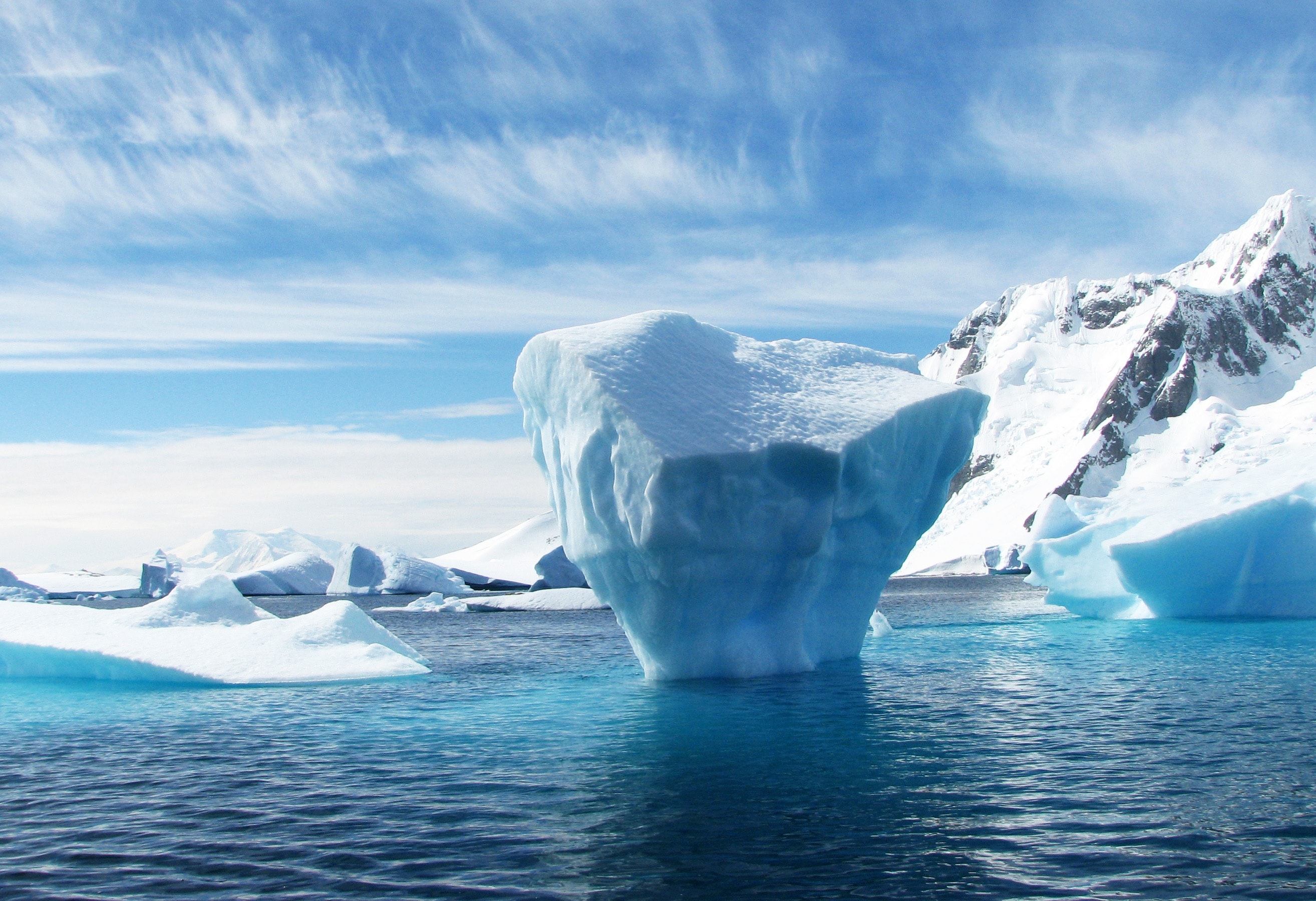
Photo Illustration: Pexels
Melting Antarctic ice could have catastrophic consequences for coastal cities. Seeing the massive ice shelves with his own eyes helped him grasp the scale of the problem, says Prof Benjamin P Horton. According to Prof Horton, Antarctic ice accounts for 70 per cent of Earth’s fresh water. If all that ice melted, the world’s oceans would rise by almost 60m, enough to inundate Singapore, Tokyo, New York City, Shanghai and other coastal cities. One cause for concern is that continued global warming may cause some glaciers to cross a tipping point known as the marine ice sheet instability. Being able to determine if and when this might happen is crucial for climate projections because the resultant change is effectively irreversible.
Read the full Channel News Asia Commentary here.
- Sustainability
Major Partners