

NTU PACE
Business Development
Email: askpace.sc@ntu.edu.sg
Pedagogical Approaches for Tech Education
This course is aimed at trainers of the Code For Fun enrichment programme for primary and secondary schools, and/or those in a similar role, especially those without prior pedagogical training or teaching experience.
In this course, you will learn the fundamentals of managing primary and secondary school students in order to create a conducive environment for effective learning of digital coding and related skills. You will also learn to plan and deliver engaging learning experiences suited to your students' profiles through varied pedagogical stances, strategies, and learning approaches. You will practice what you have learned and be assessed through micro-teaching sessions. You may be deployed as a CFF Trainer upon successfully passing the course.
• Be able to describe and reflect on the fundamentals of teacher professionalism, teacher authority, and their application to classroom practice
• Be able to identify and select appropriate proactive and remedial intervention strategies for classroom management of primary and secondary students
• Be able to identify and select appropriate computing pedagogies and instructional approaches to deliver learning experiences to various student profiles.
• Gain and apply pedagogical content knowledge (PCK) on the teaching of computational thinking, key computing concepts, and digital competencies
• Be able to practice, critique, and reflect on what they have learned through role play activities during the course, as well as in future teaching activities, as an ongoing process to improve and continue their professional development.
| Course |
|---|
Pedagogical Fundamentals and Classroom Management
|
Pedagogical Content Knowledge (PCK) and Developing Learners’ Digital Competencies
|
Microteaching Practice
|
Microteaching Assessment
|
Venue: NIE Campus
Duration: 4 days: (32 hours classroom facilitated training included assessment)
| Course | Course Date |
|---|---|
Pedagogical Approaches for Tech Education | Course Dates: 7, 8, 10, 11 Sep 2026 Registration Closing Date: 14 Aug 2026 |
| Time | Module Title | Mode |
| 9:00am – 6:00pm | Pedagogical Fundamentals and Classroom Management | Classroom (F2F) |
| 9:00am – 6:00pm | Pedagogical Content Knowledge (PCK) and Developing Learners’ Digital Competencies | Classroom (F2F) |
| 9:00am – 6:00pm | Microteaching Practice | Classroom (F2F) |
| 9:00am – 6:00pm | Microteaching Assessment | Classroom (F2F) |
Apply Now
Note: NTU reserves the right to change the date, venue, and mode of delivery due to unforeseen circumstances.
 | Upon course completion and fulfilling all requirements, participants will be awarded an e-Certificate of Completion, by both NTU & NIE, demonstrating their proficiency in the essential areas of the course. |
Standard Course Fee: S$4,360.00
| SSG Funding Support | Course fee | Course fee payable after SSG funding, if eligible under various schemes |
| BEFORE funding & GST | AFTER funding & 9% GST | |
| Singapore Citizens (SCs) and Permanent Residents (PRs) (Up to 50% funding) |
S$4,000.00 | S$2,360.00 |
| Enhanced Training Support for SMEs (ETSS) (Up to 70% funding) |
S$1,560.00 | |
| SCs aged ≥ 40 years old SkillsFuture Mid-career Enhanced Subsidy (MCES) (Up to 70% funding) |
Funding Requirements:
- You must achieve a minimum of 75% attendance for each module.
- You must complete and pass all assessment components.
Read more about funding here.
Credits:
- SkillsFuture Credit (Opening Credit): Applicable
- SkillsFuture Credit ($4000 Mid-Career Top-Up Credit): Not Applicable
- NTU/NIE Alumni Credits (up to S$1,600): Applicable
NTU/NIE alumni may utilise their $1,600 Alumni Course Credits. Click here for more information.
Union Training Assistance Programme (UTAP):
- NTUC members are eligible for Union Training Assistance Programme (UTAP) funding support. Members may self-submit their UTAP claim after successful completion of the programme.
- NTUC members aged below 40 may claim 50% of the unfunded course fee, capped at S$250 per calendar year.
- NTUC members aged 40 and above may claim 50% of the unfunded course fee, capped at S$500 per calendar year.
- For more information on UTAP and its claim process, please click here.
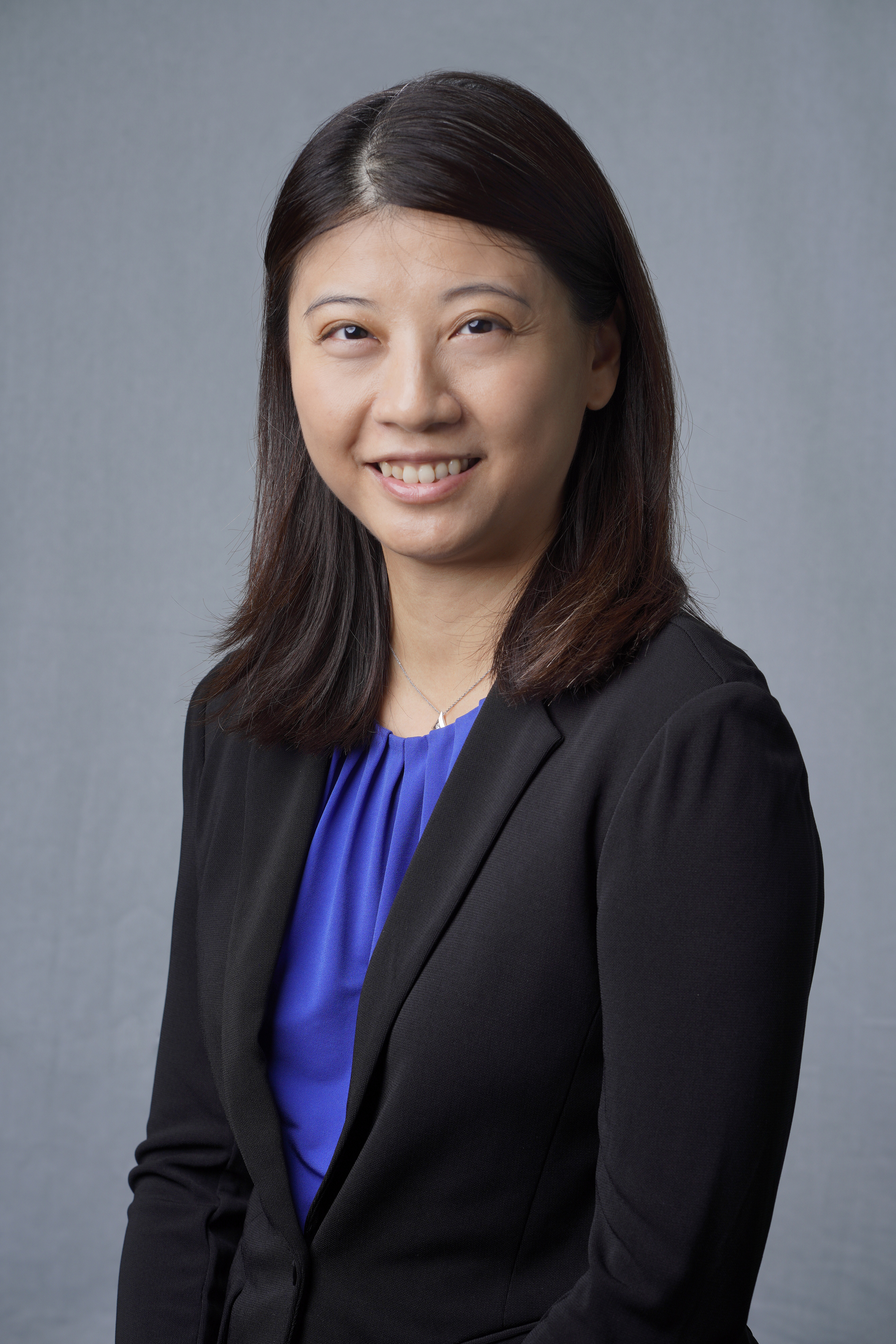 | Assoc Prof Choy DorisDr Doris Choy is an Associate Professor in the Learning Sciences and Assessment Academic Group, National Institute of Education, Nanyang Technological University. Dr. Choy earned her B.S. and M.S. degrees in Hospitality and Tourism Management at Purdue University and her Ph.D. in Educational Technology, Curriculum and Instructional at Purdue University. More information can be found at this link: https://dr.ntu.edu.sg/cris/rp/rp01483 |
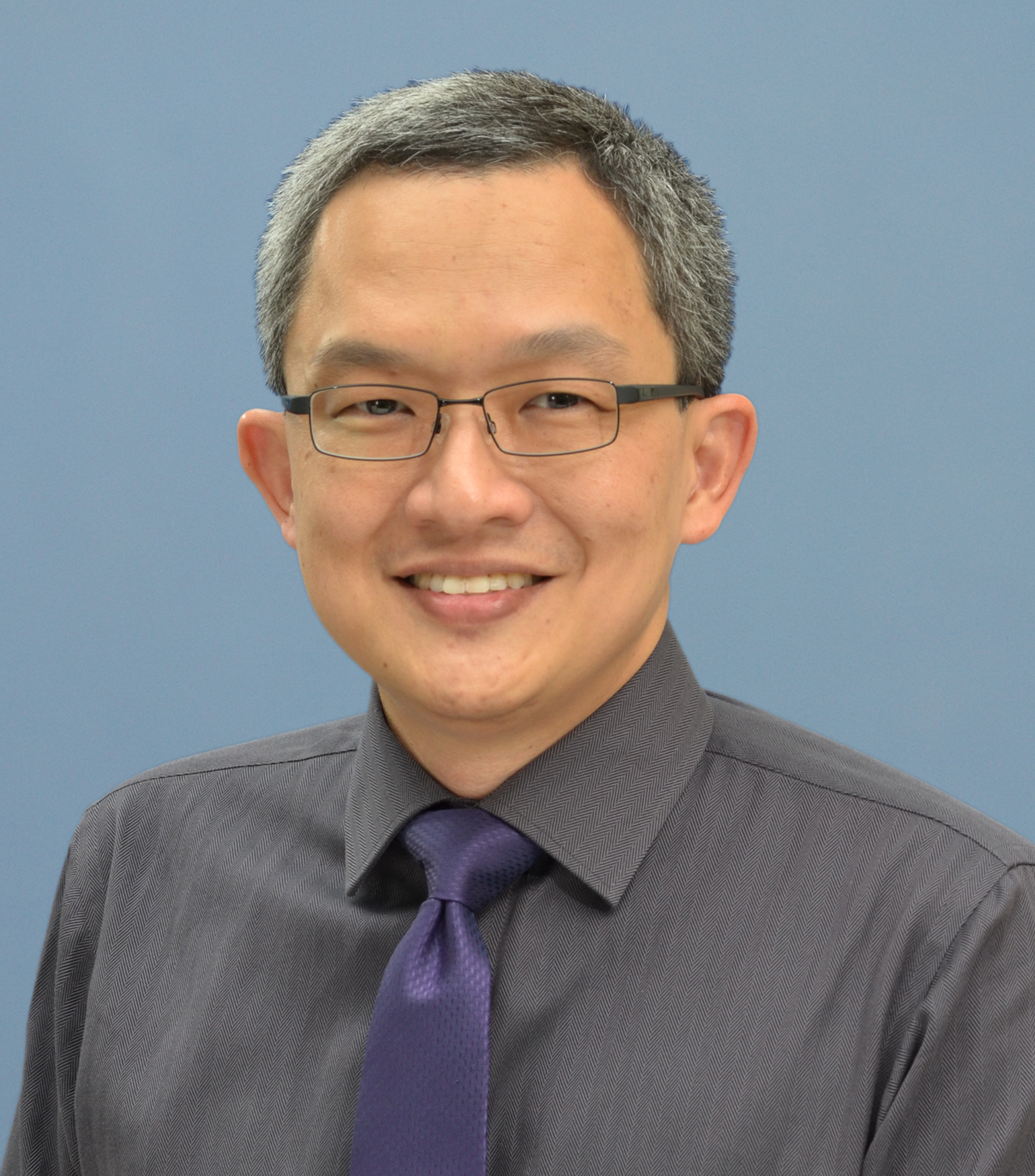 | Dr Tan Ter Ming TimothyA lifelong 'maker', Timothy's interests in both teaching and research, are in the teaching of science with an integrative approach, STEM integration and the use of design-and-make activities. He has always been keen to develop learning resources and laboratory activities that cater to the integrated, interdisciplinary teaching of the natural sciences in schools. In particular, he is interested in approaches that in recent years have become defined as 'maker culture', such as where learners learn science by building their own instrumentation or devices. He is also interested in the use of technology in science education, such as using connected internet of things (IoT) sensors for data acquisition and analysis for applied learning; and in the use of 360-degree video media for immersive learning environments (ILE). Timothy teaches pre-service curriculum studies in Computer Applications (CPA) and Primary Science, selected in-service courses in Primary and Lower Secondary Science, as well as undergraduate academic subject courses in molecular genetics and biotechnology. He is also part of the team at the meriSTEM@NIE Centre. Timothy's broad portfolio is both reflected in and possible because of his background. He obtained a BSc (Honours) in Biochemistry and worked at Tan Tock Seng Hospital as a Medical Technologist prior to receiving his MSc from NIE/NTU for his work on the serological diagnosis of nasopharyngeal carcinoma. Working full-time in NIE since 2003, his focus transitioned to teaching and learning of science and he eventually obtained his PhD in Science Education from NIE/NTU. Timothy is a Council Member of the Singapore Association for the Advancement of Science (SAAS), and a member of the American Educational Research Association (AERA), European Science Education Research Association (ESERA), Australian Science Education Research Association (ASERA), International Technology and Engineering Educators Association (ITEEA), and The Singapore Institute of Biology (SIBiol). He has been on the Organising Committee for the International Science Education Conference (ISEC), Singapore (2006, 2009, 2014, 2018, 2021), Organising Committee of the International Biology Olympiad held in Singapore (2012), as well as past Editor of the SIBiol Bulletin (2007-2010), past Honorary Treasurer (2003-2006), Council Member (2006-2013) of SIBiol. |
 | Asst Prof Edwin ChngEdwin Chng is an assistant professor of science education at the National Institute of Education (NIE), Singapore. At present, Edwin teaches both biology education and computing education courses in NIE. Prior to joining NIE, Edwin was trained as a secondary school Physics and Biology teacher in Singapore. During his time as a schoolteacher, Edwin has had teaching and curriculum leadership experience in two local secondary schools, as well as a short research analyst stint in Research & Management Information Division, Ministry of Education, Singapore. Edwin’s current research interest lies in the extraction of relevant student information from classrooms to support evidence-based intervention strategies. As such, he works primarily in the fields of multimodal learning analytics, educational data mining, and artificial intelligence (AI) in education. With the use of student pose and gaze data, Edwin has studied how students collaborate and how teachers facilitate in open-ended learning environments such as makerspaces. With the use of computer vision, Edwin has examined the deployment of AI agents to support science teachers with informed pedagogical and technological considerations. Overall, Edwin is interested in the educated use of technological innovations to augment teaching and learning in traditional classrooms. Academic Background
|
 | Dr Seow Sen Kee, PeterPeter Seow is a Lecturer/Research Scientist in the Office of Education Research in NIE. With his computer science background, he has been studying how students can develop Computational Thinking competencies though physical computing such as the micro:bit boards and unplugged approaches to develop computing concepts. He is deeply involved in the design of constructionist approaches such as tinkering where students can develop concepts and knowledge through creating physical and virtual artefacts that can iteratively reflected, revised and improved to be shared with others. Not only is he interested in how students develop science concepts through tinkering activities but also their social-emotional competencies such as self-efficacy, resilience and social development. |
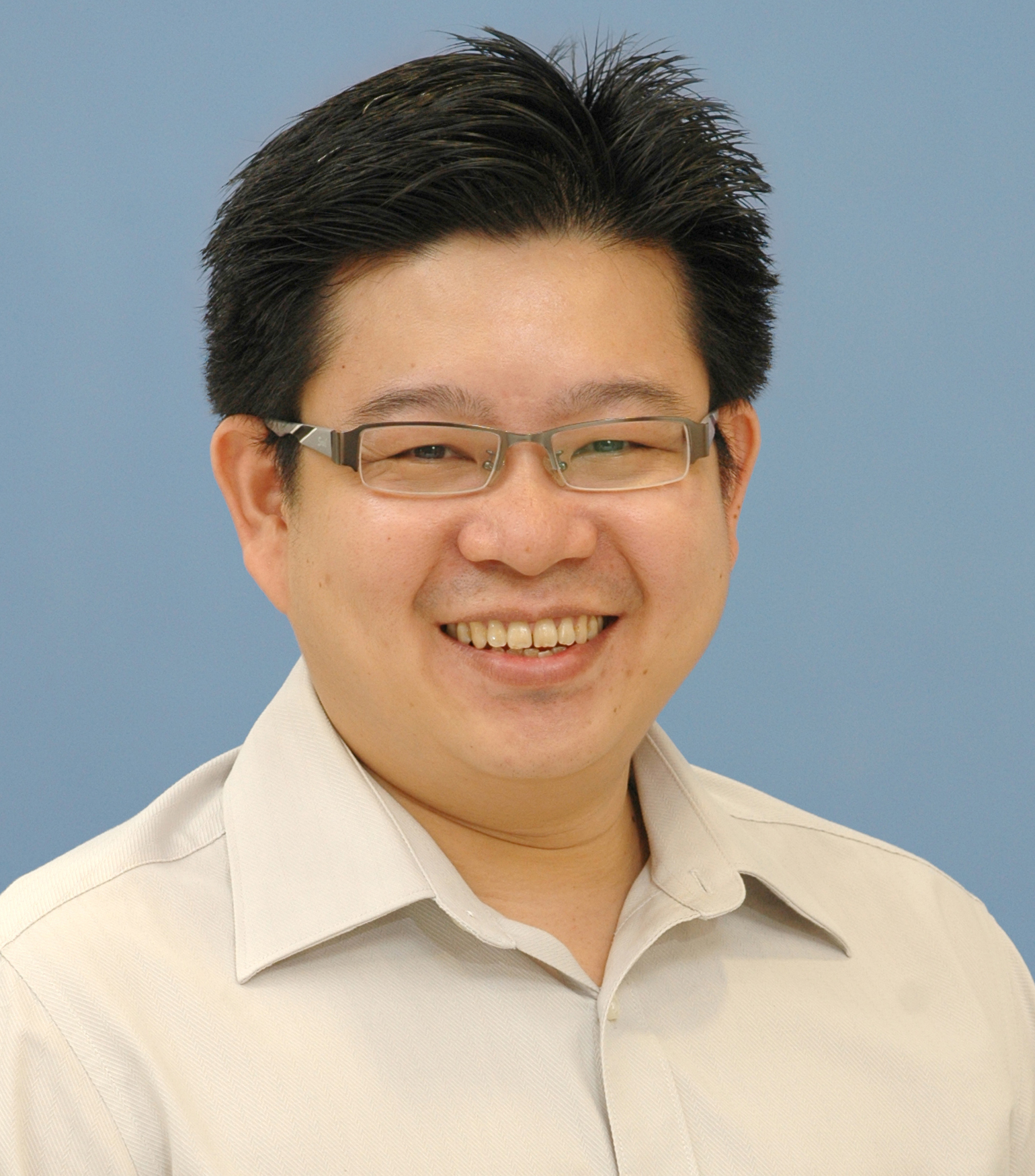 | Mr Ng Yong SimYong Sim has been with the Natural Sciences and Science Education (NSSE) Academic Group of NIE/NTU as a lecturer since 2016. He was also with NSSE AG/NIE/NTU as a Teaching Fellow for 3 years from 2011 to 2013. He received his Master of Education (MEd) and Postgraduate Diploma in Education (PGDE) with Distinction from NIE/NTU and BEng (Hons) from School of Electrical and Electronic Engineering from NTU. He was awarded NIE NEXUS Award (Team) in 2020 and NIE Excellence in Teaching Commendation Award in 2019 & 2023. Prior to joining NIE/NTU, Yong Sim was with the Ministry of Education (Singapore) where he taught in secondary schools between 2004 to 2015. Yong Sim held the position of Senior Teacher and has experience in mentoring teachers. He is committed to work involving Design & Technology (D&T) education in the secondary schools and shared his professional practices to many D&T teachers in numerous D&T sharing platforms. |