Good science isn't enough: the case for designing translation from day one
Professor Lim Kah Leong points to IP discipline, repeatable processes and partnerships built before the science is ready, and not after.
Fewer than one in ten drugs that show potential in preclinical testing ever make it to approved therapy — a rate that has barely moved in decades. The bottleneck is rarely the discovery itself. What compounds the problem is how seldom research teams are equipped, or incentivised, to contemplate translation until it is too late.
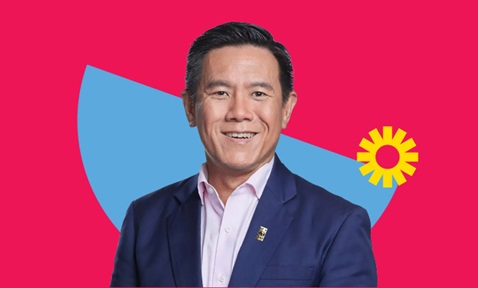
Professor Lim Kah Leong has spent much of his career asking why promising discoveries so rarely survive the journey from bench to bedside. As Associate Vice President of Research (Biomedical and Life Sciences) at NTU and President’s Chair Professor in Translational Neuroscience, and Director of Neuroscience and Mental Health Programme at NTU’s Lee Kong Chian School of Medicine (LKCMedicine), he has come to see the problem as less scientific than institutional — a gap in planning, IP discipline and partnership-building as much as anything in the lab.
Prof Lim observes that most biomedical researchers do have an end goal — to improve patient care. Yet academic incentives pull elsewhere. The drive to claim novelty, through conference presentations or early publication, can compromise IP before researchers realise what they have given away.
Beyond IP, Prof Lim applies a three-pronged test: can the science be reproduced across multiple labs? Can it be manufactured at scale? And is there real demand — clinicians with unmet needs, along with industry prepared to fund development?
When science gets lost in translation
When asked where university life-science projects most often stall, Prof Lim points upstream — well before validation debates or reimbursement questions.
The first issue is structural. Scientific reputation remains indexed to metrics — h-index, citations, journal impact factor — that favour novelty over utility. Promotion and tenure committees evaluate on these terms. Universities serious about commercialisation, he contends, need to revisit how they recognise translational work.
The second is experiential. Strong academics are often well outside their element when it comes to venture-building. There is a paradox here that Prof Lim finds telling: academics are trained to treat failed experiments as progress, yet the prospect of a failed startup — with its demand for time, money and public accountability — stops many of them cold.
Building proximity into the process
These upstream barriers fuelled Prof Lim’s motivation for establishing LKCMedicine’s Office of Innovation and Enterprise (OIE) in 2022 — designed to engage research teams early, and close enough to their work to tease out translational potential that might otherwise go unrecognised.
The primary touchpoint is OIE’s Innovation and Entrepreneurship clinics with faculty — regular engagements that give the office direct visibility into live research. When researchers see a credible route forward and have institutional backing behind them, Prof Lim finds they are far more willing to step into uncertain territory. Support includes grant pathways through the National Healthcare Innovation Centre, introductions to external mentors and connections into the broader ecosystem.
For investors, Prof Lim draws a deliberate distinction: the signal worth looking for is not just “demonstrable outcomes” but also “demonstrated outcomes” — a track record of turning strong projects into credible translational trajectories, repeatedly. LambdaGen Therapeutics, a spinout that OIE shepherded from early-stage collaboration through grant funding to investor introductions, is one illustration of what that looks like in practice. He also flags that getting science into society requires more than technical validation. Cost feasibility and social dimensions are part of the equation, and NTU’s breadth across colleges and schools means neither has to be outsourced.
Opportunities abound
He sees particular strength ahead in AI and health data analytics, a natural convergence of NTU’s capabilities across engineering, computing and medicine. Medical devices and precision therapeutics, supported by NTU’s sciences base and healthcare partnerships, represent another sustained area of opportunity for industry and investors.
“Academia–industry partnership is bilateral in nature. An effective entry point would be the provision of real-world problem statements for our research performers to solve. The potential solution would be best co-created together with the potential industry partner, for example via a hackathon. This will help align priorities and promote matching expectations,” adds Prof Lim.
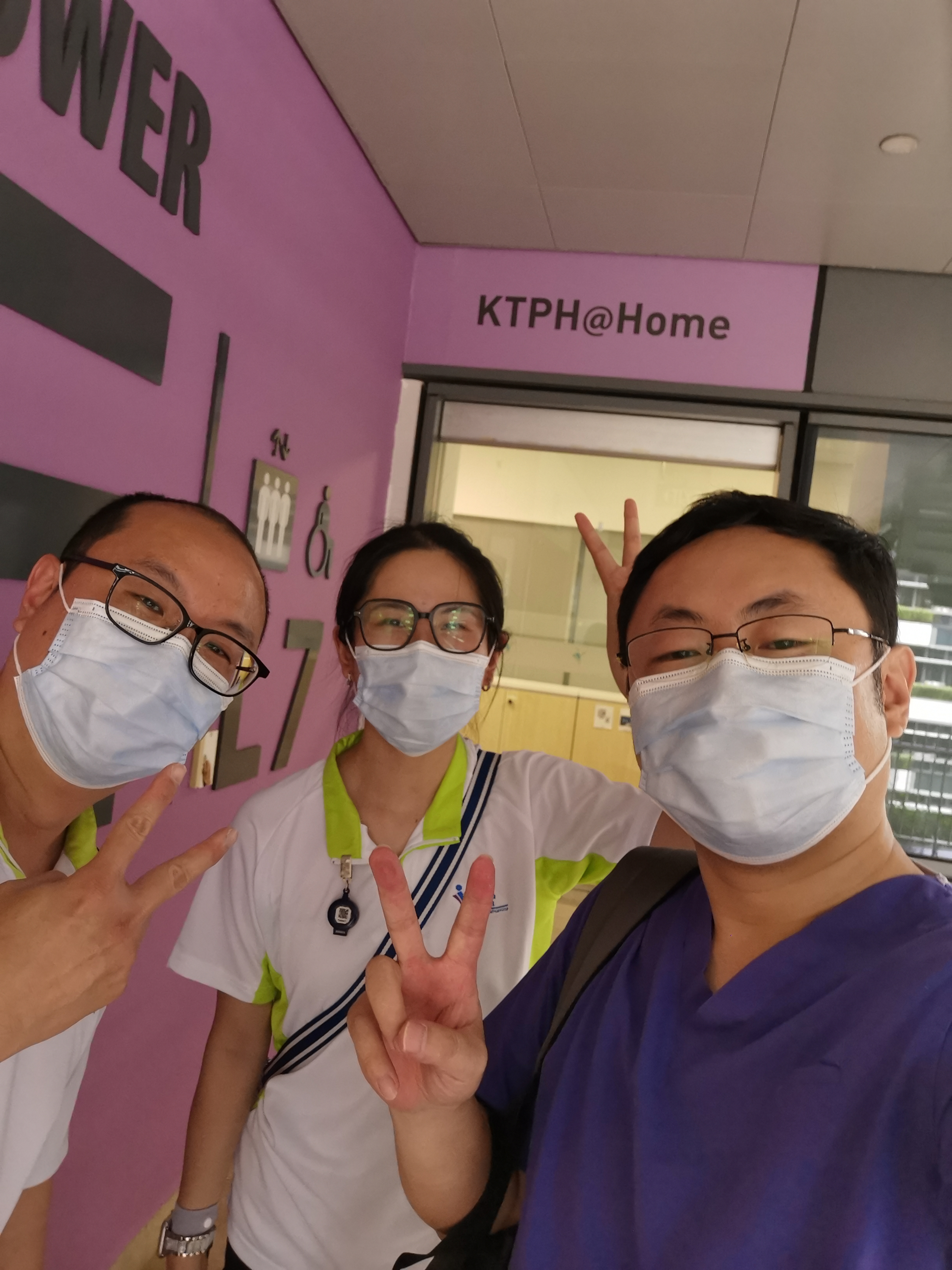 | 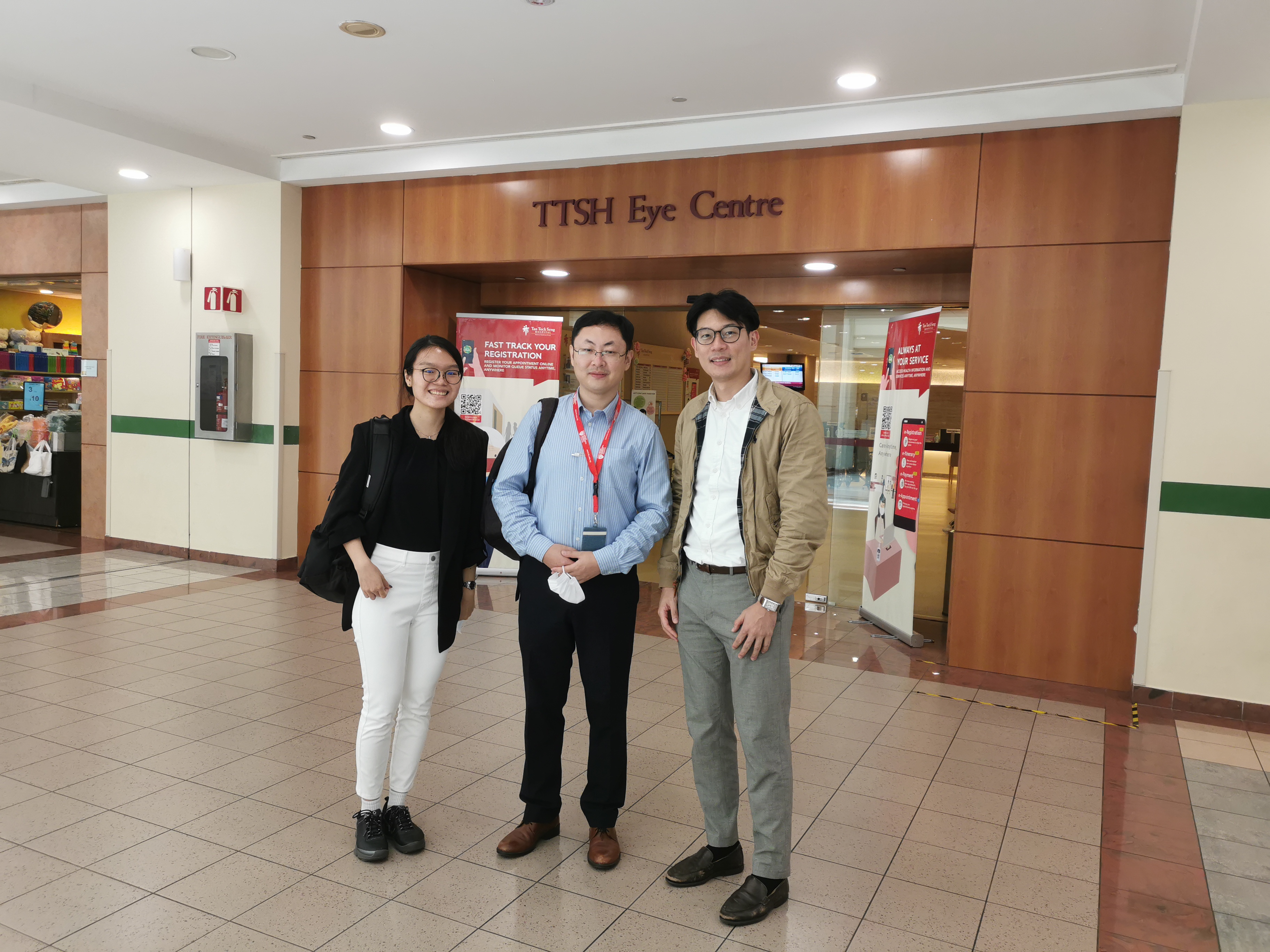 |
NTU faculty and students embedded with clinical partners through the Engineers in Scrubs programme initiated by Prof Lim — working at ground zero from day one to understand real-world problems and develop practical solutions for healthcare.
Read the full newsletter or subscribe to NTU I&E for the latest updates, events and programmes.