
Global Asia Research Centre Workshop on Asian Disruptors and Disruptions
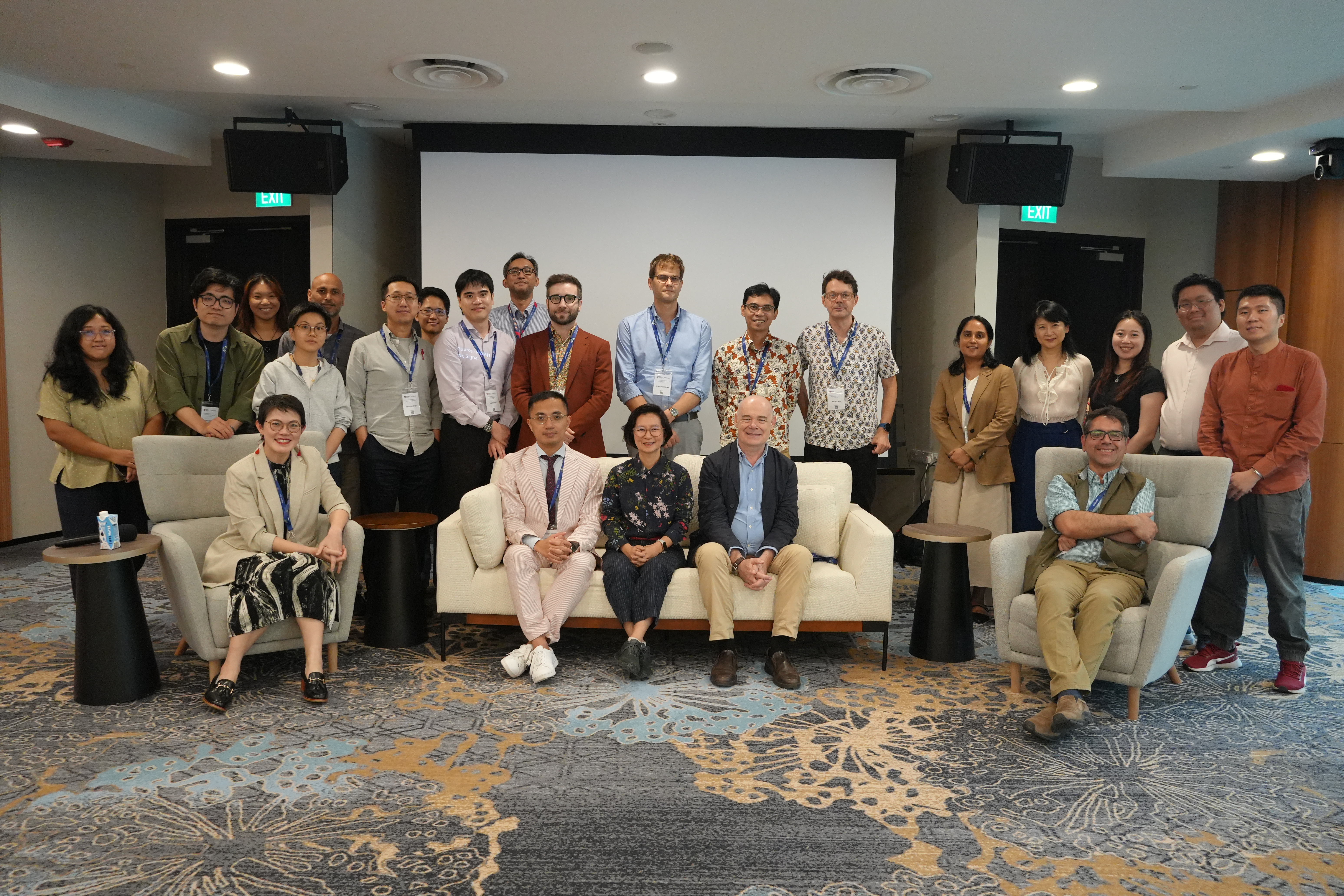
We live in times of rupture, of sudden upheavals that have challenged political regimes and established socio-economic orders across Asia, including mass protests in Indonesia, Myanmar, and Thailand and regime changes in Bangladesh, Nepal and Sri Lanka. On 17 April, the Global Asia Research Centre at NTU convened its first workshop, setting out to debate those changes from a broad regional and global comparative perspective. We invited a total of fourteen speakers to reconsider familiar narratives, draw connections across cases, and open new conversations about the region’s evolving political landscapes. The discussion was informal and exploratory by design, and we welcomed perspectives grounded in research, lived experience, creative practice, and professional engagement.
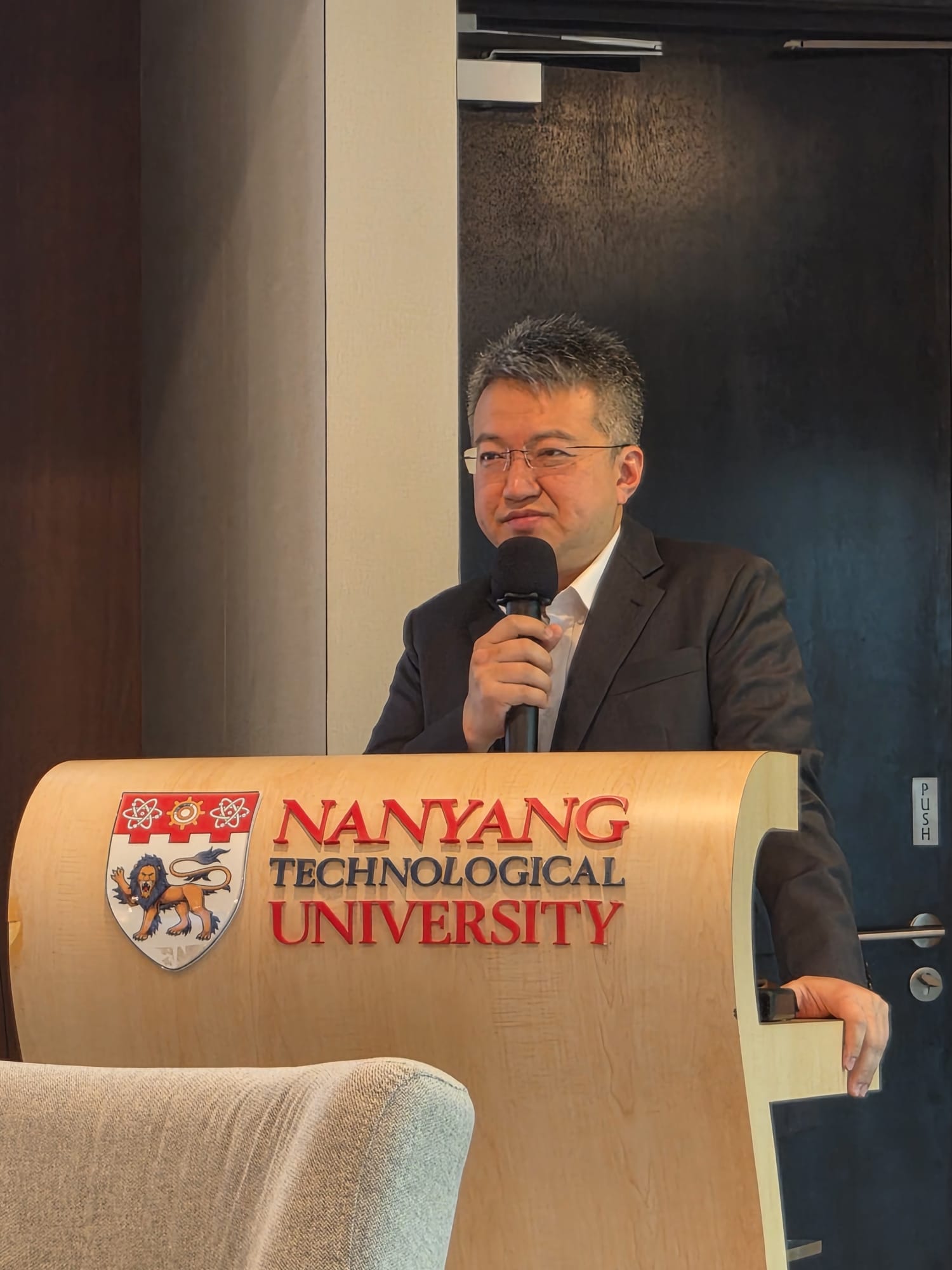
We started the day with some opening remarks from the Malaysian Deputy Minister of Finance, YB Liew Chin Tong, about the salience of generational contestation for Southeast Asia. He declared:
When we discuss disruptors and disruptions in Asia, there are three concerns that come to my mind:
First, what the disruptors tell their supporters in rallying support. At various times when crises result in strains in the societies and when protests and uprisings take place, the rallying points or what issues that rally those who oppose the establishment will have long term consequences on the paths these societies take after the furor subsides….
Second, what the disruptors do if they win and have to govern… There are endless stories of revolutionaries failing to govern and falling by the wayside. In government, it is important to build societal coalitions, to be able to get the bureaucracy to accept and implement the governing agenda, to govern for all and not for sectional interests, and at the minimum to hold things together and not to allow the government to fall apart. Stabilising the ship is a crucial part of healing post-disruption societies.
Third, a progressive government must articulate a solidarity agenda to deal with precarity, economic anxiety and economic insecurity, and how to build a better society.
Minister Chin Tong, a rare example of a practising politician who is also a serious thinker with wide-ranging intellectual interests, later wrote up his full remarks on his personal website – and they are well worth a read:
https://liewchintong.com/2026/04/17/societies-after-disruptions-solidarity-and-social-market/
We then moved into a discussion of recent upheavals in Nepal, Sri Lanka and Bangladesh – all examples of South Asian nations where massive protests have unseated entrenched politicians and led to regime change. Our second morning panel took a broader geographical view of ruptures in and beyond China, with particular reference to media and digital authoritarianism.
The afternoon began with a close look at three Southeast Asian nations that have experienced different modes of democratic rollback in recent years: Indonesia, Myanmar and Thailand, before moving to a further panel examining different ways of conceptualising such disruptions from the perspective of political theory.
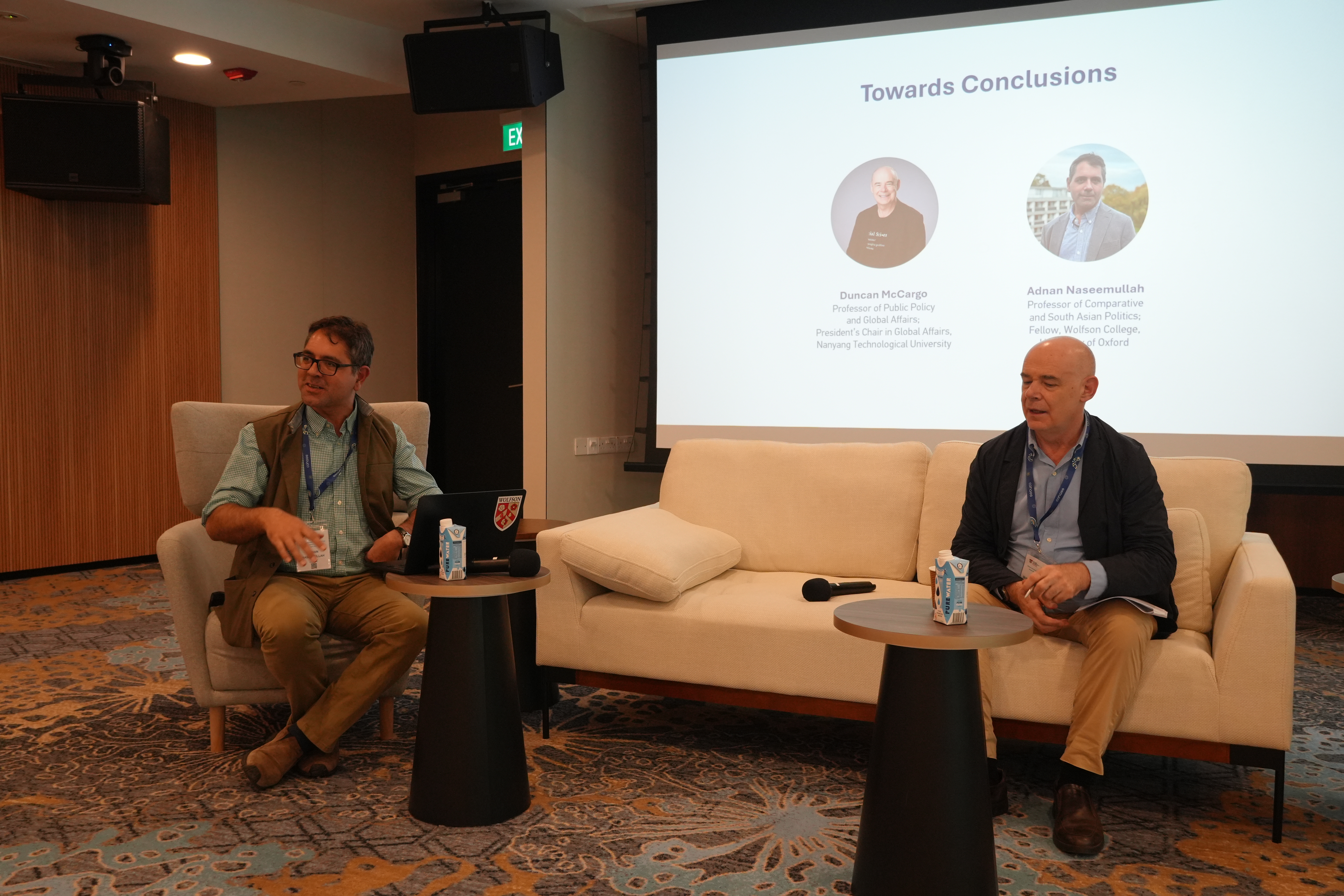
Two closing talks, one from Duncan McCargo (NTU) and another from Adnan Naseemullah (Oxford) pulled together key themes and arguments to illuminate our discussions. We plan to continue the conversations started at the workshop over the months and years ahead, convening in smaller groups and forums whenever we can. If you would like to become involved in the Asian disruptors’ and disruptions project, please contact duncan.mccargo@ntu.edu.sg
/ug-town-hall-(header-pic)_updated1.tmb-listing.png?sfvrsn=a0936bc_1)
749334c4-4609-4705-a4c3-e3100c93f512.tmb-listing.jpg?sfvrsn=a26bd855_1)
-(1200-x-720-px).tmb-listing.png?sfvrsn=cd745b16_1)
.tmb-listing.jpeg?sfvrsn=90daddd3_1)