A philosophy that spans years
NTU Lee Kong Chian School of Medicine's Prof Low Cheng Hock, the Emeritus Consultant in Surgery at Tan Tock Seng Hospital, has supported medical students through three funds spanning their journey from pre-med to early career.
Text: Sadia Roohi | Photos: Ho Zoan, Ng Zi Herng, Dr Jiang Haowen
For almost a decade, Prof Low has taken a long view of what it means to support the next generation of doctors. Since 2017, he has contributed close to S$228,000 to help students build confidence, develop leadership skills and prepare for life beyond medical school.
A surgeon and educator whose career at Tan Tock Seng Hospital (TTSH) spanned four decades, Prof Low has spent much of his professional life caring for patients and teaching the next generation of doctors. Today, he is Professor at NTU’s Lee Kong Chian School of Medicine (LKCMedicine) and Emeritus Consultant in Surgery at TTSH, where his influence extends beyond the operating theatre and into medical education.
His approach to giving is shaped by his own experience. Before his bursary from the Ministry of Health came through when he entered university, a teacher, Mr Henry Kho, personally loaned him his tuition fees. When Prof Low was a young medical doctor, a senior family physician, Dr Lee S.Y., gave him advice that has stayed with him ever since: volunteering and giving back to society should be a way of life.
“The next generation of healthcare workers must be better than us,” he says.
Before medical school
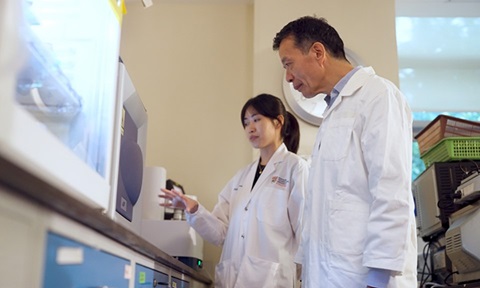
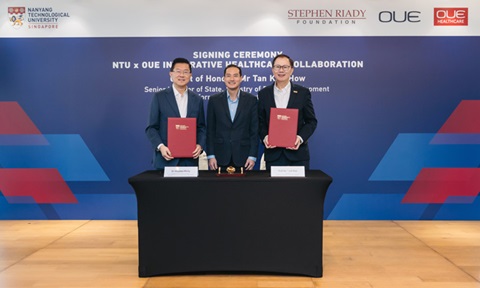
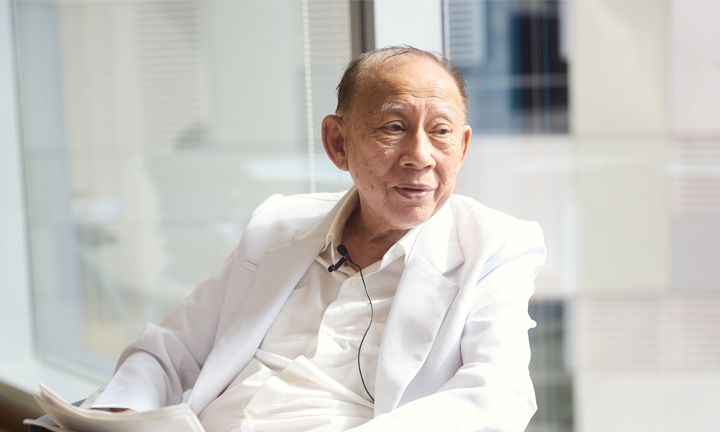 Prof Low Cheng Hock’s support for LKCMedicine students reflects his belief that the best medical education extends beyond the classroom and into a life of service.
Prof Low believes support should begin even before students decide on a career in medicine. That is why he backs the LKCMedicine Anatomy Challenge, which introduces junior college and polytechnic students to healthcare through anatomy and problem-solving, and doubles as leadership training for the NTU students who run it.
For the younger participants, the goal is different. "We also hope to develop among the junior college and polytechnic students an interest in healthcare, and learning how to source knowledge independently," he shares. "Perhaps some of them will discover an interest in healthcare and move into medicine, dentistry, pharmacy and allied health sciences."
Growing through medical school
Once students enter LKCMedicine, Prof Low's support takes two forms. The Low Cheng Hock Student Empowerment Fund backs student-led community and humanitarian projects, in the belief that leading a meaningful initiative builds qualities that extend beyond academic achievement. "Helping student-led projects will help to cultivate their leadership potential. And training in these projects will help to unleash the giants in them," he explains.
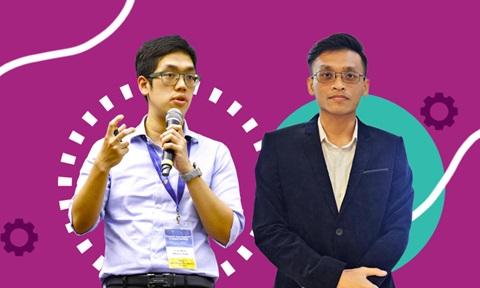
In 2026, the fund supported the LKCMedicine Freshman Orientation Programme, welcoming incoming Year 1 students and easing their transition into medical school. For LKCMedicine student Ho Zoan, who helped run it, the impact was clear.
"One of my biggest takeaways was seeing how much of a difference a supportive community can make to someone's first few days in medical school. Watching friendships form and seeing the freshmen grow more comfortable over the four days reminded me how meaningful these student-led events can be."
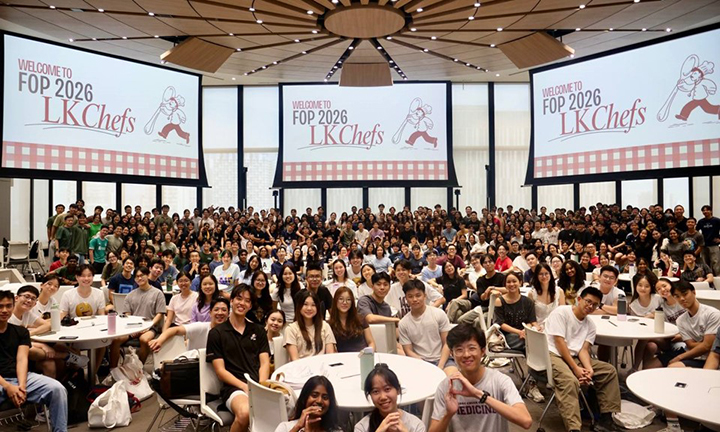 LKCMedicine’s Freshman Orientation Programme held in July 2026.
The fund has also supported students overseas. Project Songkeum, a student-led trip to Cambodia, brought health screenings, health education and vocational training to local communities – the kind of experience that broadened students' global awareness and left them more confident in turning ideas into action.
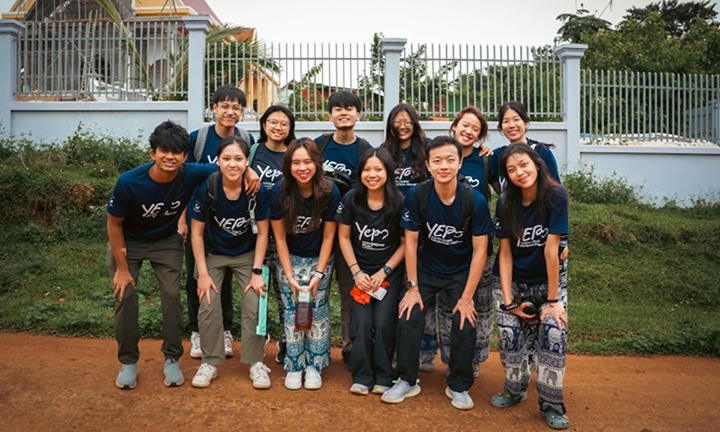 Project Songkeum team after three health screening days in Cambodia.
The Low Cheng Hock Gold Medal in Surgery recognises the top-performing student in surgery each year, though Prof Low is selective about what it should reward. "It is important to study and work hard, but also to live a balanced lifestyle," he says. "Study and work are important, but family, friends and colleagues are also very necessary and important. Have time to see the sunrise, sunset and hear the birds sing."
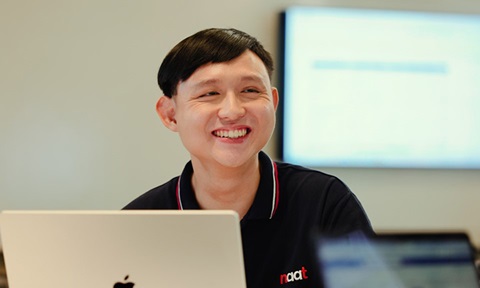
Gold Medal recipient Dr Jiang Haowen, who was tutored by Prof Low, saw in him an example of those same values. "I couldn't agree more with Prof Low about the importance of leading a balanced and meaningful life. Whilst many of us strive for excellence, it is important not to neglect other important aspects of our lives, such as our hobbies or loved ones. Having been tutored by Prof Low in Year 3 of my Medical School studies, I was inspired by his unwavering dedication towards service. At the same time, I was humbled by his humility and how down-to-earth he was," Dr Jiang shares.
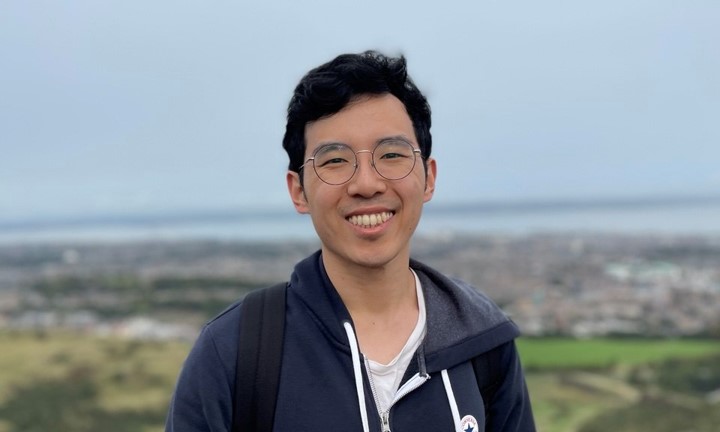 Dr Jiang Haowen was a recipient of the Low Cheng Hock Gold Medal in 2024.
A lifelong journey
Prof Low sees the three funds as one continuous pathway of support. "These programmes will help the students prepare for the phases of pre-med, medical school and into adult working life."
Across three funds and nearly a decade of giving, Prof Low returns to one idea more than any other: "Remember, the heart of medical education is an education of the heart."
For the students he has supported, his influence extends beyond financial assistance. As Prof Low puts it, "It is better to serve than to be served. It is greater to give than to take."