Across Generations, the Spirit of Computing Endures
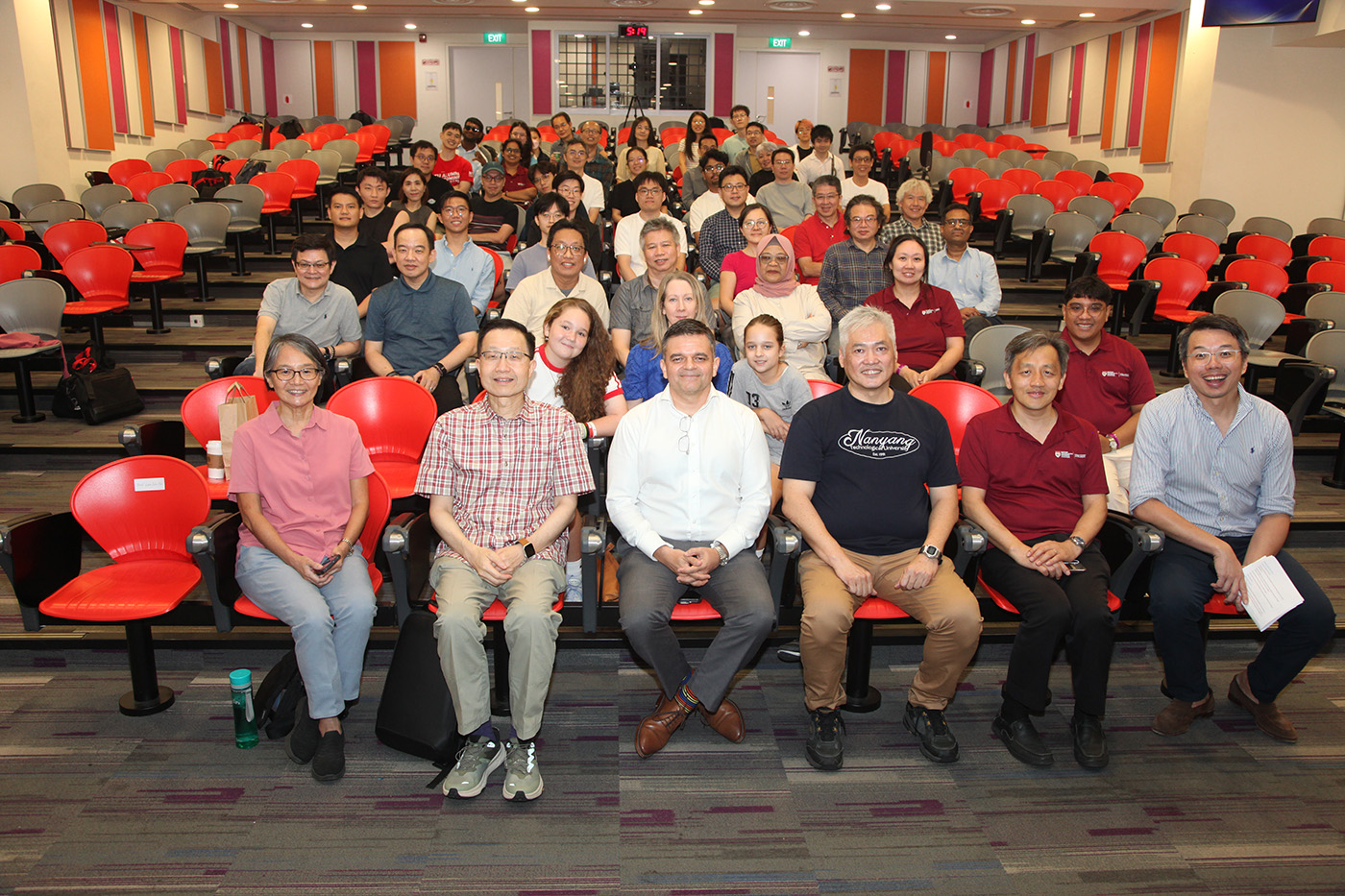
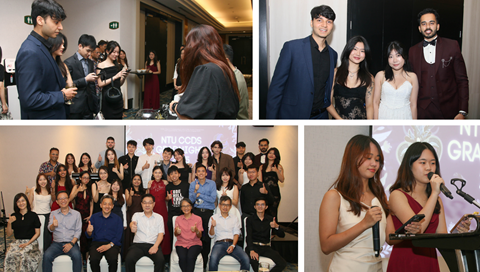
From the pioneer graduating class of 1992 to our newest graduates from the Class of 2026, CCDS Alumni Homecoming 2026 brought together more than three decades of NTU computing alumni.
Much has changed over those years. The World Wide Web had yet to enter everyday life when our earliest graduates left NTU. Today, our newest alumni enter a world in which artificial intelligence is increasingly part of how we work, learn and create.
Yet, as the conversations throughout Homecoming made clear, the foundations of a computing education remain remarkably constant: curiosity, adaptability, problem-solving and the willingness to keep learning.
In his welcome address, CCDS Dean Professor Luke Ong reflected on the rapid advances in AI and what they mean for computing education. AI, he emphasised, is a powerful multiplier of human capability – but it is still a tool. Students must learn not simply to use it, but to direct it, critique its outputs and verify its work. In an age of increasingly capable technology, strong fundamentals and the ability to think independently matter more, not less.
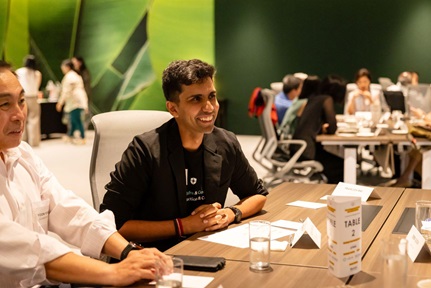
These ideas also emerged during the alumni panel, which brought together perspectives ranging from more than 30 years in the profession to just several months beyond graduation. Their experiences may have spanned different eras, but their advice converged: chart your own path, stay curious and never stop learning. It is often at the intersection of technology and human experience that the most interesting – and meaningful – work happens.
The afternoon also marked the official launch of the Harcharan Singh Benevolent Bursary, established in memory of the founding Dean of the School of Applied Science – the earliest predecessor of today’s CCDS.
In a moving reflection, his son Kiron Chahel Singh spoke about his father’s commitment to hard work, education and creating opportunities for students from all backgrounds. He also shared a characteristically practical reminder that Professor Singh would probably have offered amid today’s excitement about AI: work on your “real intelligence” first, and everything else will follow.
By a fitting piece of serendipity, the bursary was launched on what would have been Professor Singh’s 85th birthday – a meaningful tribute to an educator whose vision continues to shape generations of computing graduates.
Technology will continue to evolve. The tools will change, and entirely new possibilities will emerge. But the qualities that equip our graduates to navigate that change – curiosity, sound judgement, adaptability and a commitment to lifelong learning – will endure.