Research Reveal: Air Pollution Supercharges Storms in Southeast Asia
CCEH research reveals how pollution and climate change intensify storm in SEA, shaping the future of weather forecasting and regional resilience
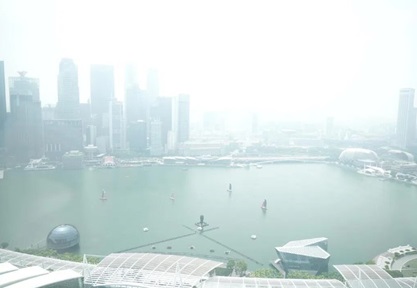
Our team at the NTU Centre for Climate Change and Environmental Health (CCEH) has uncovered how air pollution is intensifying storms across SEA, adding a new dimension to how we understand the region’s changing climate.
Featured in The Straits Times, our recent study examines the combined effects of air pollution and climate change on storm activity by analyzing 10 years of satellite and weather data. We found that polluted storms can produce up to 50% more rainfall and up to 27% more lightning compared to storms in cleaner environments. The double impact of climate change and air pollution is making storms stronger and more widespread.
“Understanding these interactions is essential to improve weather forecasting and protect communities,” said Professor Steve Yim, Head of CCEH. We also found that raindrops in polluted areas are up to 1.8 times larger, which may increase flooding potential and create more breeding sites for mosquitoes — raising public health risks such as dengue transmission.
Building on these findings, our team is developing AI-based rainfall forecasting models that include the influence of aerosols — an important step toward more accurate and timely weather prediction in Southeast Asia.
This work by our CCEH research team provides insights to bridge climate science, air quality, and health research, informing policies and strengthening resilience across the SEA region in the face of a changing climate.