
Max Planck – NTU Singapore Centre for Biocultural Worlding Launched at CoHASS
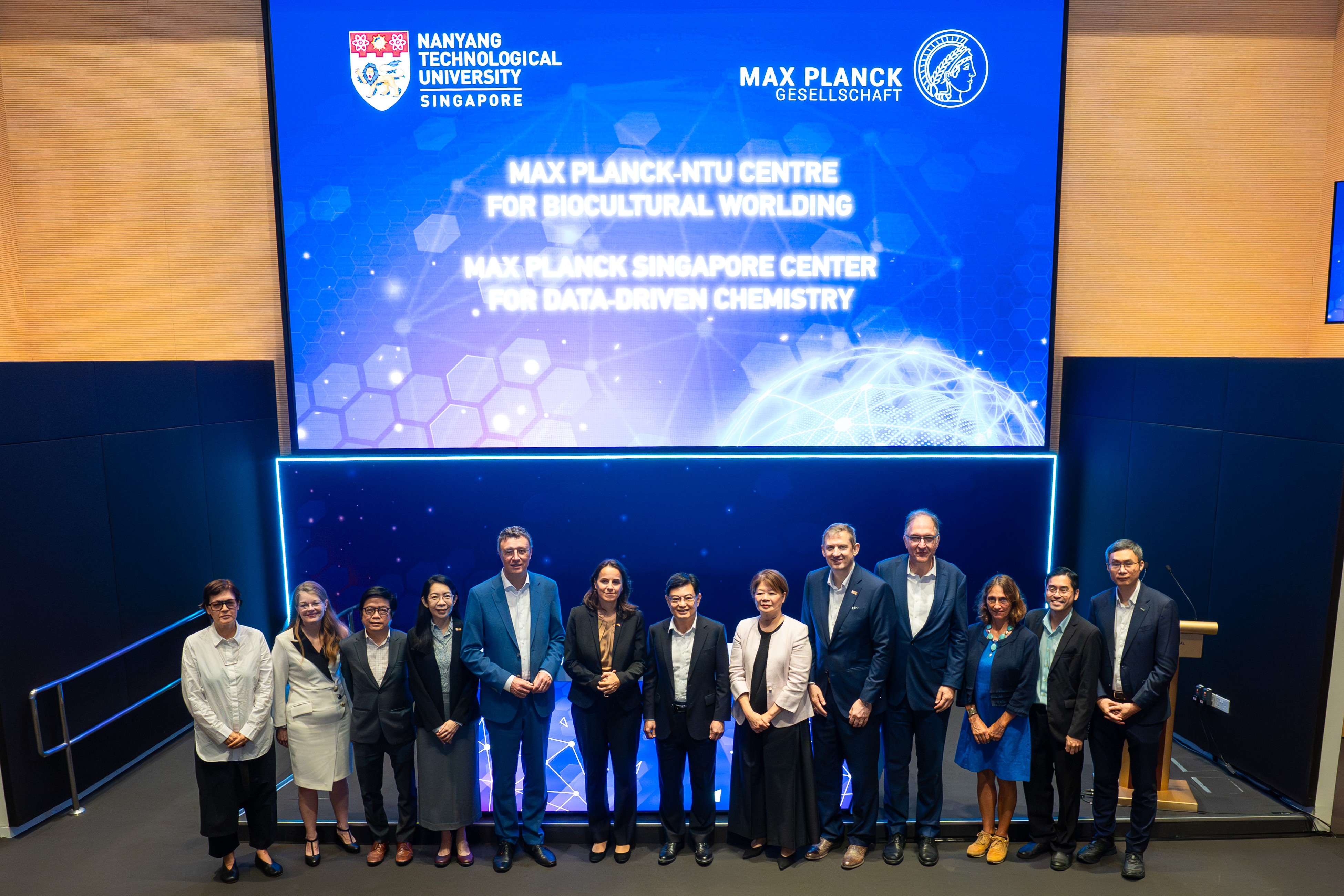
NTU Singapore has marked a major milestone in interdisciplinary research with the launch of its first two Max Planck Centres in Southeast Asia, in partnership with the Max Planck Society (MPG), Germany. Among them is the Max Planck – NTU Singapore Centre for Biocultural Worlding (CBCW), which is housed at NTU’s College of Humanities, Arts and Social Sciences (CoHASS) and represents a significant commitment to humanities‑led, cross‑disciplinary inquiry into the future of life on our planet.
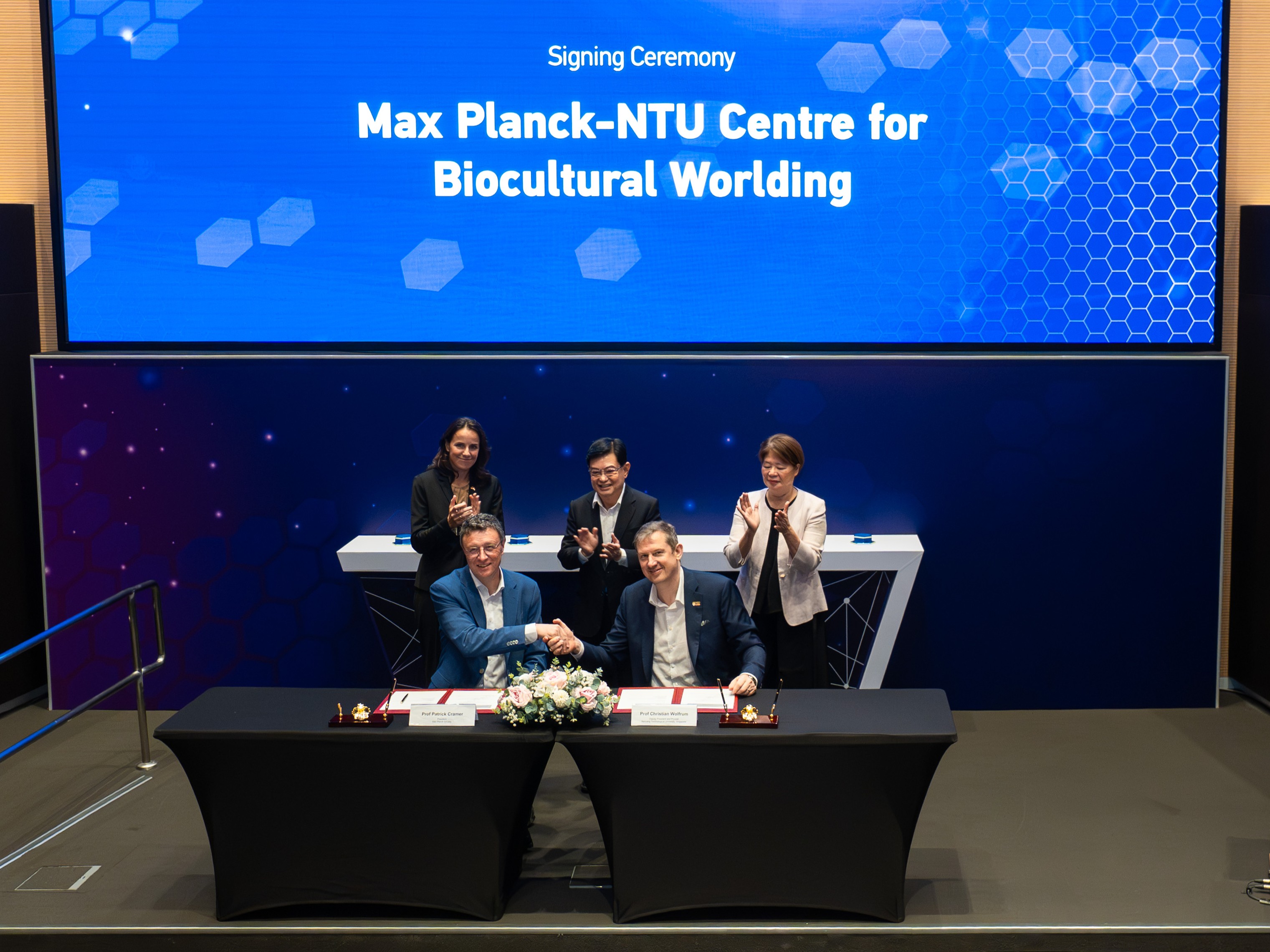
The CBCW was initiated by NTU Centre for Contemporary Art Singapore (NTU CCA Singapore) in collaboration with the Max Planck Institute for the History of Science (MPIWG) in Berlin, and will be jointly directed and overseen through this transnational partnership. Bringing together scholars, artists, curators, legal researchers and knowledge‑holding communities, the Centre focuses on the deep and often overlooked connections between biological diversity and cultural life—how nature and human cultures shape, sustain and transform one another.
At its core, the CBCW asks how people and other beings live, act and create meaning in a shared world. Drawing on perspectives from the humanities, natural sciences, arts and Indigenous knowledge traditions, the Centre examines how the loss of a language, the disappearance of a species or the erosion of a cultural practice are frequently interconnected. By understanding these entanglements, the Centre seeks to develop more holistic and inclusive ways of responding to environmental, social and cultural change.
The Centre’s work aims to advance new frameworks for thinking about humanity’s relationship with the natural world—frameworks that recognise diverse ways of knowing and long‑standing practices of care, coexistence and sustainability across different communities. In doing so, the CBCW also foregrounds questions about how knowledge itself is produced: who participates in research, how knowledge is shared and attributed, and how it can be sustained responsibly across generations and geographies.
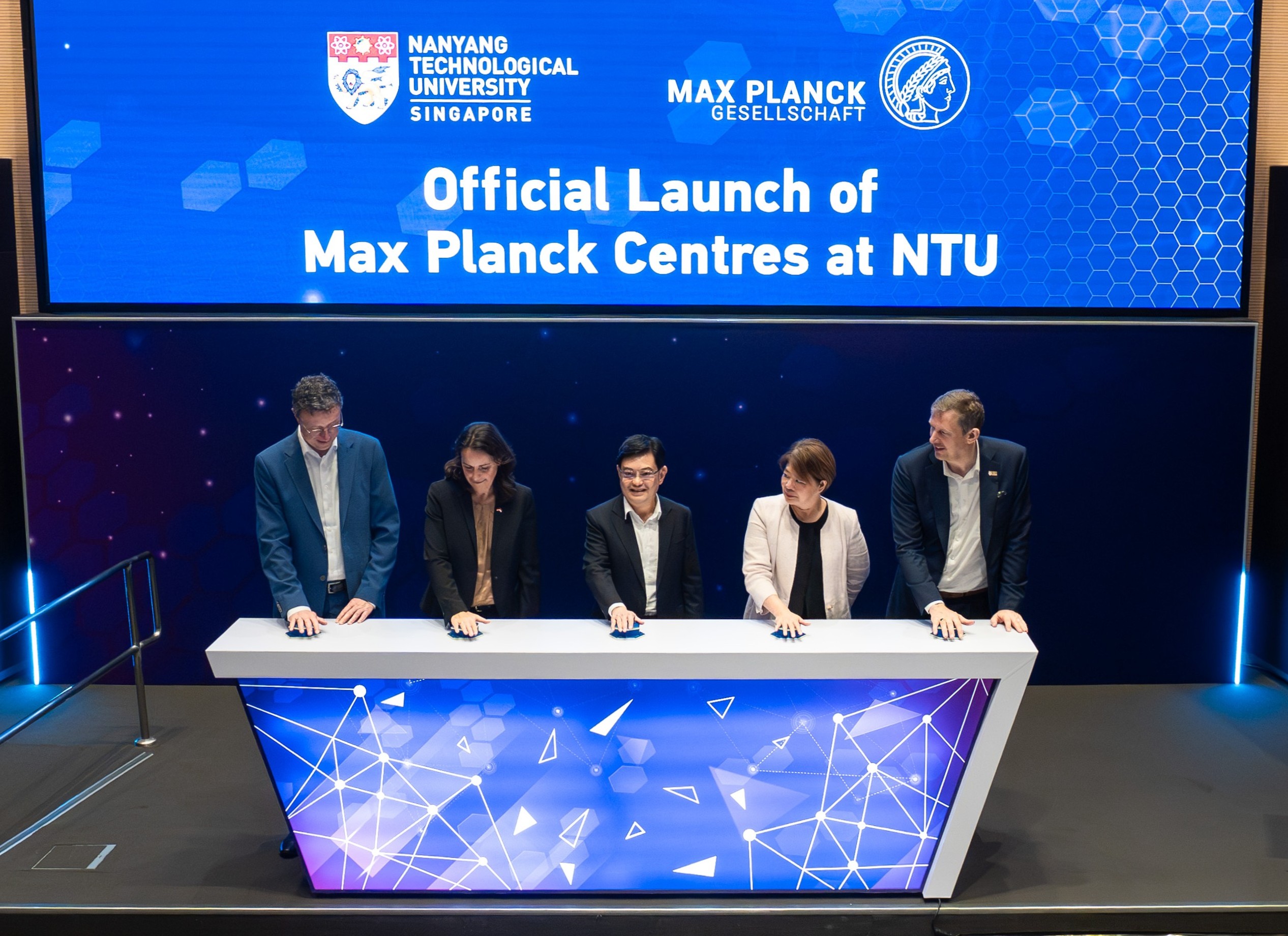
The CBCW was launched alongside the Max Planck – Singapore Centre for Data‑Driven Chemistry, reflecting NTU’s distinctive strength in interdisciplinary research spanning the sciences, engineering and the humanities. Both centres were officially launched at an event held on the NTU campus, graced by Guest of Honour Mr Heng Swee Keat, Chairman of Singapore’s National Research Foundation. Together, the two centres signal a deepening collaboration between NTU and the Max Planck Society, and underscore Singapore’s growing role as a key research partner in Asia.
For CoHASS, hosting the CBCW highlights the central role of the humanities and arts in addressing urgent global challenges—from biodiversity loss to climate change, cultural resilience and social transformation. By fostering collaboration across disciplines and borders, the Max Planck – NTU Singapore Centre for Biocultural Worlding positions CoHASS as a vital hub for re‑thinking what it means to live responsibly in an interconnected world.
To read the fuller story on both Centres at NTU, please follow this link: https://www.ntu.edu.sg/news/detail/ntu-home-to-first-two-max-planck-centres-in-southeast-asia
/ug-town-hall-(header-pic)_updated1.tmb-listing.png?sfvrsn=a0936bc_1)
-(1200-x-720-px).tmb-listing.png?sfvrsn=cd745b16_1)
.tmb-listing.jpeg?sfvrsn=90daddd3_1)
/prof-theng-yin-leng.tmb-listing.jpg?sfvrsn=a2dd6a79_1)
.tmb-listing.png?sfvrsn=dedc1d87_2)