Zambia makes history by accepting mining taxes in RMB
Decision adds momentum to the use of Chinese currency for trade in Africa
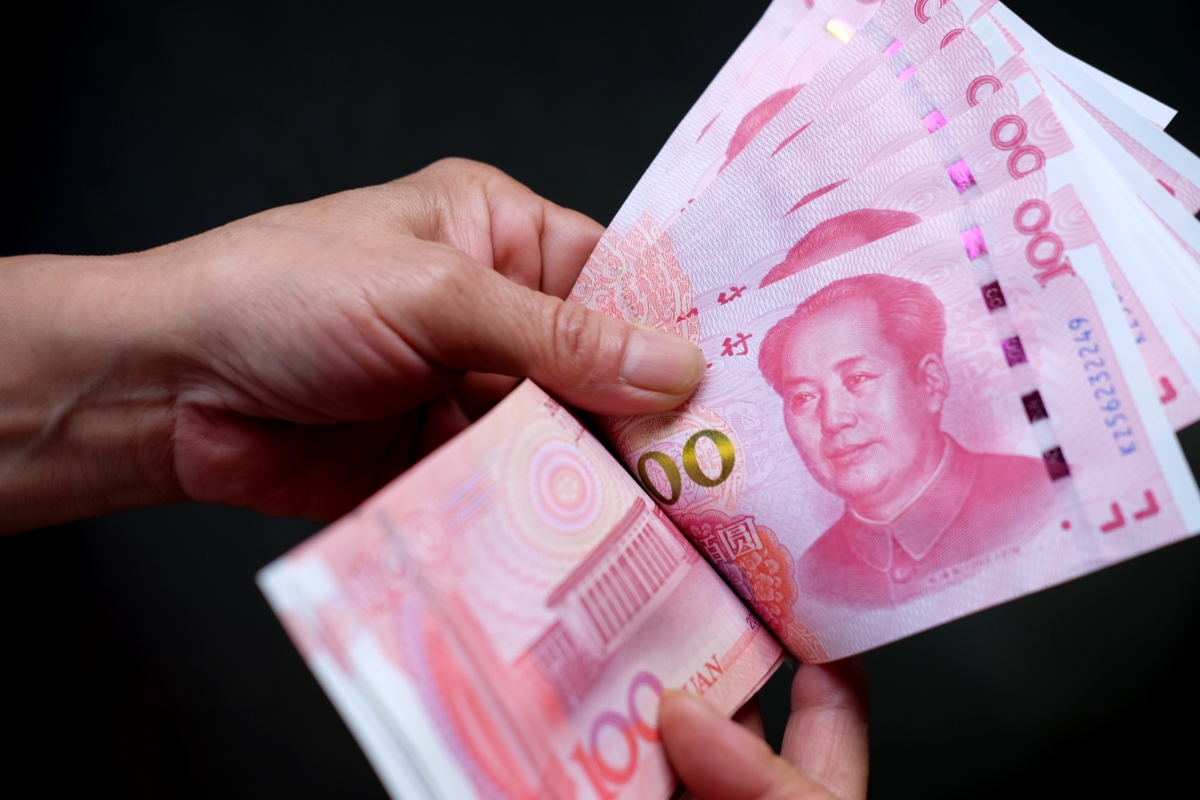
The Chinese currency yuan (RMB) is gaining traction in Africa. Zambia has become the first African nation to officially accept mining taxes in yuan. The sector has a strong and growing Chinese presence, with major investments across copper mining, processing, and related infrastructure. This follows Kenya’s decision to service debts in RMB and similar discussions in Ethiopia.
African countries with substantial Chinese debt that are beginning to adopt the use of RMB to settle payments with China. Kenya announced last year that it would convert dollar loans used to fund a standard gauge railway into the Chinese currency. The railway, linking the port of Mombasa to Nairobi and on to Naivasha, was financed by three loans totalling US$5bn from the Export-Import Bank of China. As of June 2024, about US$3.5bn was still unpaid. Similarly, Ethiopia initiated talks last year with lenders, including China Eximbank and the People’s Bank of China, to swap a portion of its US$5.38bn debt into yuan.
The use of yuan by sovereign African states reflects economic pragmatism rather than a bid to supplant the dollar. In Zambia, where China accounts for 20% of imports, accepting mining payments in yuan allows the government to match revenues with China-linked outflows, bypassing the need to route every transaction through the dollar. The central bank also notes that maintaining yuan reserves offers a more cost-efficient way to service debts to China, the country’s largest bilateral creditor.
Kenya’s pivot is similarly driven by the surging cost of its railway financing due to rising interest rates. Two of the loans had interest rates set at 3% and 3.6% above the US market rate. When five-year grace periods expired in 2019-20, total interest costs sat at roughly 4%; by 2023, the burden had more than doubled. Converting the obligations into yuan shifts the loans onto China’s lower rate of 3%. Together with extended repayment timelines, the move is projected to save the treasury US$215m annually. Ethiopia stands to gain from a similar arrangement, with a potential swap cutting its rate from 7.25% to 3%.
As trade between China and Africa balloons to US$295bn (2024) the case for trade to be conducted in the Yuan/RMB become increasingly evident. Although hard data on African settlements in yuan is still not available estimates from various sources suggested that it is likely to be over US$11bn. South Africa, Zambia and Mauritius have created RMB clearing banks and alternative settlement systems. In 2015 China itself launched the Cross-Border Interbank Payment System (CIPS) to promote the use of yuan/RMB usage in international trade. It is essentially an alternative to the widely used Swift international payments network. The African Export-Import Bank (Afrieximbank) and the Johannesburg-based Standard Bank joined CIPS earlier this year. Access to CIPS would facilitate direct interbank payments between Africa and China in yuan. The ability to process transactions in a single currency removes the need for intermediaries and currency conversions, potentially reducing settlement times and transaction costs. This is expected to improve the overall efficiency of trade between China and Africa.
References
'Kenya snags $215 million saving after Chinese loan currency swap', Bloomberg, 07 October 2025
'Why Kenya’s swap from US dollar to yuan matters', South China Morning Post, 12 October 2025
'China's global goal for yuan boosted by Ethiopian hopes for loan currency swap', South China Morning Post, 23 October 2025
'Kenya’s conversion of Chinese debt to renminbi reflects economic pragmatism more than strained US ties', Chatham House, 05 November 2025
'Chinese mining companies in Zambia start paying taxes in yuan', Bloomberg, 31 December 2025
'Zambia accepts mining taxes in yuan', Semafor, 05 January 2026
'China’s shadow in copper: Zambia’s case for yuan mining tax payments', Zambia Institute for Policy Analysis and Research, 08 January 2026
'China’s Africa lending nearly halved in 2024, shifts to yuan', Reuters, 22 January 2026