Tolaram expands Guinness presence in northern Nigeria
The iconic Irish brand reported a return to profit under its new Singapore owner
 Photo source: Diageo
Singapore-based Tolaram has grown Guinness Nigeria’s presence in the country’s north after acquiring a majority stake in the brewer from British drinks group Diageo last year. The firm has widened its distribution network into several northern states that were considered no go zones by the previous owner.
Under Diageo sales of Guinness Nigeria were limited only as far north as the capital Abuja. The northern region’s predominantly Muslim population limits demand for alcoholic drinks, but under Tolaram’s ownership the company’s non-alcoholic malt beverages - including Malta Guinness and Dubic Malt have gained strong traction. Guinness Nigeria now has distributors in insurgency hit northern states of Borno, Zamfara and Sokoto where alcohol consumption is relatively limited.
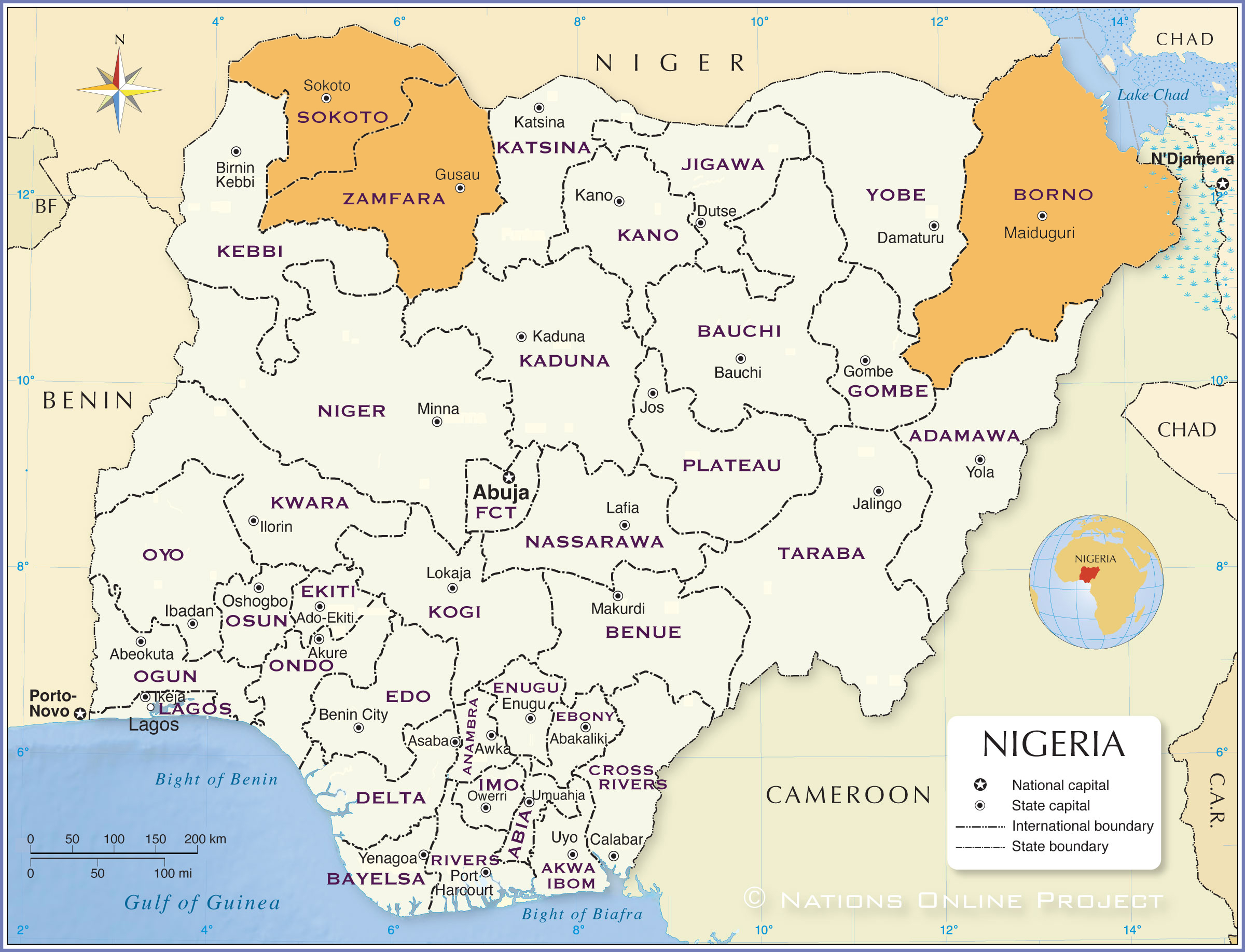 Photo source: Nations Online Project
Tolaram has operated in Nigeria for several decades. It started as an importer of consumer goods and, in the 1990s, invested in Nigeria’s first instant noodles manufacturing facility. Over the years, Tolaram has formed joint ventures with several multinationals in Nigeria, including Kellogg’s, Danish dairy company Arla Foods, and Colgate-Palmolive. It has also entered the infrastructure sector through the establishment of the Lagos Free Zone and the Lekki Deep Sea Port.
In 2024, Tolaram acquired Diageo’s 58.02% stake in Guinness Nigeria, which manufactures and distributes a range of beer and spirits brands. This year, it increased its shareholding to just under 71% by buying out minority investors.
Guinness was one of the many foreign brands to have been adversely affected by the steep fall in the value of the Nigerian naira. The costs of its imports rose and the scarcity of US dollars in the market made it difficult to repay loans.
After taking office in May 2023, President Bola Tinubu ended the previous system of trying to control the currency’s value and moved to a more open, market-driven regime. The shift triggered a sharp depreciation that continued through the following year, with the naira eventually sliding to record lows of over NGN 1,600 to the US dollar in 2024. Tinubu also scrapped a longstanding fuel subsidy, which led to a steep rise in fuel prices.
Both the currency’s depreciation and the jump in fuel prices fed into sharply higher inflation, leaving consumers under severe pressure. Average annual inflation reached 24.66% in 2023 and rose further to 33.24% in 2024, the highest level in nearly three decades.
The Nigerian economy has recently shown signs of stabilisation. Inflation fell for the seventh consecutive month to 16.05% in October 2025, its lowest level since March 2022. The stabilisation of naira, which has been trading at NGN 1,450 to the dollar in late November 2025,has helped Guiness return to profit. The firm reported a NGN 26.3bn ($18.07m) profit in the 15 months to September 2025, following a loss the previous financial year.
References
‘Diageo’s Nigerian arm to stop importing Johnnie Walker amid shortage of foreign exchange’, Brauwelt International, 27 October 2023
'From stout to sour', SBM Intelligence Medium, 01 February 2024
'Guinness Nigeria reports strong performance for the fifteen months ended September 2025', Guinness Nigeria, October 2025
'Tolaram’s Guinness expands footprint to northern Nigeria after Diageo exit', The Africa Report, 17 November 2025
'Nigeria's headline inflation falls 16.05% in October', CNBC Africa, 17 November 2025
'Nigeria: Inflation rate from 2008 to 2030', Statista, Accessed on 21 November 2025