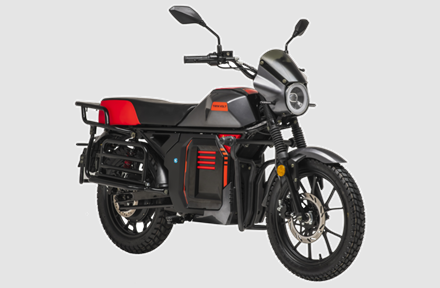
Spiro raises US$100m to expand electric motorbike network in Africa
Motorbikes form the backbone of urban transport in many African cities
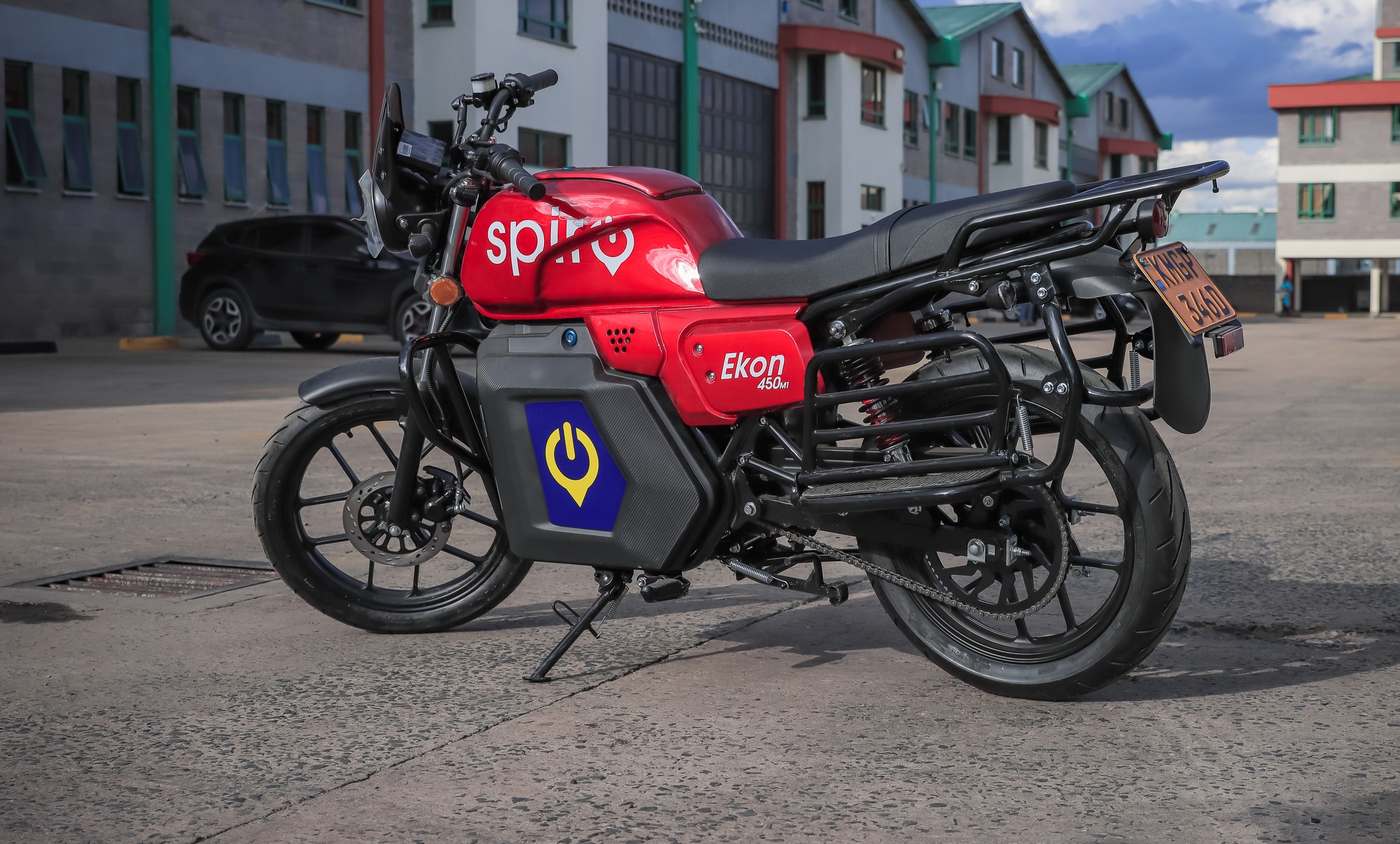 Photo source: Spiro Kenya
Spiro, a Benin-based electric motorbike company founded by Indian entrepreneur Gagan Gupta, has raised US$100m to accelerate its expansion across Africa. The money will be used primarily to extend the network of battery-swapping stations, where riders exchange depleted batteries for fully charged ones – a model designed to overcome two of the biggest barriers to electric vehicle adoption on the continent: high upfront battery costs and limited charging infrastructure.
Gagan Gupta, the CEO of Dubai-based Arise, an Africa-focused infrastructure developer, founded the company in 2019 under the name M Auto Electric, and rebranding it as Spiro three years later. Starting out first in Benin and Togo, the firm has expanded into Kenya, Uganda, Rwanda, Nigeria, and recently launched pilot programmes in Tanzania and Cameroon.
Motorcycles are a mainstay of urban transport in many African cities, where passengers often rely on motorbike taxis for daily travel. Spiro has deployed more than 60,000 electric motorbikes and operates about 1,200 battery-swapping stations across Africa. Although much of the kit is manufactured in China, Spiro assembles it in Uganda, Kenya, Nigeria and Rwanda. The largest facility in Kenya has a production capacity of 50,000 bikes per year, with plans to scale to 100,000 units annually. Centre Director Amit Jain test drove the Spiro during his visit to Nigeria in Jun 2025. Its flagship model, the EKON 450M1, offers a range of up to 80 km and speeds under 85 km/hr. In Nigeria the model costs N1440000 (US$938) and has proved to be popular.
The latest funding round – said to be the largest yet for an electric mobility company in Africa – includes US$75m from the Fund for Export Development in Africa, the development impact investment arm of the African Export-Import Bank. Spiro has previously raised more than US$180m in debt and equity from Gupta’s Equitane investment firm and Société Générale.
A cornerstone of Spiro’s strategy is its battery-as-a-service model. The company retains ownership of the batteries and operates automated swap stations located at petrol stations, shopping centres and even religious institutions, earning revenue each time a rider collects a fully charged battery.
Although Spiro is the leading electric bike in Africa it faces competition from a wave of electric mobility start-ups across Africa. Ampersand, founded in Rwanda in 2016, has expanded to Kenya and recently raised new funding from British International Investment and venture capital backers to grow its fleet and charging network. In Ethiopia, Dodai – supported by Japanese investors – has established a local manufacturing plant and is also seeking to build a network of charging facilities. Meanwhile, Roam, a Swedish-Kenyan manufacturer, raised US$24m earlier this year to scale up production of electric motorcycles and buses at its Nairobi base. Chinese technology company Transsion, best known for its dominance in Africa’s smartphone market, has also entered the electric two-wheeler segment through its TankVolt brand, launched in Uganda in 2023 and now expanded to Nigeria, Kenya, Tanzania and Ethiopia.
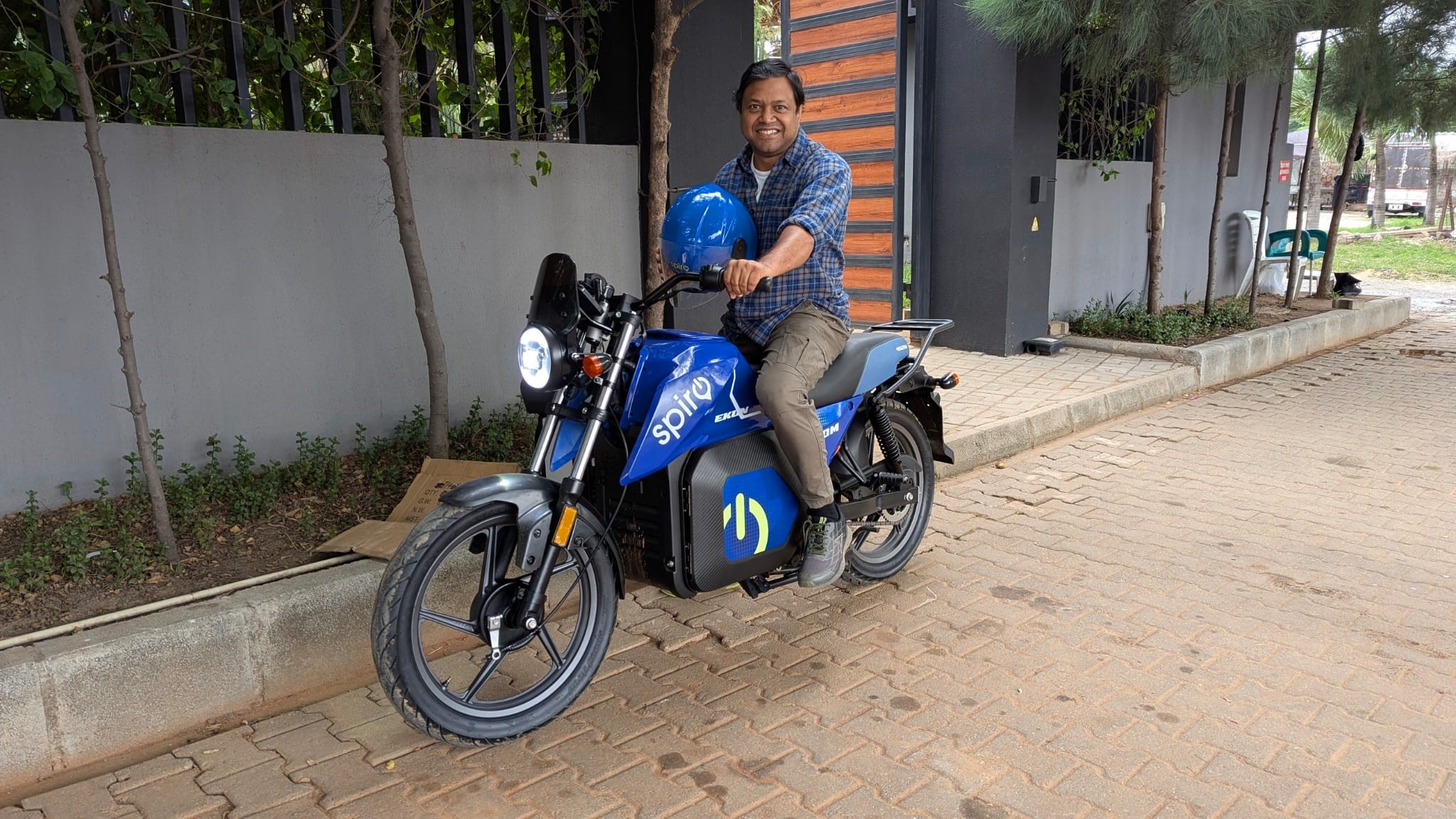 Director of NTU-SBF Centre for African Studies Amit Jain test drives a Spiro bike in Nigeria.
The African two-wheeler market is expected to cross US$5bn by 2027. Annual motorbike sales in Africa are forecast to rise from 1.9m units in 2023 to 2.3m by 2030. Governments are increasingly using policy to accelerate the shift towards electric models. In Rwanda, rules that took effect on 1 January 2025 prohibit the registration of new petrol-powered motorcycles for commercial use in Kigali. Kenya has opted for incentives, scrapping VAT and cutting import duties on electric bikes to make them more affordable. Ethiopia has gone a step further, banning the import of petrol and diesel vehicles altogether, paving the way for greater uptake of electric two-wheelers.
As African governments push for electrification, market forces are starting to align. Lower battery prices, high fuel costs and growing swap-station networks are making electric motorcycles increasingly viable. Financing and leasing schemes are widening access, and better model choice and spare-parts availability are helping the sector gain traction among riders.
References
'Putting 10,000 EVs on African roads, the hard way', Rest of World, 31 January 2024
'TIME100 most influential companies 2024', Time, 30 May 2024
‘Roam secures US$24m in funding to accelerate electric mobility solutions in Africa’, Roam, 10 February 2025
'Revolutionising electric mobility in Africa: The Spiro story', CreativeGeeks Group, 28 March 2025
'The grid is weak. The bikes are electric. Rwanda is betting it'll work anyway', BBC, 09 May 2025
'Transsion wheels into Africa’s EV market with same playbook that conquered mobile phones', Rest of World, 10 June 2025
'From phones to e-bikes: China’s Transsion targets Africa’s mobility sector', China Global South Project, 18 June 2025
'Rwanda EV wave gathers momentum after policy shift', CNBC Africa, 31 July 2025
'Electric motorbike firm Ampersand closes funding to scale operations', Africa Private Equity News, 13 August 2025
'Ethiopia’s fuel vehicle ban tightens as diesel, gas trucks face import blacklist', Business Insider Africa, 04 October 2025
'Spiro raises $100M, the largest-ever investment in Africa’s e-mobility', TechCrunch, 21 October 2025
'Spiro raises $100 million in Africa’s largest-ever investment in electric mobility', Spiro, 21 October 2025
'What it takes to build an EV company in Kenya from scratch', TechCabal, 21 October 2025
'Africa’s electric 2-wheeler revolution', Novastar Ventures, Accessed on 27 October 2025
'About', TankVolt, Accessed on 27 October 2025