Chinese Transsion turns to e-bikes after phone success in Africa
Smartphone giant eyes Africa’s electric two-wheeler market
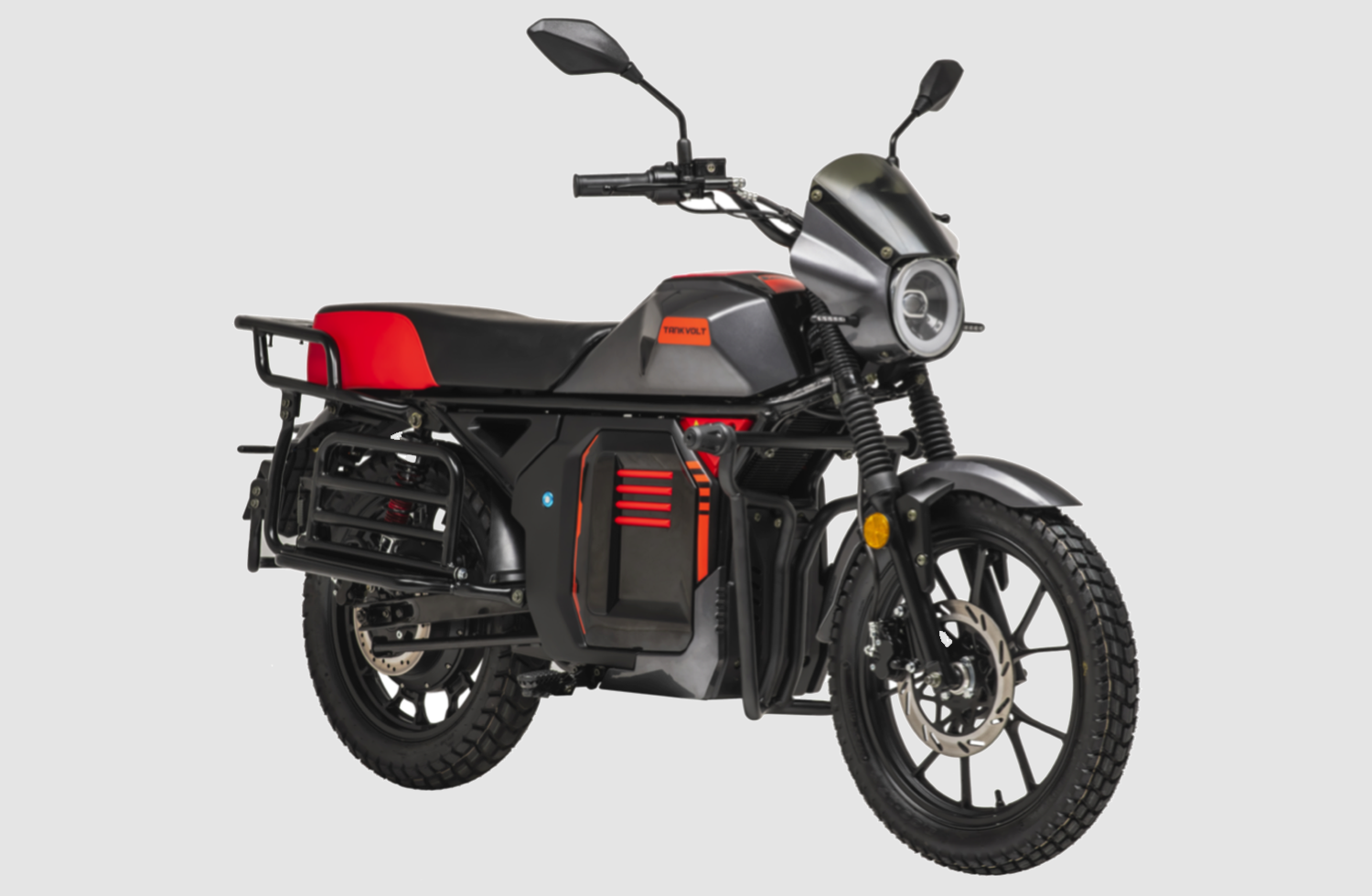 Transsion, the Chinese company that dominates Africa’s smartphone market, is making a push into the continent’s electric vehicle (EV) industry – aiming not only to connect Africans but also to transport them. The Shenzhen-based firm introduced its TankVolt brand of electric two-wheelers and tuk-tuks in Uganda in 2023, and has since expanded to Nigeria, Kenya, Tanzania and Ethiopia.
The company is hoping to replicate the dominance it achieved in mobile phones. Transsion controls 52% of Africa’s smartphone market through its three brands – Infinix, Itel and Tecno – and shipped 9.3m smartphones to the region in 2024 alone. Its success has been driven by a wide product range tailored to local needs, including dual-SIM functionality, long battery life suited to areas with unreliable electricity, and camera optimisation for darker skin tones. Its extensive distribution network and after-sales service infrastructure – reaching both urban and rural areas – have also helped the company gain a strong foothold in the market.
Transsion aims to carve out a position in Africa’s EV market by leveraging its existing advantages: an understanding of local consumer behaviour, the ability to produce at scale, and an established distribution footprint. It also offers relatively low price points and is working with financial institutions to provide more flexible payment terms.
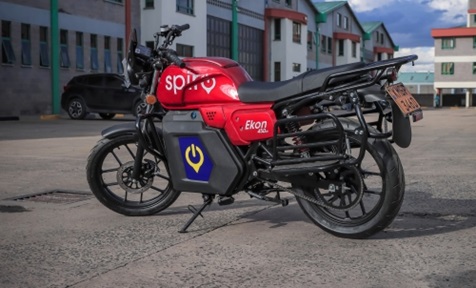
Motorcycles are a mainstay of urban transport in many African cities, where passengers often rely on motorbike taxis for daily travel. Yet most riders still use internal combustion engines. That is starting to change, thanks to the efforts of e-mobility start-ups. Rwanda-based Ampersand, one of the pioneers, assembles electric motorbikes and batteries, and runs a network of battery swap stations in Kigali. Spiro, which entered the market in 2022 in Benin, has expanded to seven other countries including Nigeria, Kenya, Cameroon and Tanzania. Meanwhile, Roam – a Swedish-Kenyan company – raised US$24m earlier this year to scale up its production of electric motorcycles and buses from its Nairobi base.
Transsion is among the few players in Africa’s EV space to control its full value chain. While most African EV companies buy their parts from Chinese manufacturers, Transsion designs and manufactures its own in China before shipping them to Africa. This gives it a cost advantage. However, rolling out a battery-swapping network, as many of its competitors have done, is likely to be one of Transsion’s biggest challenges to scaling in Africa.
Africa’s electric two-wheeler market is poised for growth. Annual sales of motorbikes are projected to rise from 1.9m units in 2023 to 2.3m by 2030. Two-wheelers are expected to make up between 45% and 57% of all vehicles in sub-Saharan Africa by 2040. While Africa’s market is smaller in dollar terms than India’s (US$5bn vs US$17bn in annual sales), its fuel consumption per capita is significantly higher, suggesting strong financial incentives for riders to shift to electric. In Rwanda, EV adoption is already well underway, with electric two-wheelers accounting for 50% of the market as of December 2023. Kenya, which hosts several e-mobility start-ups, is likely to follow suit.
Several factors are driving the adoption of electric two-wheelers in Africa. The lifetime cost of EVs versus internal combustion engines is falling, helped by declining battery prices and high fuel prices. Expanded battery-swapping and charging infrastructure has eased range anxiety, while more financing and leasing options are making electric models increasingly accessible to riders. Governments are also stepping in with tax incentives and supportive policies. Meanwhile, a wider selection of models and better availability of spare parts are improving the overall viability of electric two-wheelers across the continent.
These electric two-wheelers are quickly emerging as a practical and scalable solution in Africa’s densely populated cities, where private car ownership remains far out of reach for most. For riders who depend on their vehicles for daily earnings, the shift to electric offers clear economic benefits: lower running costs, reduced maintenance, and growing access to battery-swapping networks. The environmental dividend, cleaner air and lower emissions, is a welcome bonus in urban centres choked by traffic pollution.
Transsion’s deep understanding of the local market, combined with its ability to design and manufacture in China before shipping fully built vehicles directly to Africa, gives it a clear advantage over competitors that depend on fragmented supply chains. However, the broader African EV ecosystem still has significant room for development. Battery-swapping infrastructure, consumer financing, and reliable after-sales service remain uneven across the continent. With local investors remaining cautious, this presents a strategic entry point for Asia-based capital. By investing in startups across the continent or funding complementary infrastructure, other Asian players could seize the opportunity to enter this fast-growing market.
References
‘Ethiopia-based Japanese e-mobility entrepreneur to launch battery-swapping service’, NTU-SBF Centre for African Studies, 28 November 2024
'Tailored technologies: How Transsion came to dominate the African phone market', Cheung Kong Graduate School of Business, 03 January 2025
‘Roam secures US$24m in funding to accelerate electric mobility solutions in Africa’, Roam, 10 February 2025
'How Nigeria’s top smartphone seller, Transsion, became world’s 4th largest', Business Day, 28 February 2025
'Transforming e-mobility in Africa: The story of TankVolt and the Mbawana family', Alex Ding LinkedIn post, 27 April 2025
'Africa’s smartphone market grows for eighth straight quarter', Developing Telecoms, 27 May 2025
'Transsion wheels into Africa’s EV market with same playbook that conquered mobile phones', Rest of World, 10 June 2025
'From phones to e-bikes: China’s Transsion targets Africa’s mobility sector', China Global South Project, 18 June 2025
'Why the king of phones in Africa comes from China?', EqualOcean, 20 June 2025
'Africa’s electric 2-wheeler revolution', Novastar Ventures, Accessed on 25 June 2025
'About', TankVolt, Accessed on 25 June 2025