Malaysian retailer Mr DIY launches in South Africa
Mr DIY aims to attract price-conscious shoppers
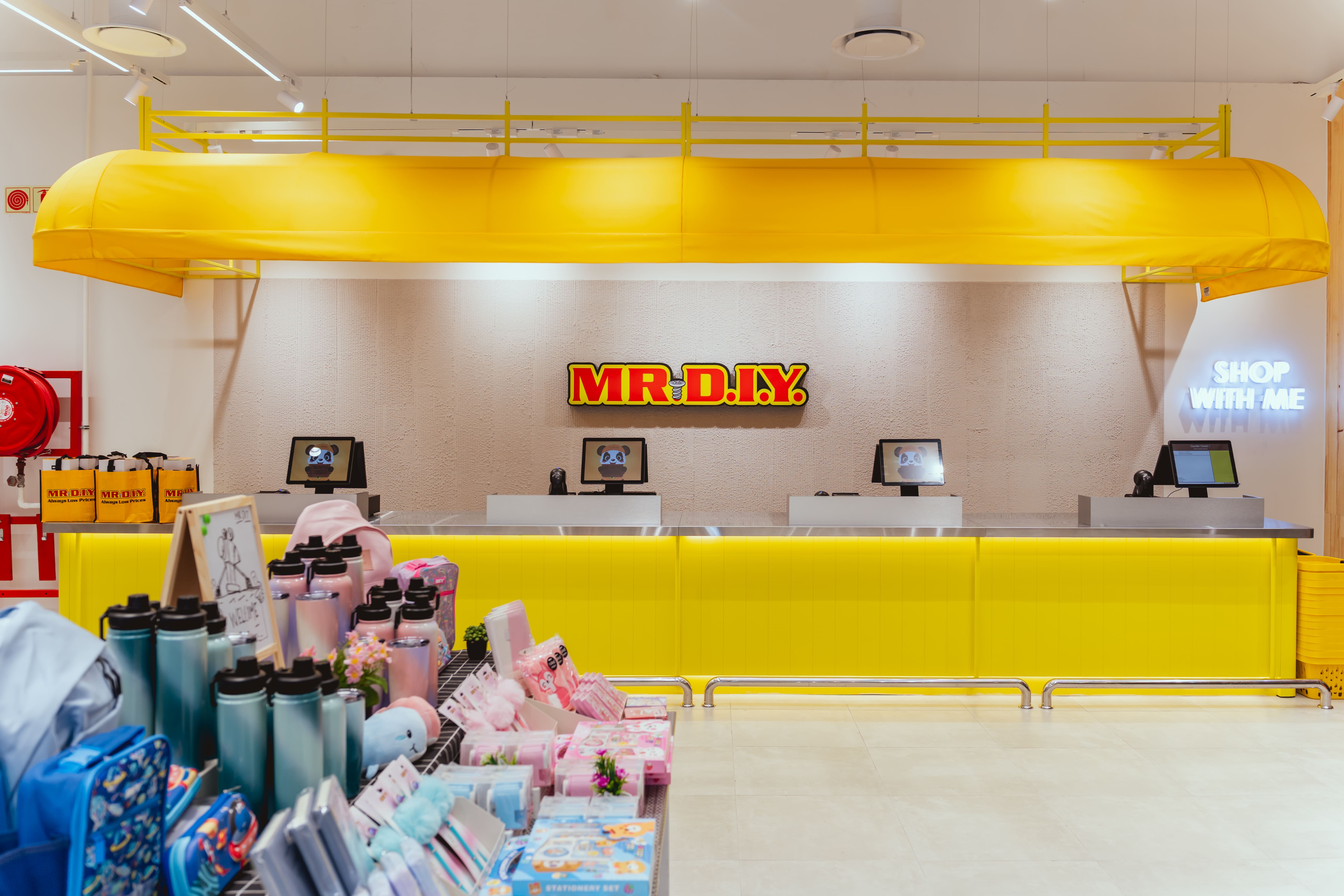 Photo source: Mr D.I.Y
Malaysian budget home improvement chain Mr DIY opened its first South African store in late June at a shopping mall in Pretoria. Founded in Kuala Lumpur in 2005, Mr DIY sells a wide range of low-cost goods, including hardware, electrical items and household products. It has expanded rapidly across Asia and Europe, opening more than 4,600 outlets, but this marks its first presence in Africa.
Mr DIY started evaluating the South African opportunity in late 2022, drawn by growing demand for affordable retail in Africa’s largest economy. The company plans to open 20 to 30 stores across major cities over the coming 24 months.
Mr DIY is entering a relatively established home improvement retail sector in South Africa, where it will compete with chains such as Builders Warehouse, Makro, Mica, Buco and Build It. The company believes it can undercut rivals on price while also introducing products not yet available in the local market. A significant share of its sales comes from goods under its own Mr DIY label. While most of its inventory is sourced from China, the company says 15% of its initial product range in South Africa is from domestic suppliers, a figure it aims to increase over the next two years. Mr DIY will face domestic competition from Builders Warehouse, the country’s leading DIY and home improvement chain. Builders is part of the Massmart group and is known for its extensive product selection, nationwide store network, and strong digital presence.
The Malaysian retailer’s expansion comes at a time when the South African economy shows little sign of recovery. GDP growth averaged just 0.7% a year between 2015 and 2024. The sluggish performance was due to persistent electricity shortages, crumbling logistics infrastructure, and high levels of public debt. Load shedding – scheduled power cuts that peaked in 2022 and 2023 – has disrupted manufacturing and services, while dysfunction at state-owned rail and port operator Transnet has severely hampered mineral and agricultural exports. Investor confidence has also been eroded by years of mismanagement and corruption, particularly under former president Jacob Zuma.
Despite these challenges, recent developments have offered some hope. The formation of a Government of National Unity in 2024, made up of several coalition partners, has raised expectations of improved governance. Electricity supply has become more stable, inflation has eased, and interest rates have recently been cut – all of which could support a modest recovery. Still, economists recently revised their 2025 growth forecasts down to around 1%, citing a weaker global outlook and limited progress at state-owned logistics operator Transnet in resolving rail and port bottlenecks.
After two years of pressure on household incomes and tight monetary conditions, the retail sector, however, is expected to benefit from a more supportive macroeconomic environment. Retail sales are expected to grow by 7% overall and by 2% after adjusting for inflation in 2025 – suggesting an economy under strain, but not without opportunity.
References
'Sunday Read: Load shedding through the years and how Eskom has struggled to keep the lights on', News24, 24 March 2019
'Mr D.I.Y.: Malaysia's leading low cost home improvement specialist', Seeking Alpha, 13 March 2023
'Asian retailer MR.DIY upbeat as it enters SA market', Business Day, 13 June 2025
'MR.DIY expands global footprint into a new continent, Africa', Supermarket & Retailer, 19 June 2025
'Southeast Asia's Mr.DIY to open in South Africa', Zawya, 20 June 2025
'South Africa: Economic forecast for the next quarter', Investec, 24 June 2025
'South Africa's retail sector can thrive in 2025 and beyond, says BMR forecast', Engineering News, 10 July 2025
'World economic outlook database', International Monetary Fund, Accessed on 17 July 2025
'MR.DIY is now in South Africa!', Mr DIY, Accessed on 17 July 202