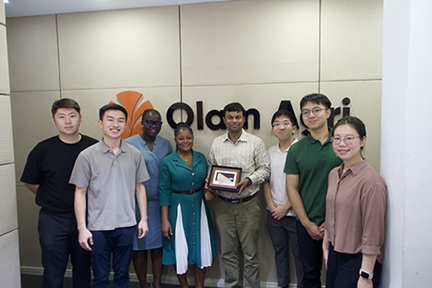
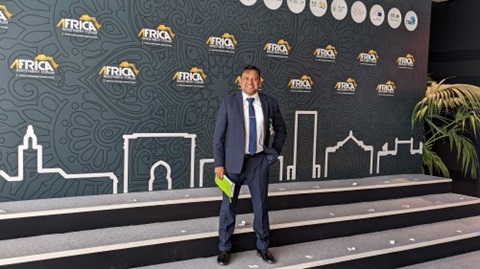
Centre Director participates in the 7th WATAF high level policy dialogue
Amit Jain makes a case for African tax regimes to be aligned with industrial policy
The Director of the NTU-SBF Centre for African Studies Amit Jain urged West African governments to align their tax regimes with industrial policies such that one set of incentives does not off set another. He was speaking at a panel discussion at the 7th West African Tax Authority Forum (WATAF) in Freetown, Sierra Leone.

“Providing tax holidays is a powerful tool for improving the financial viability of long-term investments. But it should be for a specific purpose and for a reasonable length of time,” he told delegates. “Keep it simple but do not make it open ended. That will skew the market”.
“If the objective is to channel more financing towards renewable energy, then any tax incentive that encourages investments in solar mini grids should not be negated by increased subsidies for the use of fossil fuels. Otherwise, the tax incentives will cancel each other out.”
“To foster industrialisation and job creation, tax exemptions should be for intermediary goods not finished products,” he said.
“In many African countries finished solar panels can be imported duty-free, but intermediary goods such as photovoltaic cells, aluminium frames, and tempered glass attract significant import duties. This policy, rather than encouraging backward integration, makes it more expensive for local entrepreneurs to produce goods. As a result, the incentives, while appearing to support a clean energy transition, inadvertently undermines industrialisation.”
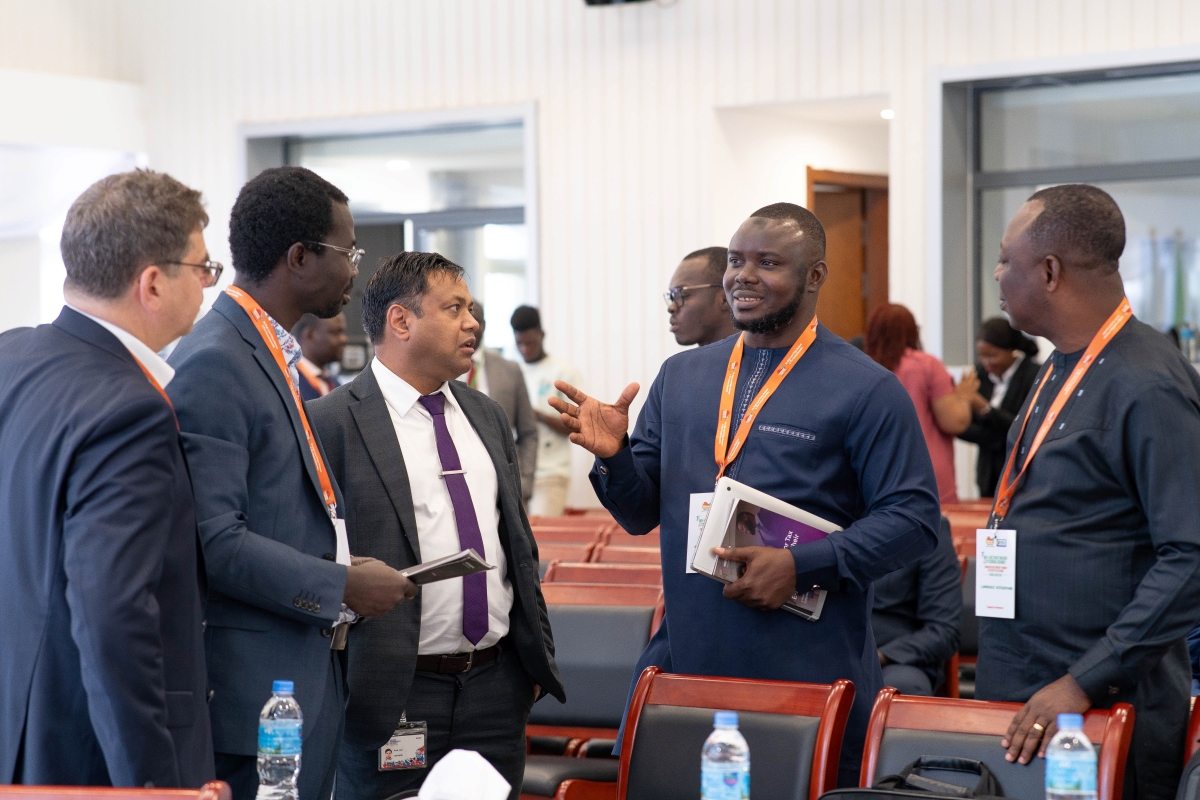
Amit told delegates that a simple predictable tax regime where everyone pays their fair share of taxes should be the goal of domestic revenue mobilisation strategy. But this takes time. “Trust is not a given. It needs to be earned,” he stated. “No matter how simple, easy and predictable your tax policies are compliance will not improve unless citizens are convinced that their tax payments are being put to good use. They need to see better roads, improved public health services and good schools - all those things that impact everyday life.”
“Singapore knew from its very early start that high compliance costs, complexity, and lack of transparency in tax collection can stifle economic activity. Leaders understood that if they wanted to make Singapore business-friendly they needed to make paying taxes easy and simple. They also knew that if they wanted their citizens to comply, they needed to make sure everyone pays their fair share,” he said explaining why the exemplary city-state enjoyed high tax compliance rates.
“Accountability starts from the top,” he said. “It is when the rich and the politically powerful are excluded from the tax net that trust in a tax regime begins to erode.”
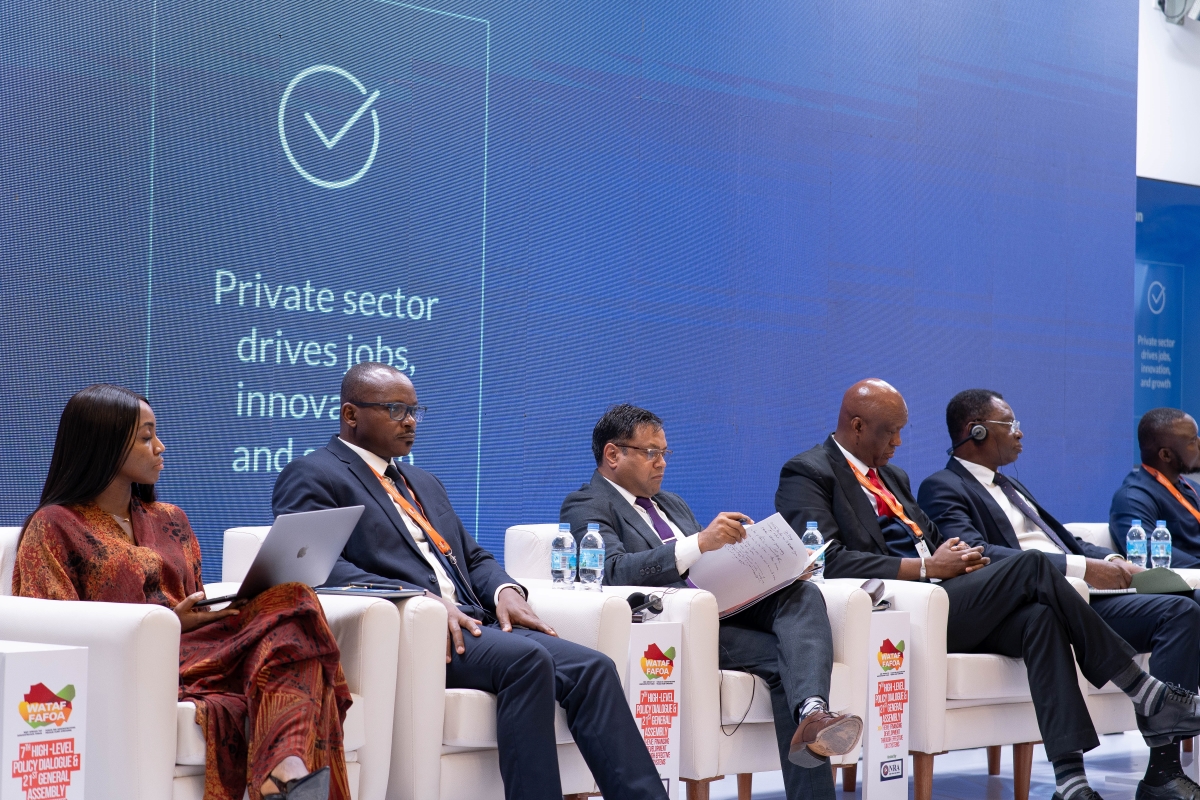
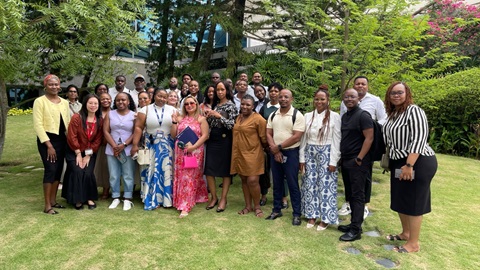
The 7th West African Tax Administration Forum (WATAF) High-Level Policy Dialogue and was held in Freetown, Sierra Leone and focused on the critical of ‘Financing Development Through Effective Tax Systems.’ It comes at a time when donor funding for low-income countries around the world is drying and cost of borrowing has increased. This has put renewed attention across Africa to a concept called Domestic Resource Mobilization (DRM), which among other things entails tax revenue mobilisation. Weak collaboration between tax administrations, businesses, and civil society hinders DRM, leaving gaps in funding for critical initiatives like Agenda 2063 and the Sustainable Development Goals. It is estimated that Africa loses up to US$90bn dollars in illicit financial outflows alone. The goal of the conference was to help West African tax authorities build a more transparent, fair, and efficient tax systems capable of funding national development. Attendees included Heads of Revenue Administrations from WATAF member countries, key officials from Ministries of Finance, and representatives from institutions such as the World Bank, UNDP, OECD, African Development Bank (AfDB), and the Inter-American Center of Tax Administrations (CIAT). Centre Director Amit Jain was invited by the WATAF secretariate to participate in the high-level policy dialogue. He was the only Asian delegate to be invited to the conference and the only one representing an academic institution.
 Scenery of Freetown, Sierra Leone.
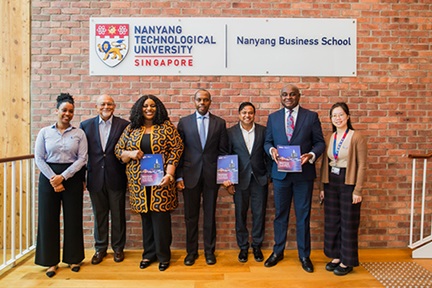
On the sidelines of the visit Amit also met Amara Kallon, the Minister of Public Service and Political Affairs of Sierra Leone. He has been entrusted by President Maada Bio to reform public service and make it far more responsive to the needs of the citizens. There exists a desire among many African policymakers to learn from Singapore.
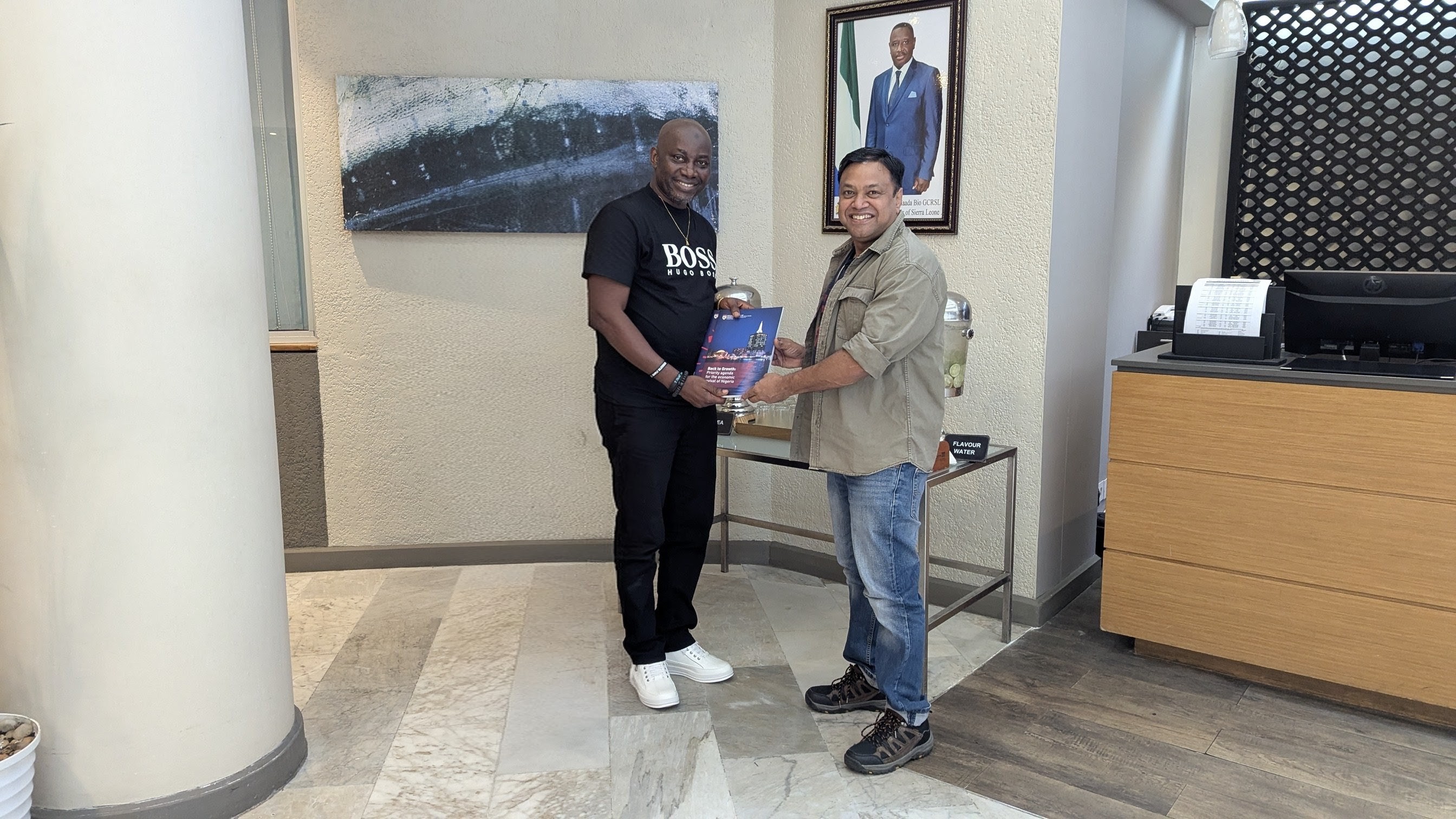 Centre Director presents a copy of his 2023 report Back to Growth: Priority Agenda for the Economic Revival of Nigeria to Minister Amara Kallon of Sierra Leone.