Cote d’Ivoire adopts Japanese technology to boost domestic food production
The West African country spends close to US$4bn annually on food imports
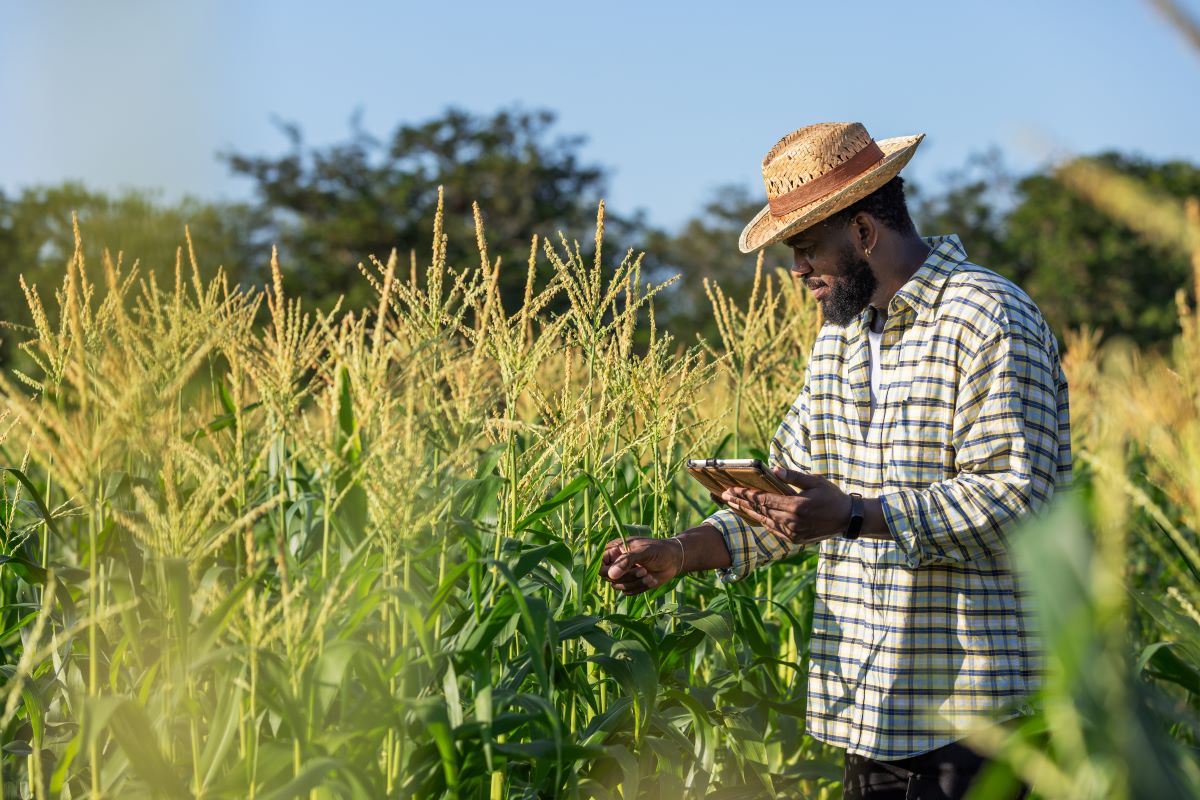
NEC Corporation of Japan has begun deploying digital tools in Cote d’Ivoire to strengthen the domestic production of staple crops such as rice, cassava and maize.
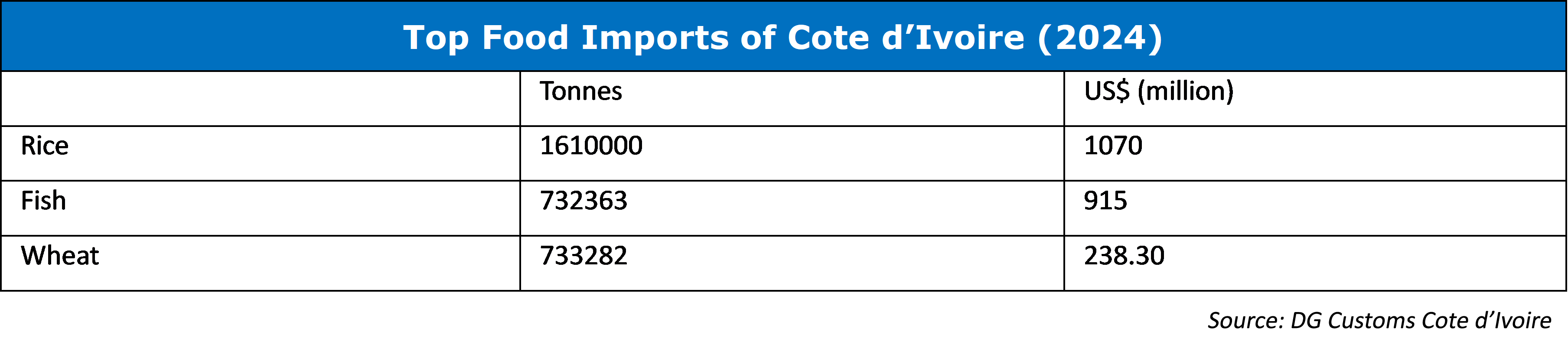
Agriculture accounts for a quarter of GDP and approximately 60% of its export revenues. The sector employs two-thirds of the active population. In addition to cocoa and cashews, Cote d’Ivoire is a net exporter of major cash crops grown by small- and large-scale farmers including coffee, rubber, cotton, palm oil, and bananas. Although the country is the world’s top exporter of cocoa beans and raw cashews, it imports a significant share of its food. The country imports wheat, corn meal, and dairy products and has become the fifth largest rice importer in the world. According to the foreign trade data published by the Directorate General of Customs Cote d’Ivoire spent US$3.81bn on food imports in 2024, up 10% from the previous year. Rice accounted for the largest share of food imports in 2024, with purchases of 1.61m tonnes costing U$1.07bn – about 28% of the total food import bill. Wheat ranked third, with 733,282 tonnes imported at a cost of US$238.3m.
 To reduce dependence on imports, the government of Cote d’Ivoire is trying to raise domestic production of staple food crops. Agriculture accounts for about 30% of Cote d’Ivoire’s GDP and employs roughly half of the population, but the sharp rise in seed and fertiliser prices in recent years has left many farmers unable to secure the inputs they need. In response, the government is supplying smallholder farmers with subsidised rice and maize seeds, cassava stem cuttings and fertilisers. The programme is financed by the Japan International Cooperation Agency and the African Development Bank.
The project uses two digital tools developed by NEC: an e-voucher system to manage the distribution of subsidised inputs, and CropScope, a digital agriculture platform that brings together satellite imagery, weather and soil-moisture data, and field observations to generate insights and guide farming decisions.
NEC’s e-voucher system introduces a digital process intended to improve the distribution of subsidised agricultural inputs. Farmers receive identification cards issued with their biometric information, and authorised agro-dealers use smartphones to check these details when inputs are distributed. The system provides a digital record of each transaction, giving the authorities clearer oversight of how seeds and fertilisers are allocated and helping to reduce misuse.
The CropScope platform is being rolled out to strengthen advisory work across farming areas. Cote d’Ivoire lacks reliable data on the location, size and crop types of smallholder fields. NEC plans to map about 30,000 hectares and create a database to support crop-growth monitoring and field inspections by agricultural advisors. The platform will also provide guidance on optimal fertiliser use and harvest timing to help improve yields for rice, maize and cassava.
References
'Côte d’Ivoire: African Development Bank extends a €151million loan to boost food security', African Development Bank, 19 July 2022
'Signing of Japanese ODA loan agreement with Côte d’Ivoire: Contributing to the response to the food security crisis through realizing a resilient agricultural system', Japan International Cooperation Agency, 22 December 2022
'Côte d'Ivoire Country Commercial Guide', International Trade Administration, 08 February 2024
'Japan’s NEC digital technologies to empower small-scale producers in Africa in partnership with IFAD', IFAD, 21 August 2025
'NEC and the Côte d'Ivoire Ministry of Agriculture enhance agricultural efficiency through digital technology', NEC Corporation, 22 October 2025
'Côte d’Ivoire spent $3.8B on food imports in 2024, led by rice and fish', Ecofin Agency, 13 November 2025