Ghana demands a bigger cut of the gold boom
Accra's tax overhaul part of a broader African push to benefit from soaring prices
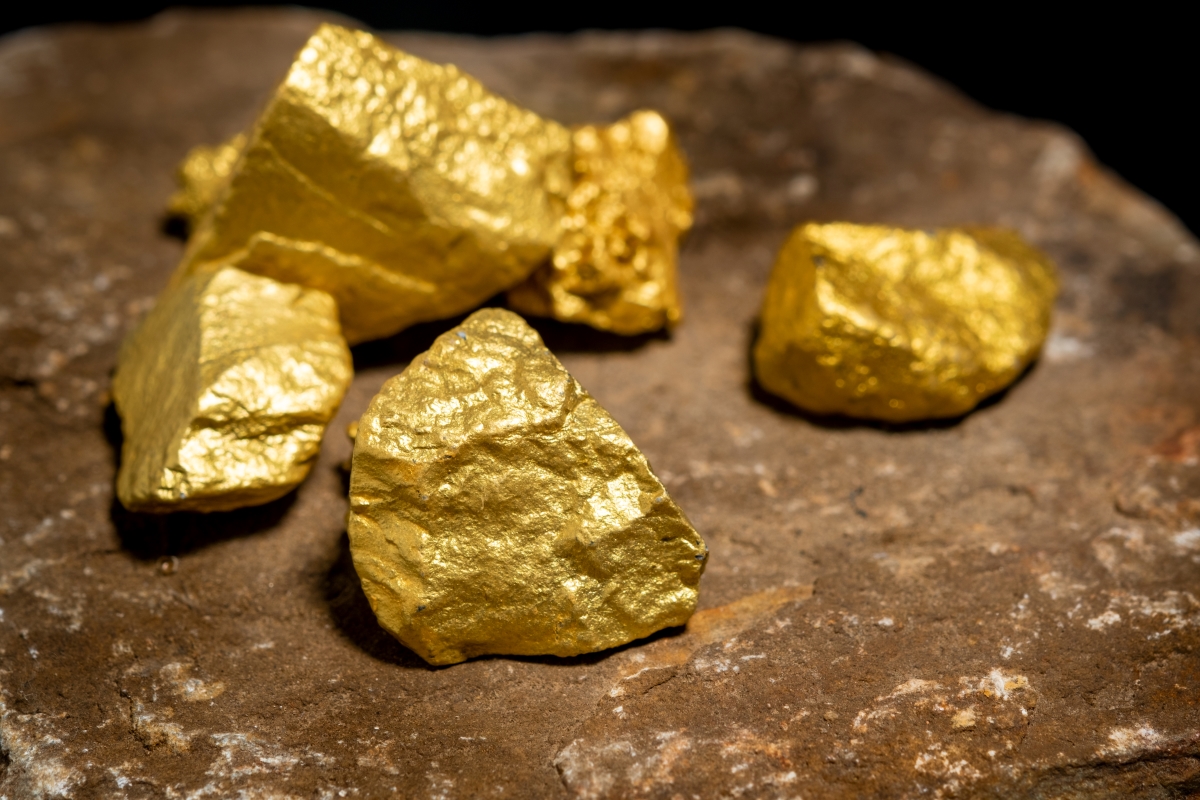
Ghana has defied pressure from major foreign powers and mining companies by introducing a new sliding-scale gold royalty rate tied directly to market prices. With gold climbing from under US$2,000 an ounce in 2022 to surpass US$5,000 by January 2026, Africa's leading producer is positioning itself to secure a larger share of the revenues. The move echoes a wider trend across the continent, as African governments look to derive greater benefits from a historic surge in gold prices.
Under Ghana's overhauled tax framework, the existing flat 5% gold royalty becomes the base rate for a new sliding scale, rising to a 12% levy when prices reach US$4,500 an ounce – a top tier already triggered by current record highs. A similar structure will apply to lithium, with royalties ranging from 5% to 12% as prices move between US$1,500 and US$3,200 a tonne. All other minerals will remain subject to the flat 5% rate.
The royalty hike has triggered a coordinated diplomatic backlash. The US, China, the UK, Canada, Australia, and South Africa have all pressured Accra to halt the increase. Executives from gold producers Newmont, Gold Fields, AngloGold Ashanti, and Perseus also directly lobbied the government, while Chinese miners Zijin, Chifeng, and Shandong Gold filed formal protests.
Detractors warn the top-end levy threatens to transform Ghana into one of Africa's costliest operating environments, severely denting its competitiveness. By squeezing margins, critics argue the hike risks chilling future investment and driving capital toward regional rivals like Guinea, Mali, and Côte d'Ivoire.
Accra, however, held firm against the complaints. Authorities says the previous static royalty drained billions in potential state wealth, effectively choking off vital investments in essential public services and infrastructure. The major gold producers operating in Ghana have posted strong global results for 2025: Newmont reported company-wide earnings of more than US$7bn, while profits more than doubled at Gold Fields and tripled at AngloGold Ashanti. Perseus also posted a 16% year-on-year increase, reaching US$421.7m.
Ghana’s move reflects a broader push by African governments to maximise returns from their mineral wealth. Last year, Burkina Faso scrapped its 7% royalty cap, introducing a dynamic scale that triggers an 8% rate when gold hits US$3,000 an ounce, rising 1% for every subsequent US$500 increase. Zimbabwe finalised its own fiscal overhaul earlier this year. Following a fierce dispute with the sector, Harare backed down from an immediate doubling of gold royalties. Instead, it imposed a 10% windfall charge on large miners if prices top US$5,000 an ounce, while holding the standard rate at 5%.
References
'Why Africa's mineral-rich countries are not reaping the rewards of their wealth', The Conversation, 13 November 2025
'Zimbabwe also plans higher gold royalties as prices surge', Ecofin Agency, 28 November 2025
'Zimbabwe scraps gold royalty hike, sets higher threshold for windfall tax', Mining.com, 17 December 2025
'Balanced fiscal framework needed to sustain mining growth and national revenue', Ghana Chamber of Mines, 19 January 2026
'Gold tops $5,000 for first time ever, adding to historic rally', BBC News, 26 January 2026
'China, US pressure Ghana to halt gold royalty hike, document and sources say', Reuters, 5 March 2026
'Ghana to introduce new gold royalty regime Tuesday despite opposition: regulator', Reuters, 9 March 2026
'Ghana's new gold royalty hike shakes mining industry', DW, 13 March 2026