Indorama ramps up African fertiliser output
The Singapore-based firm expands as West Asia turmoil lifts fertiliser prices
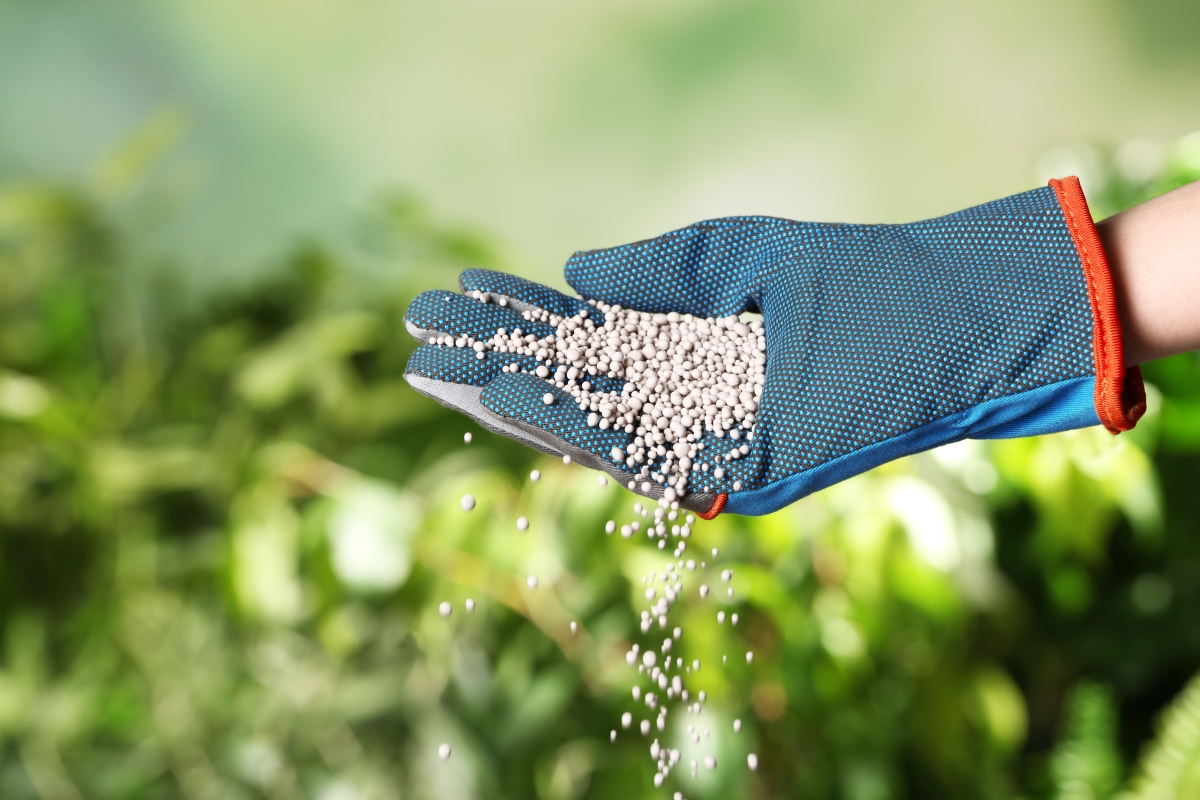
Singapore-based Indorama is expanding its fertiliser operations in Africa. The company is leading a US$550m phosphate project in Egypt and scaling up its urea production in Nigeria. The investment comes as global fertiliser prices surge following the outbreak of war in West Asia– a market shock that threatens to price out vulnerable African farmers.
In Egypt, Indorama has partnered with local miner Misr Phosphate to build a new phosphate fertiliser plant. The facility will be located near the Ain Sokhna port, at the southern entrance of the Suez Canal. The project is expected to cost up to US$550m, with funding to be finalised this year and commissioning targeted for 2028. Indorama is working with the International Finance Corporation (IFC) and the European Bank for Reconstruction and Development to arrange a loan package. Misr Phosphate holds a 15% stake in the venture and is to supply the plant with phosphate rock from its Red Sea mines. The finished products are intended for both domestic and export markets.
Phosphate rock, extracted from open-pit and underground mines, is the primary raw material for phosphate fertilisers. It contains phosphorus, an essential nutrient for plant growth that supports root systems, improves resilience, and enhances fruit and seed production. Egypt’s phosphate deposits are estimated at 2.8bn tonnes, with unproven reserves potentially reaching as much as 30bn tonnes. Currently, the country produces around 11m tonnes of phosphate rock annually, alongside 4m tonnes of phosphate fertilisers.
In contrast to much of the continent, fertiliser usage in Egypt is exceptionally high. The country consumes 532.8kg per hectare of arable land – more than triple the global average of 153.7kg. To guarantee domestic supply, the government requires producers of natural gas-based fertilisers to allocate 55% of their output locally in exchange for subsidised state gas. Phosphate producers, however, are exempt from this quota.
Indorama is also boosting fertiliser production in Nigeria, where its third urea production line – which capitalises on the country’s natural gas resources – is expected to be commissioned this year. The company entered the country in 2006 by acquiring a former state-owned plastic resins business, later expanding its footprint to establish Indorama Eleme Fertilizer and Chemicals.
The existing facility has the capacity to produce about 2.8m tonnes of granular urea a year. Urea, a nitrogen-rich fertiliser that promotes plant growth, is produced using ammonia derived from natural gas, together with carbon dioxide. The new production line will increase Indorama’s total Nigerian urea output to 4.2m tonnes a year. Furthermore, a new dedicated shipping terminal in Port Harcourt will support the expanded production and facilitate export logistics.
Nigeria’s annual urea exports surged from roughly 660,000 tonnes in 2017 to more than 3m tonnes in 2024. This growth was driven in part by the 2022 opening of a granulated urea complex built by billionaire industrialist Aliko Dangote – Africa's wealthiest person. Located at the Lekki Free Trade Zone near Lagos, it is the largest facility of its kind on the continent. Dangote recently awarded contracts to build four new production units that will push total urea capacity to more than 8m tonnes a year. But the fact that production from this facility is predominantly for exports and not for domestic use. The production of NPK fertiliser – a blend of nitrogen (N), phosphorus (P), and potassium (K) –has also grown substantially in Nigeria since the launch of the Presidential Fertiliser Initiative (PFI) in 2016. Before the PFI, the country relied heavily on imported fertilisers, raising costs for farmers and putting pressure on foreign exchange reserves. The initiative helps secure raw materials for local NPK production at lower prices. These inputs include locally sourced urea, which provides the nitrogen component, as well as limestone granules, phosphate from Morocco and potash from Europe. They are then supplied to private blending firms that produce the final fertiliser. Thanks to the PFI, the number of operational NPK blending plants has risen from four at the start of the programme to more than 80. Since 2017, Indorama has supplied urea to the PFI and private blenders. In 2023, it also acquired a 51% stake in TAK Agro & Chemicals, an NPK producer operating six blending plants across Nigeria, allowing it to sell NPK fertilisers directly to farmers.
 Despite the rise in domestic production, fertiliser use by Nigeria's smallholder farmers is still among the lowest in sub-Saharan Africa (SSA). In 2023, consumption was just 19.74kg per hectare of arable land. Fertilisers are often inaccessible for rural households due to steep prices and a lack of credit facilities. Inadequate rural infrastructure, high transport expenses, and numerous middlemen push retail costs past what farmers can afford to pay. Just 26% of Nigeria’s urea output was used domestically in 2024, underlining how heavily export-oriented the industry has become.
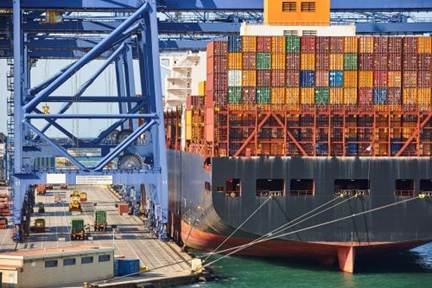
The ongoing conflict in West Asia is expected to further drive up fertiliser prices for farmers in Egypt, Nigeria, and other African nations. In the first week of March, for example, urea prices in Egypt surged by 28%. Disruption to the Strait of Hormuz threatens a route that handles up to 30% of the global fertiliser trade. Additionally, because natural gas is the main feedstock for nitrogen fertilisers, high energy prices are likely to keep costs elevated. In response, many farmers could cut back on fertiliser applications or switch to crops that require fewer inputs. Because crop yields respond nonlinearly to fertiliser, even small application cuts can cause disproportionately large harvest declines, especially in areas where baseline usage is already minimal.
References
'Fertilizers rank second among Egypt's exports with dlrs 2.7 bn', State Information Service, 21 February 2023
‘Egypt seeks new investments for phosphate projects’, Zawya, 13 October 2023
'NSIA highlights the transformative impact of the Presidential Fertilizer Initiative (PFI) on Nigeria’s agriculture ecosystem', NSIA, 26 August 2024
'Egypt’s phosphates: a strategic resource being given a boost', Al Majalla, 27 March 2025
'Nigeria's Dangote aims to end Africa's fertiliser imports', Reuters, 27 June 2025
'Phosphate power: Egypt's global ranking boosts its fertilizer market influence', Middle East Observer, 28 July 2025
'Nigeria risks starvation amid fertiliser boom - report', BusinessDay NG, 18 October 2025
'Nigeria's Dangote Fertiliser to expand urea output with Thyssenkrupp technology', CNBC Africa, 11 November 2025
'Egypt's Misr Phosphate provides fertilizer plant update', World Fertilizer, 24 November 2025
'Bridging Nigeria’s fertilizer supply-demand gap for agricultural transformation', International Food Policy Research Institute, December 2025
'Indorama Corporation advances world-class phosphatic fertilizer project in Egypt', Indorama Corporation, 23 February 2026
'Misr Phosphate', Misr Phosphate, Accessed on 7 March 2026
'Our project', Indorama Egypt Fertilizer, Accessed on 7 March 2026
'Indorama Eleme Fertilizer-III', IFC Disclosure, Accessed on 7 March 2026
‘Overview’, Indorama Eleme Fertilizer and Chemicals, Accessed on 7 March 2026
'FAO Chief Economist warns of severe global food security risks from disruption to Strait of Hormuz trade corridor', Food and Agriculture Organization, 26 March 2026