The 2nd AI and Public Policy International Conference & TFSC Paper Development Workshop Successfully Held at NTU Singapore
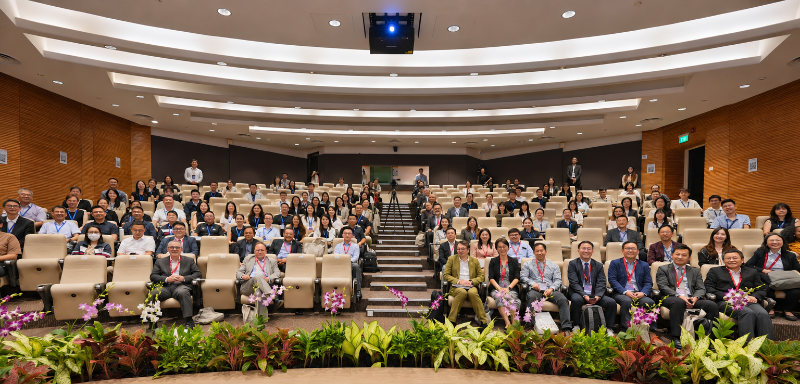
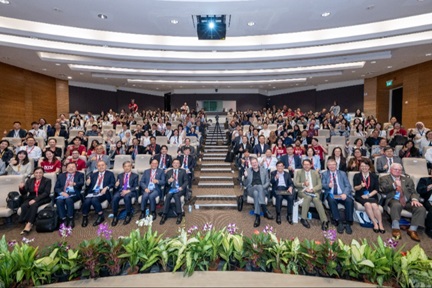
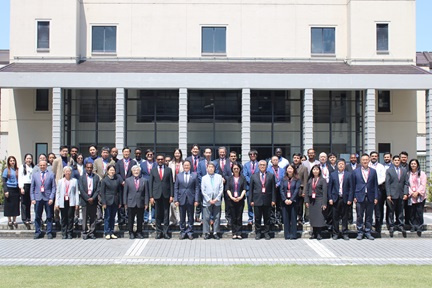
The 2nd AI and Public Policy International Conference & TFSC Paper Development Workshop took place in person at Nanyang Technological University (NTU), Singapore, from 19 to 20 November 2026. Organised by Nanyang Centre for Public Administration (NCPA) and co-organised by the Lien Ying Chow Legacy Fellowship, the two-day event brought together over 160 scholars, policymakers, and practitioners from 17 countries and regions across six continents. Participants came from diverse geographical backgrounds, including China, Indonesia, South Korea, the United Kingdom, Germany, the United States, Australia, South Africa, and Colombia, to explore how artificial intelligence is reshaping governance capacity, public value, regulation, and policy design and implementation.
The programme featured three keynote speeches, three plenary sessions, four special panels and a series of regular parallel sessions, and a Paper Development Workshop in collaboration with the leading international journal Technological Forecasting and Social Change (TFSC).
Opening and Keynote Perspectives on AI, Science, and Governance
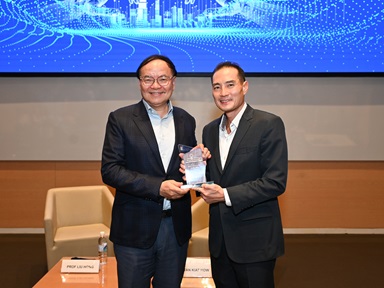
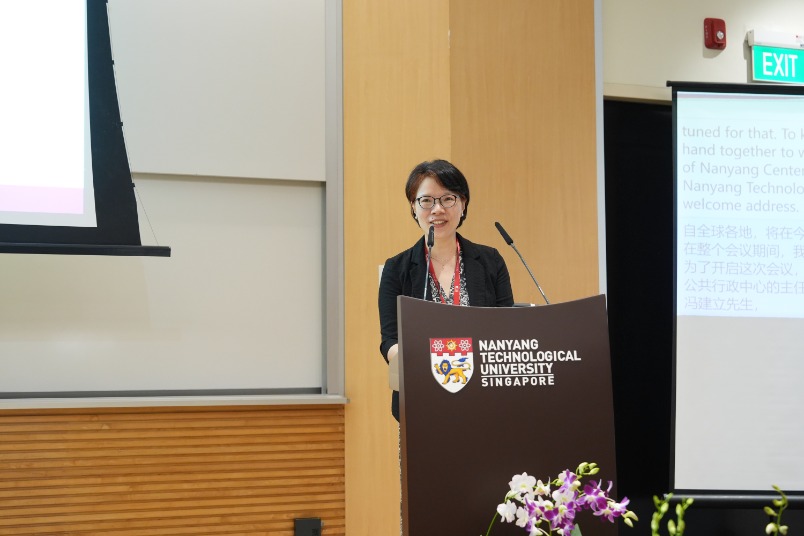
The conference opened on 19 November at the Auditorium, Nanyang Executive Centre (NEC), with welcome and opening remarks by Associate Professor Jue Wang, Director of NCPA at NTU, and Mr Feng-Ji Sim, Singapore Government Chief Digital Transformation Officer and Deputy Secretary (Digital Government) at the Ministry of Digital Development and Information
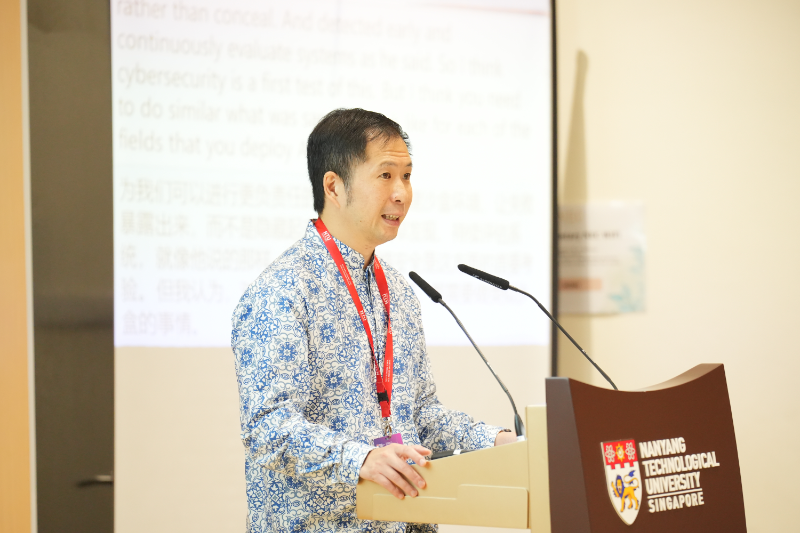
Keynote Speeches
Three keynote speeches by Professor Philip Shapira, Professor Xun Wu and Professor Jon Wilson offered insights into how artificial intelligence is reshaping scientific innovation, geopolitical dynamics, and state authority. The discussions highlighted the opportunities, risks, and policy implications of AI, including its role in scientific advancement, strategic competition, and digital sovereignty.
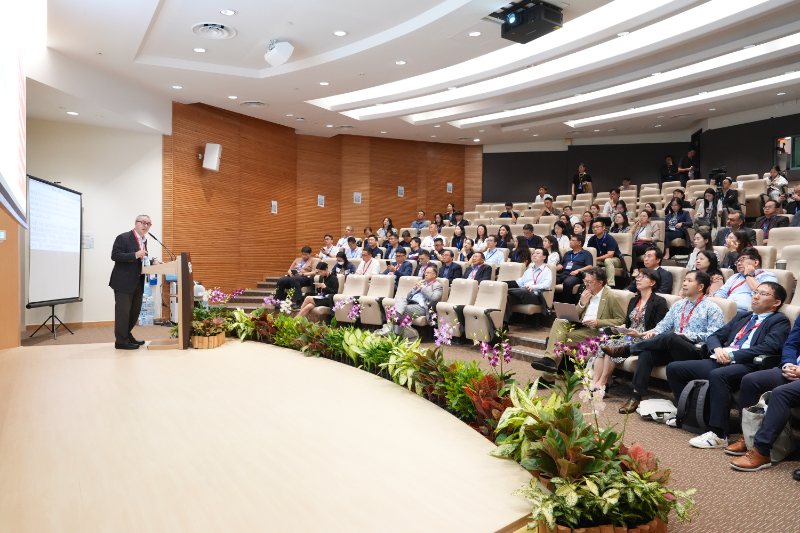
Plenary Sessions
Three plenary sessions brought together leading scholars from Asia, Europe, Oceania, and Latin America to explore key issues in AI governance and public policy. The discussions covered AI governance from global, national, and technological perspectives; AI adoption and governance in the public sector; and the transformative role of AI in research and innovation.
Parallel Sessions
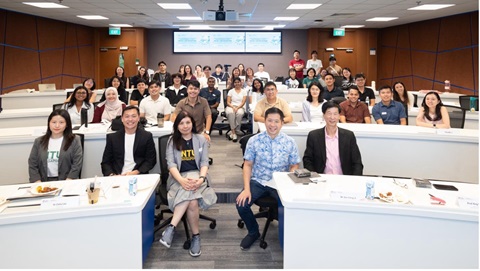
On the second day, four special panels, eleven regular sessions and three TFSC paper development workshop sessions covered topics including AI regulation and risk governance, trust in government AI services, digital transformation and governance capacity, AI geopolitics, large language models in public policy research, and AI and the transformation of research systems. Led by TFSC Editor-in-Chief Professor Luca Mora and editors Associate Professor Yi Zhang and Professor Yanto Chandra, the workshop sessions gave selected papers in-depth feedback from the editors. Participants from universities and research institutions across Asia, Europe, Africa and America presented their latest work.
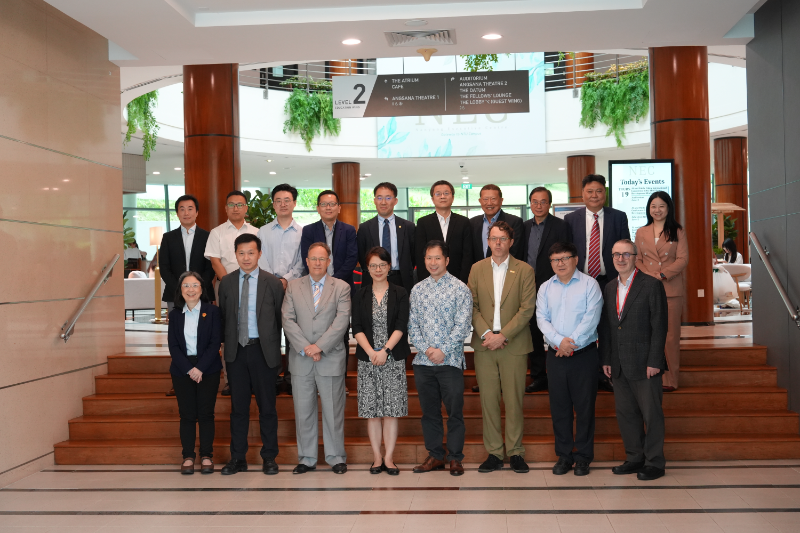
Through keynote talks, plenary panels, empirical paper sessions, and editorial mentorship, the conference fostered interdisciplinary and comparative exchange on how governments and researchers navigate the opportunities and governance challenges of artificial intelligence.