
About Us
Research Focus - Phase 1
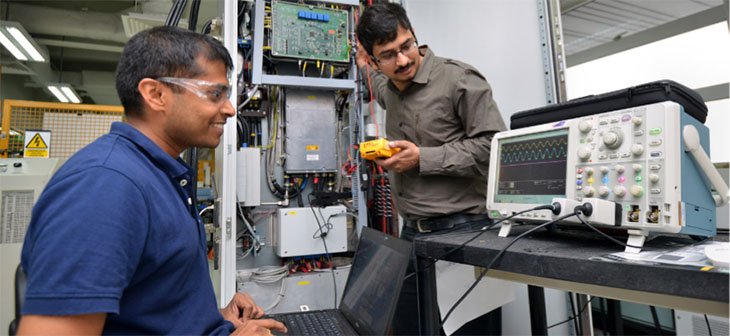
Electrical Power and Control Systems
Developed technologies for more efficient and reliable energy delivery and power/control (including work in areas such as power electronics) to support next-generation power and propulsion systems
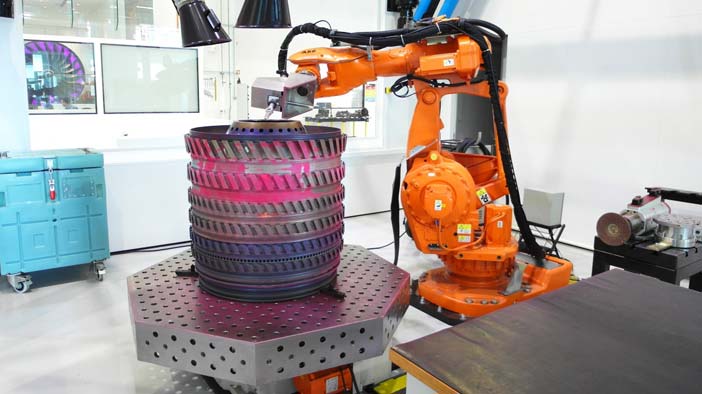
Manufacturing and Repair Technologies
Advanced innovative manufacturing and repair methods aimed at improving industrial processes and operations, with outcomes applied to future power/propulsion development and manufacturing operations
.jpg?sfvrsn=a84a85af_0)
Computational Engineering
Built data-/model-driven engineering capabilities—extracting insights from equipment and processes to support faster, better engineering decisions
Research Focus - Phase 2
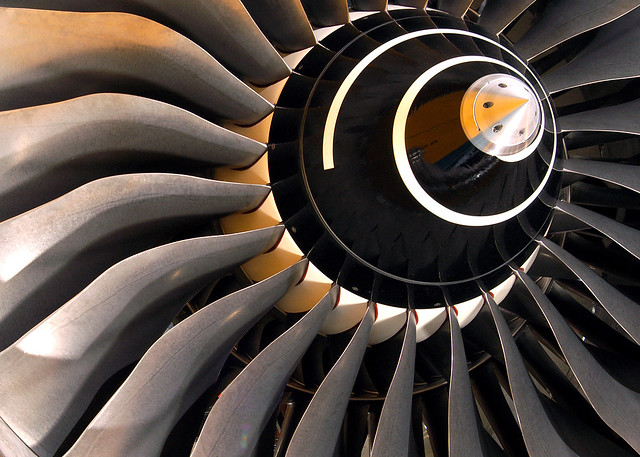
Manufacturing Technologies (ManTech)
A new pillar under Phase 2, the research applied Industry 4.0 approaches to boost manufacturing—e.g., improving mass-finishing processes such as vibratory finishing (“vibropolishing”) and exploring combinations with surface-hardening methods (to improve durability), and tackling additive manufacturing (3D printing) challenges like internal component finishing/polishing and workflow streamlining

Rolls-Royce Electrical (RRE)
An extension of the activities under Phase 1, the research expanded electrification work toward eco-friendly, efficient and sustainable flight technologies—e.g., exploring energy storage solutions to enable hybrid-electric aircraft.
Advanced Repair and Materials (ARMS)
An extension of the activities in Phase 1, the research focused on materials durability and repair improvements (including approaches that harden component surfaces and enhance longevity), supporting more reliable aerospace parts and maintenance outcomes.

Data Analytics & Complex Systems (DACS)
An extension of the activities in Phase 1, the research developed digital/AI solutions to shorten design cycles and improve decisions—e.g., using AI/data science to process large datasets for design/manufacturing optimisation and maintenance prediction, and creating an AI “virtual engine emulator” that learns from decades of engine design data to generate design options and insights.

Internet of Things (IoT)
A new pillar under Phase 2, the research connected computers, machines and engines to generate operational data that enhances design, manufacturing, maintenance, services and operations—a backbone for smarter, more predictive aerospace production and support.