
About Us
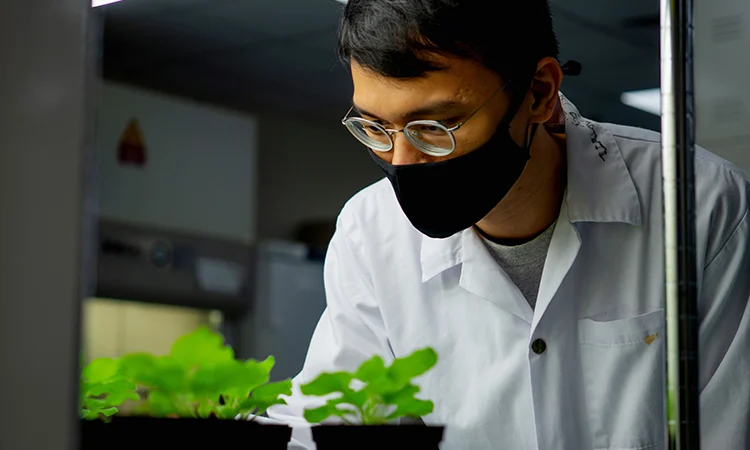
Nanyang Biologics-NTU Joint Laboratory sponsors the research at NTU for Drug Discovery and Therapeutics from tropical medicinal plants. Many of these plants are found in the NTU Community Herb Garden.
Started in 2019, the collaboration draws from a collection of around 300 herbs and medicinal plants in the NTU Community Herb Garden that have been traditionally used by Southeast Asia’s indigenous populations to treat different diseases.
The research lab aims to identify and develop natural compounds as drug candidates for the treatment of diseases such as cancers and neurodegenerative diseases. The immediate early outcome is nutraceuticals from tropical herbs and medicinal plants. In the longer term, our goal is to build a drug discovery pipeline.
Our research is supported by a system we are developing to streamline and fast-track drug discovery process by integrating biomedical science methodologies, artificial intelligence and machine learning.
Research Focus
Drug Discovery
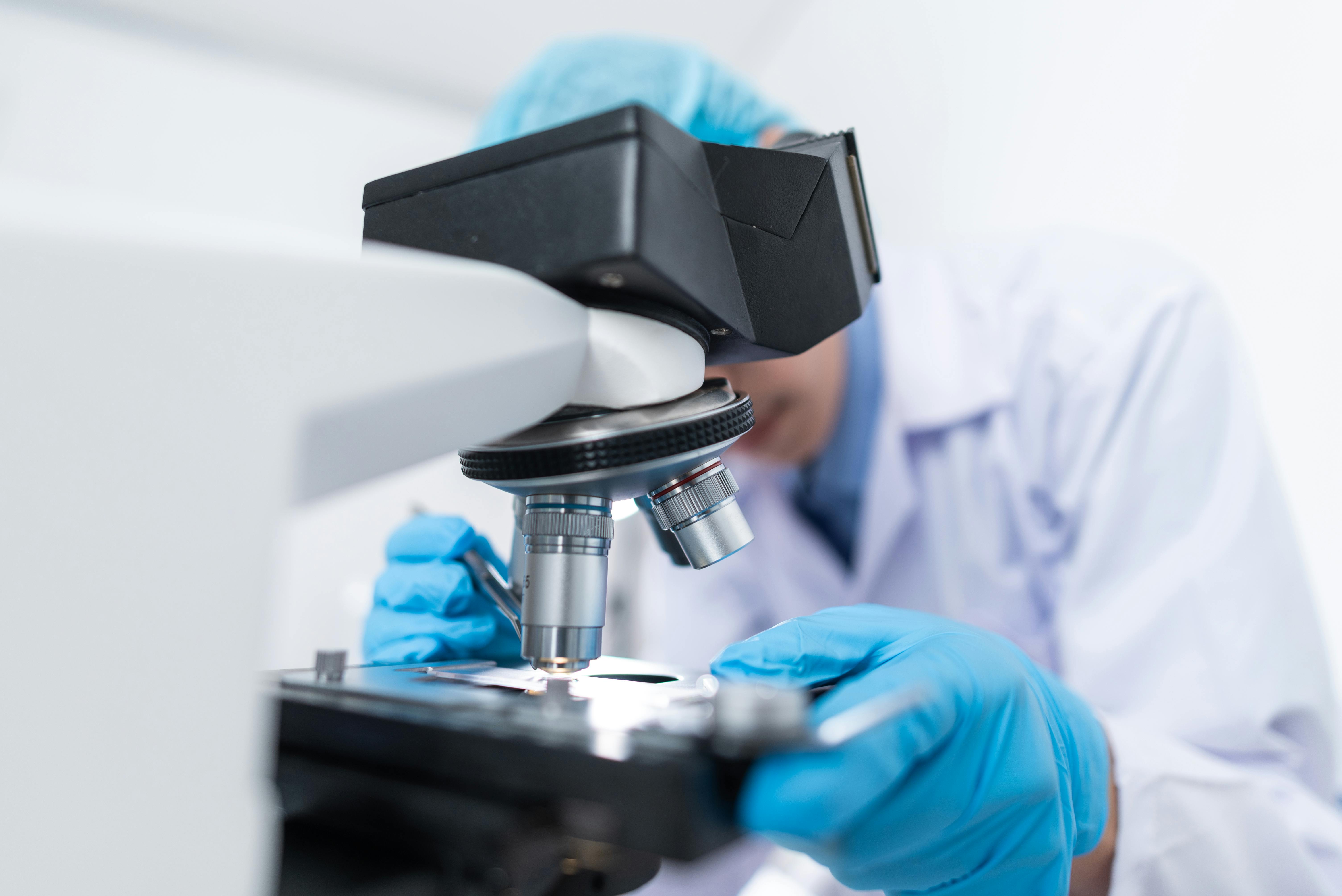
We will apply suitable purification methods to purify the compounds shortlisted by the AI algorithm based on their chemical properties from the raw tropical plants/herbs. The isolated compounds will be subjected to in vitro and in vivo validations for gut microbiome and immunity, as well as mechanistic studies. Lead compounds can be chemically modified based on their chemical properties to increase efficacies. Chemically modified derivatives will be subjected for further in vitro and in vivo analysis and validations.
Organic and Medicinal Chemistry
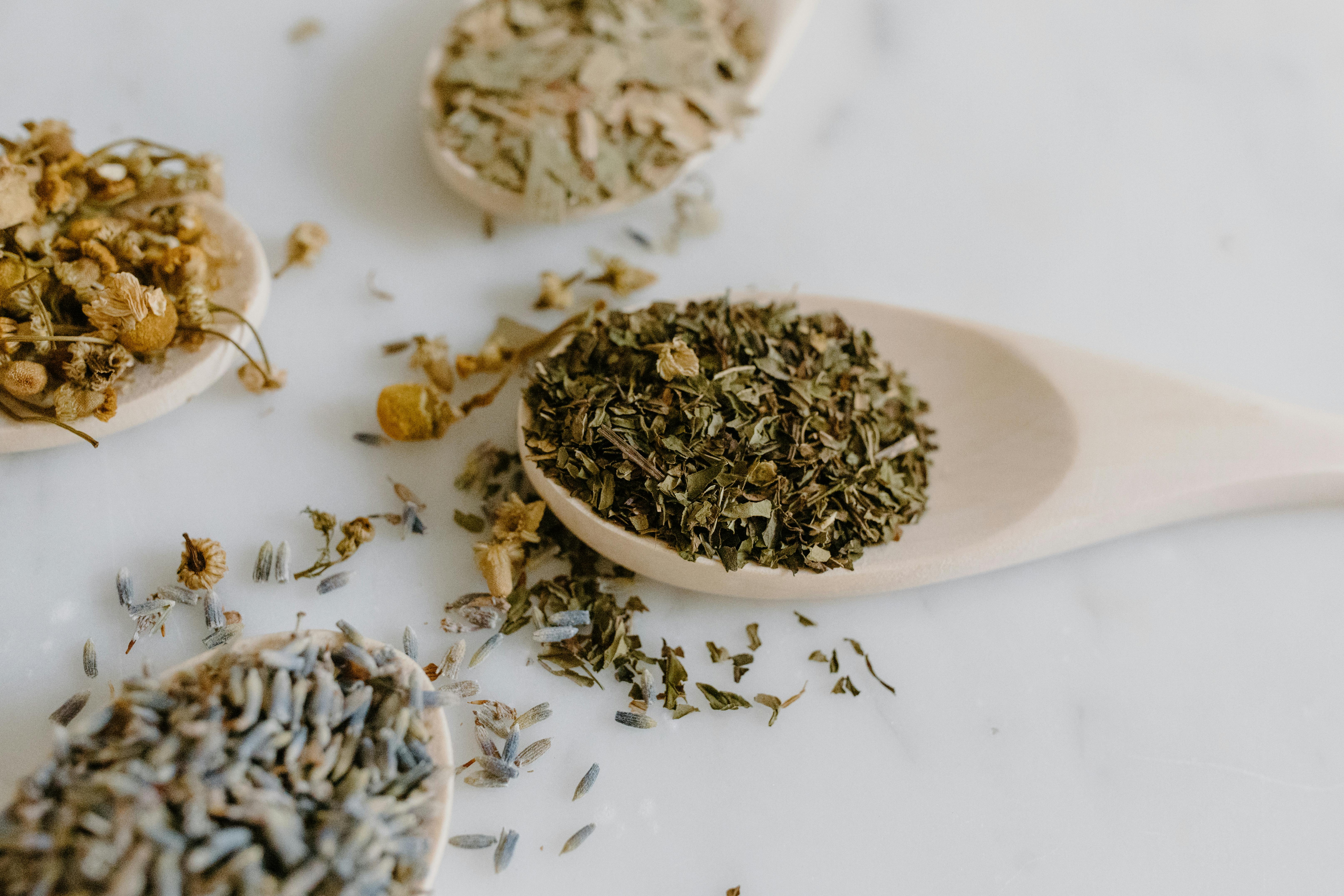
Historically, natural compounds have contributed much to drug discovery, particularly in cancer and infectious diseases. The processes of screening, isolation and optimization of natural compounds are long and challenging. Many of the medicinal plants used in our research are not well characterised. Neither is there any standardisation to ascertain the quality of different batches of plants. Our team of organic chemists will first work to provide thorough chemical fingerprints for all the plants used. They will also design and improve the structures of the natural compounds of interest to make them more drug-like.

Artificial Intelligence
Machine learning (ML) and data mining will be applied to build an Artificial Intelligence (AI) algorithm based on existing drug/chemical databases for the treatment of different diseases. After chemical fingerprinting of the tropical plants/herbs, we will perform in-silico screening to identify potential lead compounds using our proprietary AI algorithm. The AI/ML approach will also allow us to build a pharmacopoeia for precision medicine tailored to different patients.
Genomics & Metagenomics
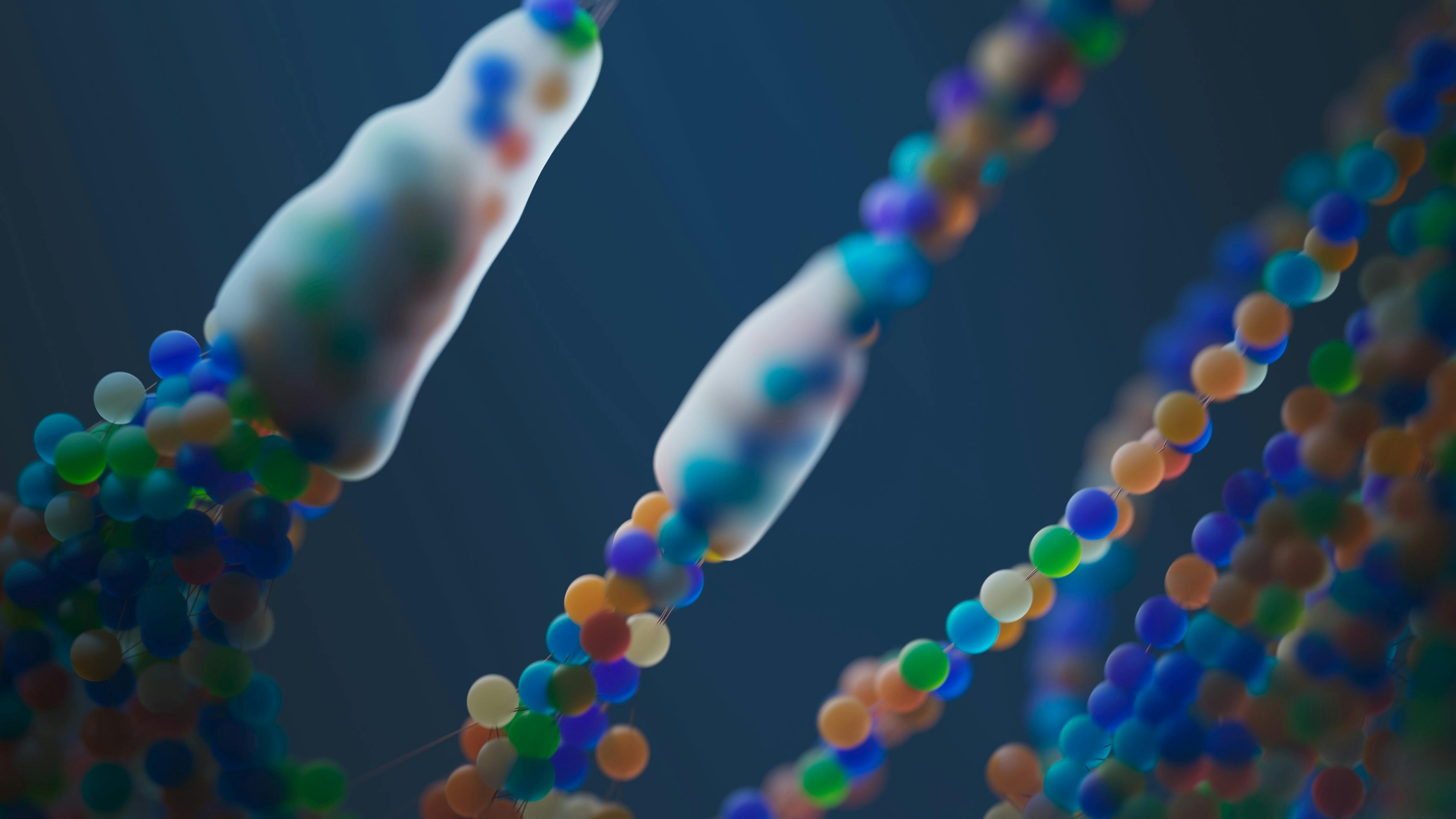
We will carry out genomic analysis to identify tropical plants/herbs as part of the standardisation process. Genomic studies of the tropical plants provide an insight into the biosynthetic pathways of lead compounds, which can be applied for future high-yield production of lead compounds using synthetic biology. Metagenomic analysis of soil microbiome can help to identify beneficial microbes for herb cultivation.