
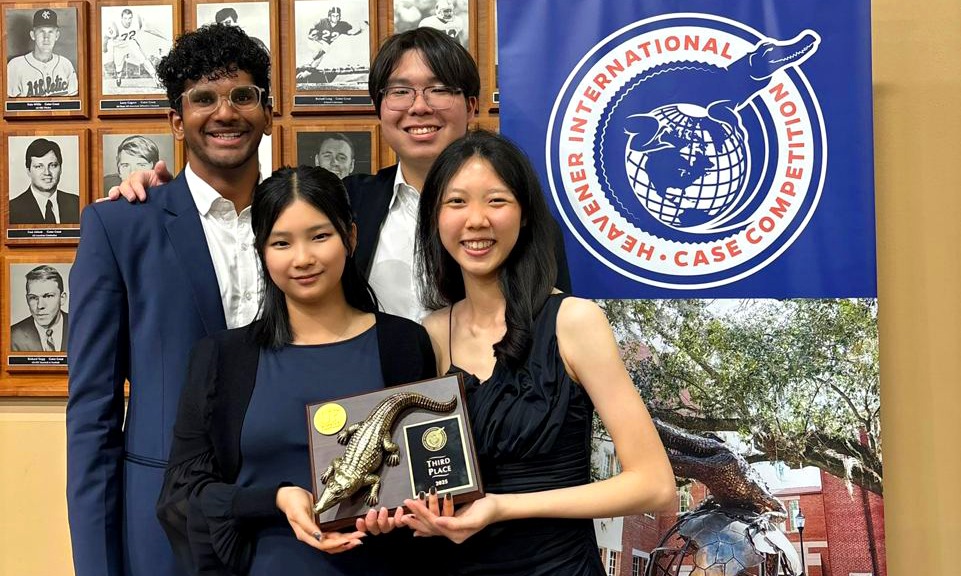
NH0001: Tech-for-Good Service Learning
This is a compulsory course for all NTU Honours College students. This course introduces students to Service-Learning, design thinking and project management frameworks. Service Learning is a form of experiential education in which students engage in activities that address societal and community needs as part of structured opportunities intentionally designed to promote student learning and development (Flecky, 2011).Students are introduced to human-centred design thinking and project management frameworks as structured approaches to addressing real-world issues. Through direct partnership with social service agencies—either through curated problem statements or self-initiated collaborations—students investigate authentic community needs, engage beneficiaries, and critically reflect on social contexts.
Drawing on design thinking principles, students develop and prototype technology-enabled or innovative solutions, iteratively testing and refining their ideas in response to stakeholder feedback. Throughout the process, they apply project and stakeholder management competencies to ensure responsible planning, collaboration, and execution.
By the end of the course, students will not only have contributed tangible value to community partners, but also developed the capacity to think systemically, act ethically, and lead purposefully in addressing societal challenges.
NH0003: Ethics and Society in a Changing World
This module is only applicable for REP, TAISP, and Scapes’ students admitted from AY2026 cohort onwards.
We appear to live in a time of unparalleled cultural and technological upheaval. Such conditions make it all the more important to confront the ethical and societal questions that continue to divide us. This course invites you to do just that: you will acquire the philosophical foundations to reflect on topics like the scope of human rights, the purpose of political power and the moral limits of technology, to name just a few. By the end of the course, you will have developed your ability to formulate, present and defend your positions on matters of enduring importance.


NH0007: Critical Perspectives on Technology and Society
This module is only applicable for students admitted from AY2026 cohort onwards.
Critical Perspectives on Technology and Society invites students to navigate the two global challenges of our time - Ageing Societies and Artifi cial Intelligence - by bridging the gap between scientific innovation and human-centric application.
Rather than training students to be a computer scientist or a gerontologist specifically, this course empowers students to become an informed citizen and ethical innovator capable of addressing complex global challenges through various disciplinary lenses. Students will learn about a process of agentic inquiry where students leverage advanced AI tools as thinking partners to synthesize research, resolve contradictions, and prototype solutions for real-world stakeholders.
Ultimately, this course is designed to foster the critical thinking and moral discernment necessary to ensure that technological progress remains fi rmly anchored in human values.
NH5001: Startup Sprint: Entrepreneurship in Action
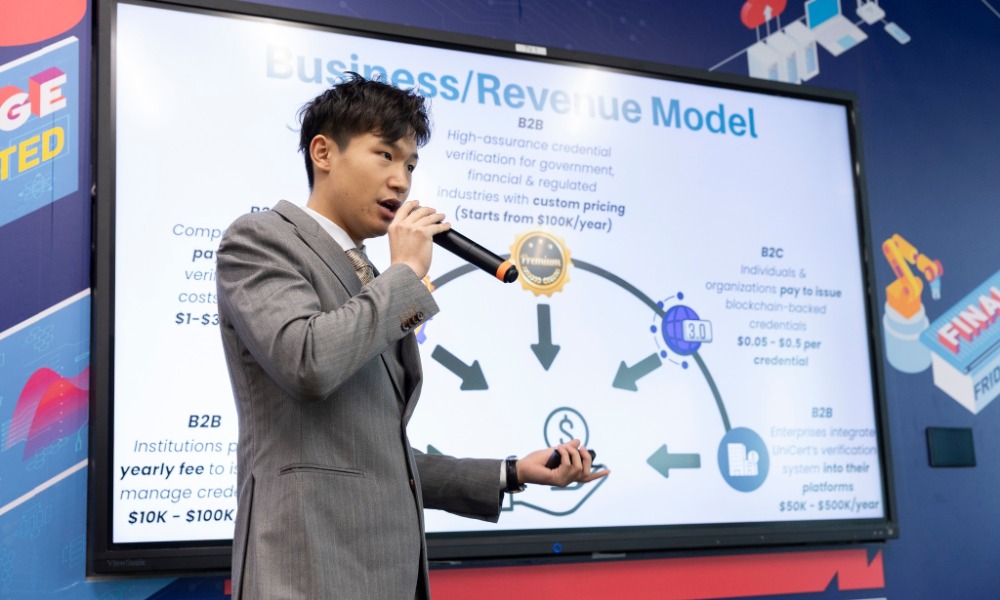
This course offers an immersive, hands-on experience in entrepreneurship through impact-oriented and problem-driven projects that highlight the practical relevance of innovation and venture creation beyond the classroom. Guided by faculty in entrepreneurship and mentored by experienced start-up founders, business owners or industry professionals, students will explore the fundamentals of entrepreneurship, innovation, and the new venture creation process.
Throughout the course, students will engage with NTU’s innovation and entrepreneurial ecosystem and broader support from local and international networks, gaining insights into real-world startup environments. Students will learn how to generate ideas, identify market opportunities, understand customer needs, design products or services, and develop prototypes and sustainable business models. This experiential learning journey will foster both the entrepreneurial mindset and practical skills essential for future entrepreneurial endeavours. Project work may be conducted in a variety of innovation spaces. Students will also be introduced to experimental and iterative approaches to entrepreneurship, while developing critical competencies in time and resource management. Emphasis will be placed on applying your knowledge and skills to create value not just for business, but for society at large.
This course is specially designed for the Venture Creation Programme unique to the Honours College. If students are interested in enrolling Second Major in Entrepreneurship (SMiE) or Minor in Entrepreneurship (MiE) programmes, this course can be counted as mutually exclusive to ET5101 or ET5135 to fulfil the SMiE and MiE requirements.
Student Ambassador Programme
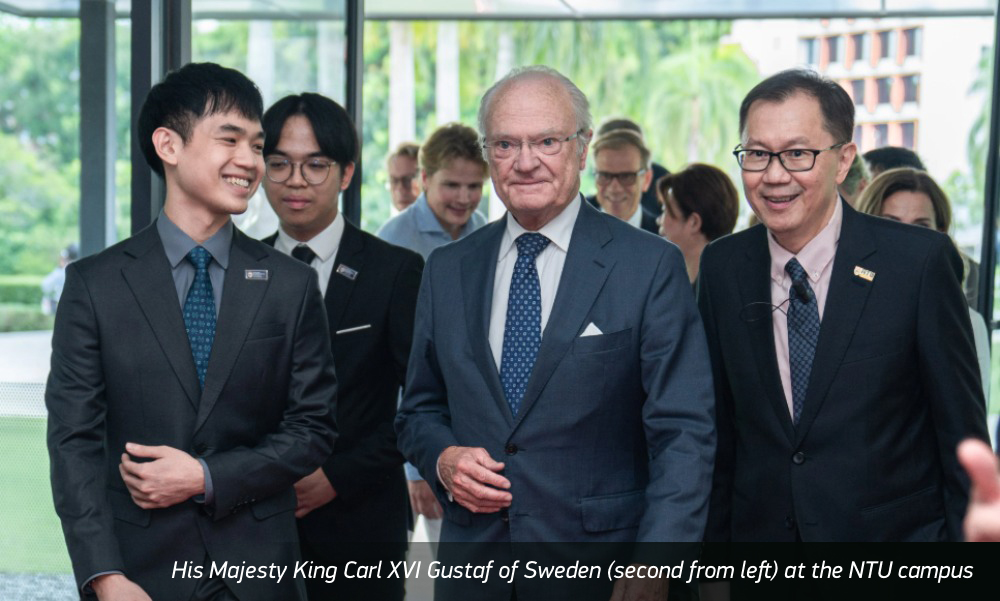
Students will be required to attend a foundational ambassadorial training workshop. This training equips ambassadors with essential engagement skills to keep people informed, interested, involved, and inspired.
Student Ambassadors are required to complete NHC deployments to host VIPs and distinguished guests, as well as support college-level outreach initiatives.
Student Ambassadors will also attend advanced ambassadorial training to further strengthen their capabilities and preparedness for high-profile engagements and events.
Personal Development Programme
This programme helps students grow both personally and professionally, preparing them to become impactful leaders in their fields.
This programme will equip students with the self-awareness, confidence, and communication skills needed to navigate professional environments. Students will also learn how to create meaningful content to build their own portfolios for future careers. Students will get a chance to engage with senior leaders and build meaningful industry networks.

Singapore Symposium
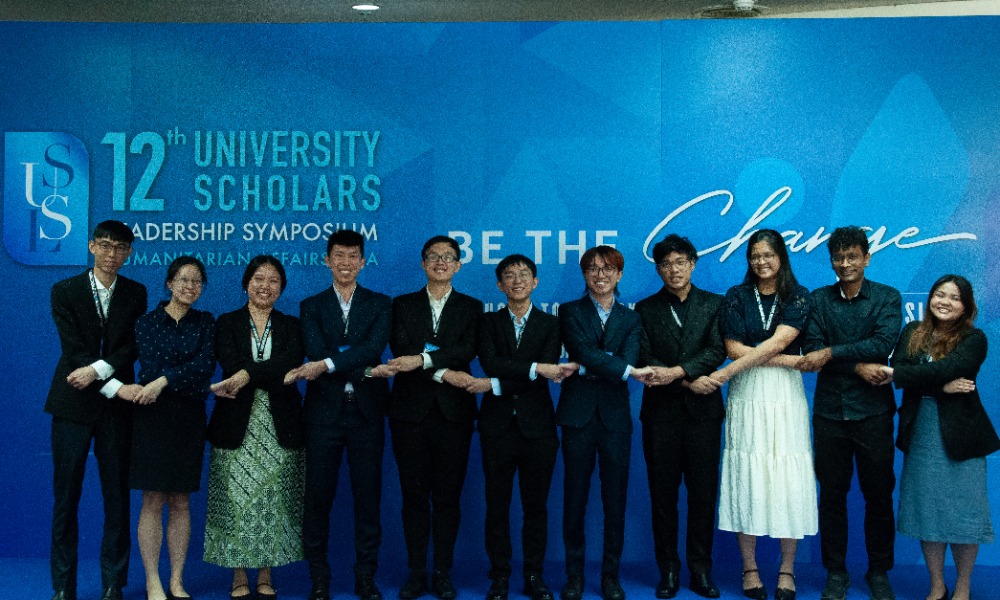
A student-led conference, the Singapore Symposium (S2) brings together student leaders, policymakers, academics, and industry practitioners to engage in pressing regional and global challenges. Modelled after the St. Gallen Symposium, S2 is organised by the NTU Honours College as a high-impact platform that fosters interdisciplinary dialogue, critical thinking, and leadership development.
Through curated panels, roundtable discussions, and student-led sessions, participants explore complex issues such as sustainability, governance, technology, and social change. The symposium also provides NHC students with opportunities to take on leadership roles in organising and shaping the conference, gaining hands-on experience in stakeholder engagement, programme design, and large-scale event management.
S2 is developed in collaboration with partner universities, public agencies, and industry leaders, positioning it as a signature NTU platform that connects emerging leaders with established global voices while strengthening NTU’s role in regional and international thought leadership.
Community Fundraising Project
This initiative equips students with the skills, knowledge, and mindset to design, lead, and deliver impactful fundraising initiatives for social causes. In partnership with charitable organisations, students will progress from participating in fundraising workshops to organising and delivering real-world fundraising projects. They will identify and support causes and communities they care about, with funds raised going directly toward these chosen social causes.
Through this hands-on experience grounded in “pay it forward” ethos, students will build real-world competence and confidence in leading effective and impactful fundraising campaigns, while developing practical skills in teamwork, leadership, and project execution.

Create-Your-Own-Course
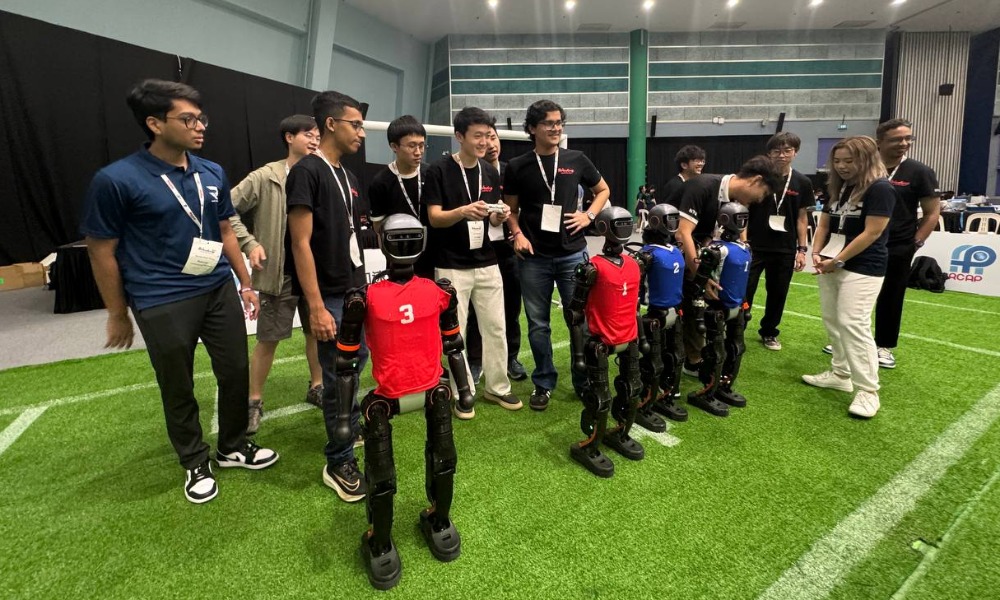
To promote independent, self-directed learning, Create-Your-Own-Course (CYOC) allows students to initiate, design, and implement credit-bearing courses in their areas of interest. This education model empowers students to shape their own learning experiences while earning academic credit.
Note: The detailed course content and course description will be provided by the course coordinator to the college for approval before offering.