
Prof Ang Peng Hwa
Emeritus Professor, Wee Kim Wee School of Communication and Information
Emeritus Professor
Artificial and Augmented Intelligence
Communication
About Ang Peng Hwa
Ang Peng Hwa is Professor at the Wee Kim Wee School of Communication and Information, Nanyang Technological University, Singapore, where he had served as Dean and Chair. Currently, he is editor of the Asian Journal of Communication
He was President of the International Communication Association in 2016/1017, the first Asian to be so elected. His research interests lie in media law and policy and he has consulted on the subject for the governments of Singapore, Thailand and Bhutan.
He is the author of Ordering Chaos: Regulating the Internet (Thomson, 2005), which argues that the internet can be, is being and should be regulated. He was a member of 40-strong Working Group on Internet Governance that was appointed by then UN Secretary-General Kofi Annan to prepare a report for the 2005 World Summit on the Information Society.
In his sabbatical year in 2000, he was a visiting scholar at Harvard University on a Fulbright fellowship and a visiting scholar at Oxford University the semester following.
In 2008, he spent his sabbatical year in Ahmedabad, India, to help start the doctoral-equivalent programme at the Mudra Institute of Communication, Ahmedabad.
Ang had also served as chairman of the regional non-profit media organisation Asian Media Information and Communication Centre (AMIC).
A lawyer by training, he worked as a journalist before going on to pursue a Master’s in communication management at the University of Southern California and a Ph.D. in the mass media at Michigan State University.
Ang Peng Hwa
Nov 13, 2025, 12:41 PM
Ang Peng Hwa is Professor at the Wee Kim Wee School of Communication and Information, Nanyang Technological University, Singapore, where he had served as Dean and Chair. Currently, he is editor of the Asian Journal of Communication
He was President of the International Communication Association in 2016/1017, the first Asian to be so elected. His research interests lie in media law and policy and he has consulted on the subject for the governments of Singapore, Thailand and Bhutan.
He is the author of Ordering Chaos: Regulating the Internet (Thomson, 2005), which argues that the internet can be, is being and should be regulated. He was a member of 40-strong Working Group on Internet Governance that was appointed by then UN Secretary-General Kofi Annan to prepare a report for the 2005 World Summit on the Information Society.
In his sabbatical year in 2000, he was a visiting scholar at Harvard University on a Fulbright fellowship and a visiting scholar at Oxford University the semester following.
In 2008, he spent his sabbatical year in Ahmedabad, India, to help start the doctoral-equivalent programme at the Mudra Institute of Communication, Ahmedabad.
Ang had also served as chairman of the regional non-profit media organisation Asian Media Information and Communication Centre (AMIC).
A lawyer by training, he worked as a journalist before going on to pursue a Master’s in communication management at the University of Southern California and a Ph.D. in the mass media at Michigan State University.
Emeritus Professor, Wee Kim Wee School of Communication and Information
Emeritus Professor
Display Name :
Ang Peng Hwa
Salutation :
Prof
Department Name :
Wee Kim Wee School of Communication and Information
Email :
tphang@ntu.edu.sg
Profile Image URL :
https://dr.ntu.edu.sg/server/api/core/bitstreams/6714a68d-2415-4e11-8844-e2a0f1bd058d/content
Permalink :
https://dr.ntu.edu.sg/entities/person/Ang-Peng-Hwa
School :
Wee Kim Wee School of Communication and Information
Is active Profile? :
Yes
Taxonomy :
- Artificial and Augmented Intelligence
- Communication
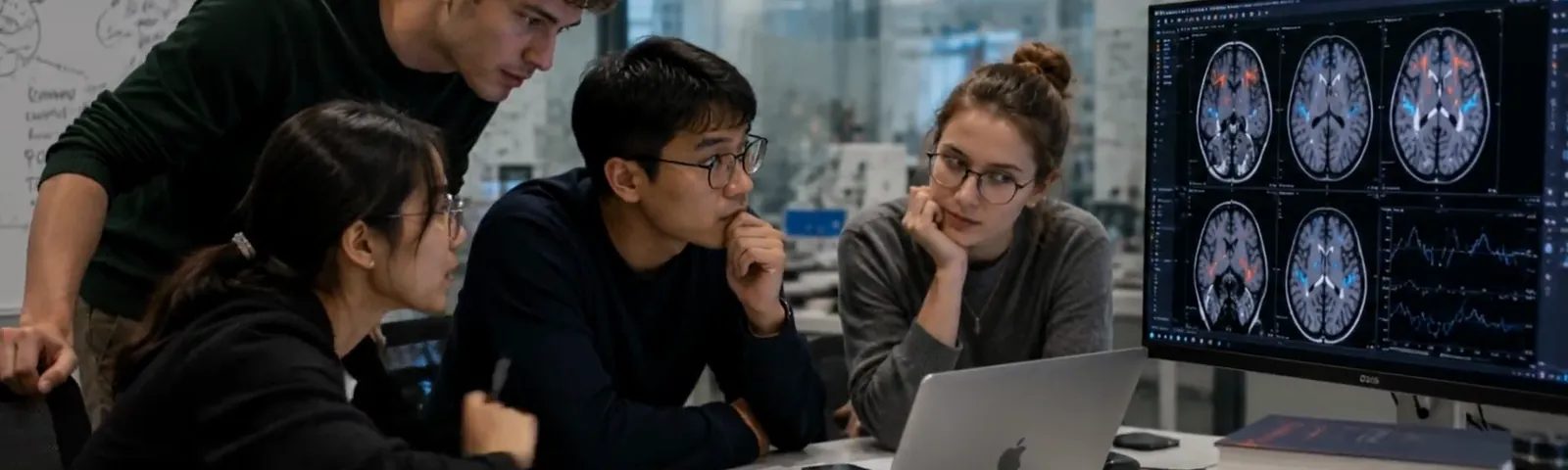
Research at CoHASS
CoHASS's four Research Centres bring together humanities, arts and social sciences scholars working on the questions shaping how people live, think, care, communicate and imagine the future, from Asia's first Max Planck centre in the humanities to a new MA in Digital Humanities launching in 2026.