Dr Amrita Sitaraman Iyer
Lecturer, School of Humanities
About Amrita Sitaraman Iyer
Research interests
Science Fiction, AI narratives, and Ecocriticism
Selected publications
Articles (Journal)
Uy, J & Iyer, A. S. (2024). “Hanahaki Disease.” Environmental Humanities, 16(3), 692-696. https://doi.org/10.1215/22011919-11327388
Iyer, A. S. (2019). “A Shot in the Dark: Delogocentrism in Harold Pinter’s The Dwarfs and Luigi Pirandello’s Six Characters in Search of an Author.” IAFOR Journal of Arts & Humanities 6 (2), 81–92. Web. doi: https://doi.org/10.22492/ijah.6.2.08
Book Chapters
Iyer, A. S. (2024). “Technology, Urban Sprawl, and the Apocalyptic Imagination in Hiroyuki Seshita’s Blame! (2017).” Eco-catastrophes in Japanese Cinema (Asia Shorts series), edited by Rachel DiNitto, Association of Asian Studies (distributed by Columbia University Press), pp. 222-235.
Conference Papers
Iyer, A. S. “When a noun becomes a verb: Ontological possibilities of Simondonian technicity in William Gibson’s cyberpunk novels.” American Comparative Literature Association Conference, 1 June 2025.
Iyer, A. S. ““You can’t be who you look like!”: Traded Bodies in Manjula Padmanabhan’s Harvest (1997)”. ‘When It Changed: Women in SF/F since 1972’ 50th anniversary Foundation Conference, Science Fiction Foundation, the University of Glasgow’s Centre for Fantasy and the Fantastic and the Games and Gaming Lab, 4 December 2022.
Iyer, A. S. “Exploring Technicity in William Gibson’s Idoru (1996)”. American Comparative Literature Association Conference, 17 June 2022.
Uy, J. & Iyer, A. S. “The Hanahaki Disease Trope: Analyzing Plant Horror in Fanfiction”. Popular Culture Association Annual Conference, 16 April 2022.
Iyer, A. S. “The Problematics of Care Labour in Kazuo Ishiguro’s Klara and the Sun (2021)”. Northeast Modern Language Association Conference, University of Buffalo, 11 March 2022.
Iyer, A. S. “Convergence of Environmental concerns and Artificial Intelligence in Kazuo Ishiguro’s Klara and the Sun (2021)”. NIE Graduate Student Conference, Singapore, 30 October 2021. National Institute of Education, Singapore.
Amrita Sitaraman Iyer
- Linguistics and Multilingual Studies
- Literature
Research at CoHASS
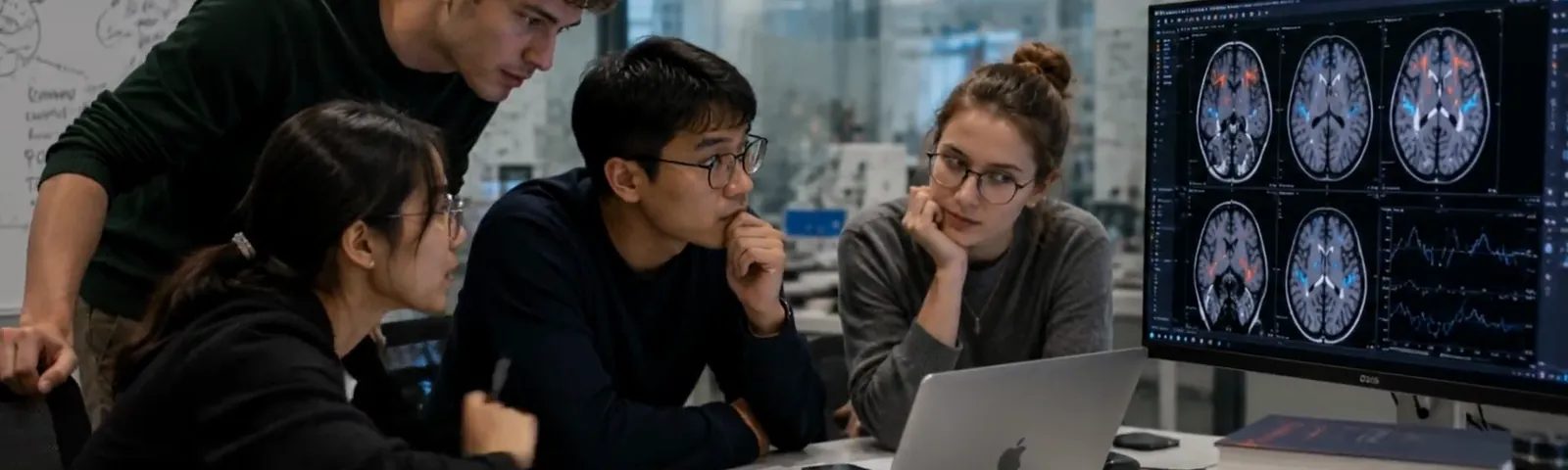
CoHASS's four Research Centres bring together humanities, arts and social sciences scholars working on the questions shaping how people live, think, care, communicate and imagine the future, from Asia's first Max Planck centre in the humanities to a new MA in Digital Humanities launching in 2026.