Space-Based Data Centre Research – NTU–BC Space Collaboration
In 2025, researchers from Singapore’s Nanyang Technological University published a feasibility study in Nature Electronics exploring whether data centres could operate in orbit, powered by solar energy and cooled by the vacuum of space.
A new research collaboration led by NTU’s College of Computing and Data Science (CCDS) now advances that work from modelling to system-level control design. Working with BC Space, a Singapore-based company in orbital compute technology and neutral orbit AI infrastructure, the research focuses on developing the algorithms required to manage computation, energy and thermal systems on computational satellites.
From Feasibility to Deployment: Advancing Orbital Data Centre Research
In 2025, researchers at Nanyang Technological University (NTU) proposed a bold concept: that data centres could one day operate in orbit, powered by solar energy and cooled by the vacuum of space. The study, published in Nature Electronics, examined the feasibility and projected sustainability benefits of space-based data centres.
A new research collaboration between NTU’s College of Computing and Data Science (CCDS) and BC Space now advances that vision from conceptual modelling to detailed system-level design. Rather than asking whether orbital data centres are viable in principle, the current collaboration focuses on the control intelligence required to manage computational satellites in practice.
From Desktop Study to System-Level Control
NTU’s earlier work examined the technical feasibility and projected benefits of orbital data centres through modelling and analysis.
The present collaboration shifts attention to the detailed engineering and algorithmic challenges of operating computational satellites, including:
- Power control and energy optimisation
- Cooling and thermal management
- Scheduling algorithms across a constellation of computational satellites
BC Space will provide access to computational satellites launched in late 2025 and 2026, enabling the designed algorithms to be evaluated under operational conditions.
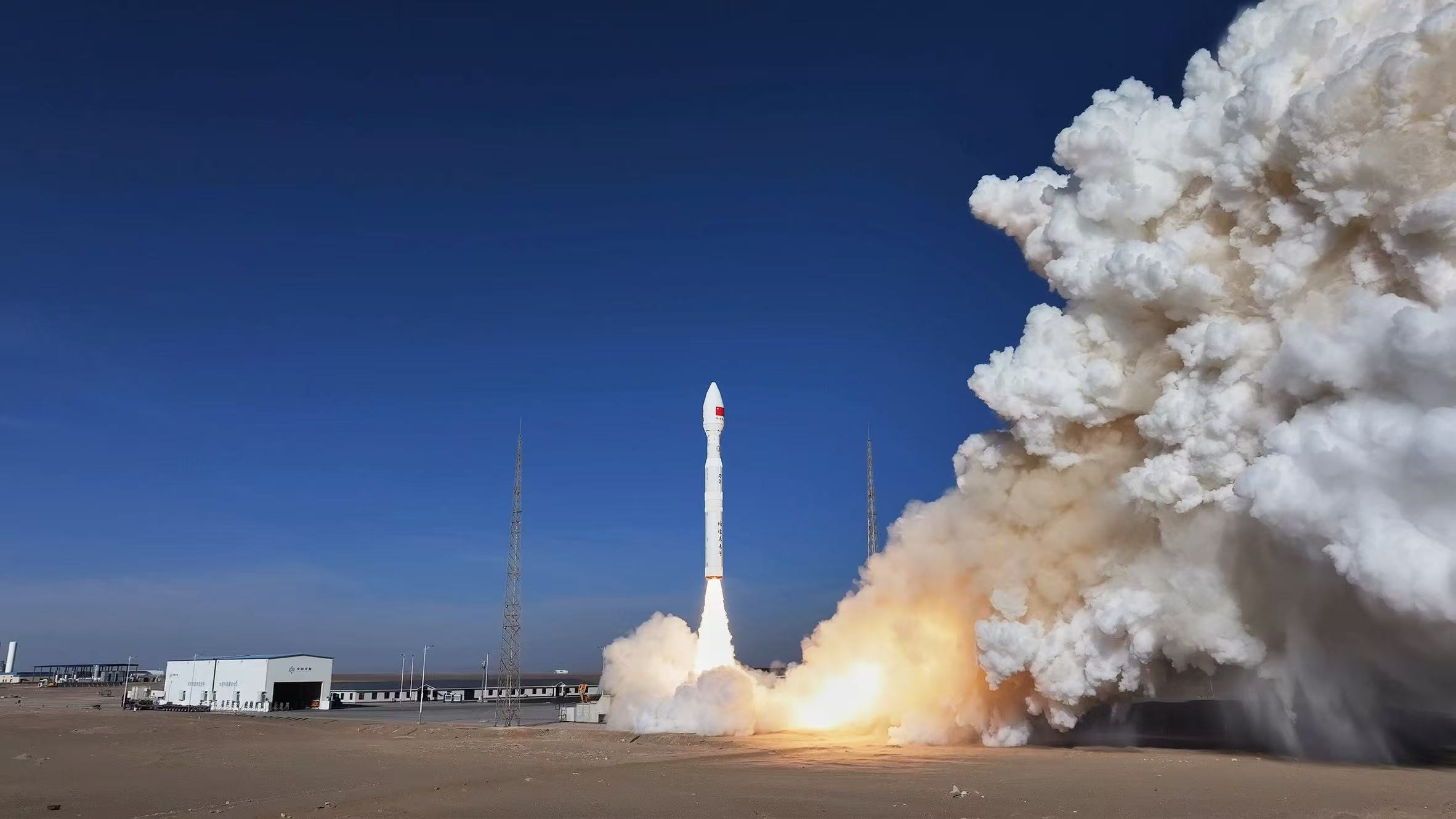
Launch of BC Space’s Orbit AI Genesis satellite, which this collaboration will access to conduct research.
Photo courtesy of BC Space
Contributing to Singapore’s Space R&D Ecosystem
The collaboration aligns with Singapore’s national initiatives to strengthen the local space R&D ecosystem. By addressing foundational algorithmic and systems-level challenges in orbital compute management, the research contributes to early-stage capability building within Singapore’s emerging space ecosystem.
Toward On-Orbit Deployment
The intended outcome of the collaboration is the deployment of the designed algorithms on BC Space’s computational satellites.
Successful validation would mark a transition from feasibility modelling to operational experimentation in orbit – a step toward understanding how distributed, energy-aware computing systems can function beyond terrestrial infrastructure.
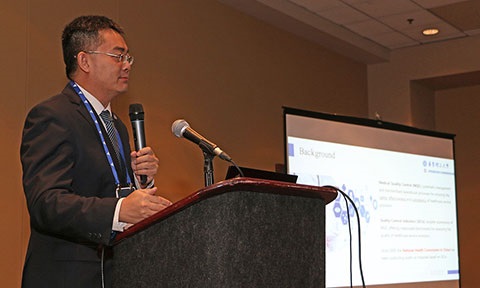
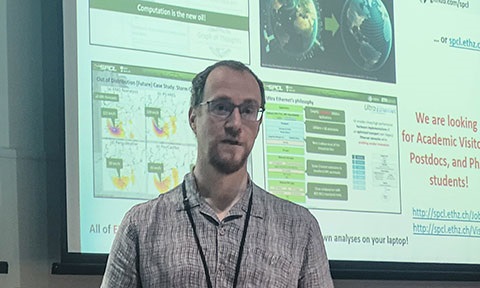
Prof. Tan Rui (NTU), Academic lead |
Prof. WEN Yonggang (NTU), Academic lead |
|
|



About BC Space
BC Space is a Singapore-based company developing orbital compute infrastructure. The company will provide access to computational satellites launched in 2025 and 2026 to support algorithm deployment and validation.