Super El Niño: Energy Stress, Extreme Heat, and Emerging Health Risks
Climate extremes could test Southeast Asia's resilience as a potential Super El Niño unfolds.
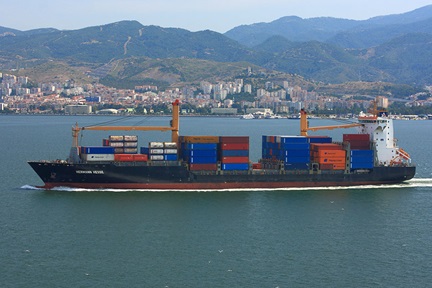
Asia may soon face the combined impacts of a potential Super El Niño and ongoing energy challenges, creating significant risks for both energy security and public health. Stronger-than-normal warming of the Pacific Ocean can trigger prolonged droughts, extreme heat, and reduced hydropower generation, placing additional pressure on electricity supplies across the region.
As temperatures rise, demand for cooling is expected to increase, further straining power systems. Experts from the National University of Singapore (NUS) warn that a Super El Niño could disrupt agriculture, fisheries, and water-intensive industries while intensifying regional energy pressures through reduced hydropower availability and higher electricity demand during heatwaves.
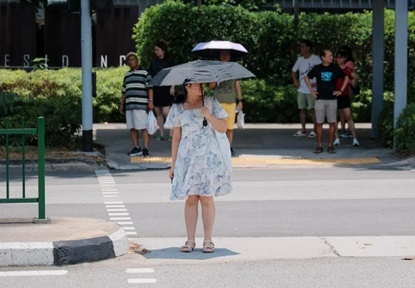
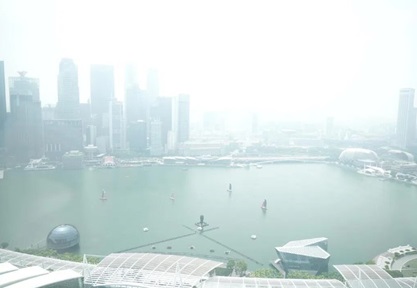
The impacts extend beyond infrastructure and economies. Extreme heat can increase the risk of heat-related illnesses, particularly among outdoor workers and vulnerable populations, while drier conditions may elevate the likelihood of transboundary haze episodes, poor air quality, and mosquito-borne diseases such as dengue. These interconnected challenges highlight the importance of understanding the links between climate extremes, energy resilience, and population health.
The potential emergence of a Super El Niño serves as a reminder that climate change is not only an environmental challenge but also a public health and societal resilience challenge. Strengthening preparedness, improving early warning systems, and protecting vulnerable communities will be essential to reducing future risks.
Source: Angelica Ang (2026, May28). https://fortune.com/2026/05/28/asia-super-el-nino-iran-energy-crisis