
Our Focus
 Clinical Collaborations
 Community Outreach
 Collection & Logistics
Brain Bank Singapore is a joint partnership between the following six institutions:
Nanyang Technological University, Lee Kong Chian School of Medicine (LKCMedicine)
National Neuroscience Institute (NNI)
National Healthcare Group (NHG)
National University of Singapore, Yong Loo Lin School of Medicine (NUS-YLL)
Duke-NUS Medical School (Duke-NUS)
Institute of Molecular and Cell Biology, Agency for Science, Technology and Research (IMCB, A*STAR)
Supporting Neuroscience Research in Asian Populations
Facilitating access to tissue for approved neuroscience research, via an independent Tissue Access Committee.
Leading public outreach to raise awareness of brain disorders, and encourage people to register as brain donors, to support research after death.
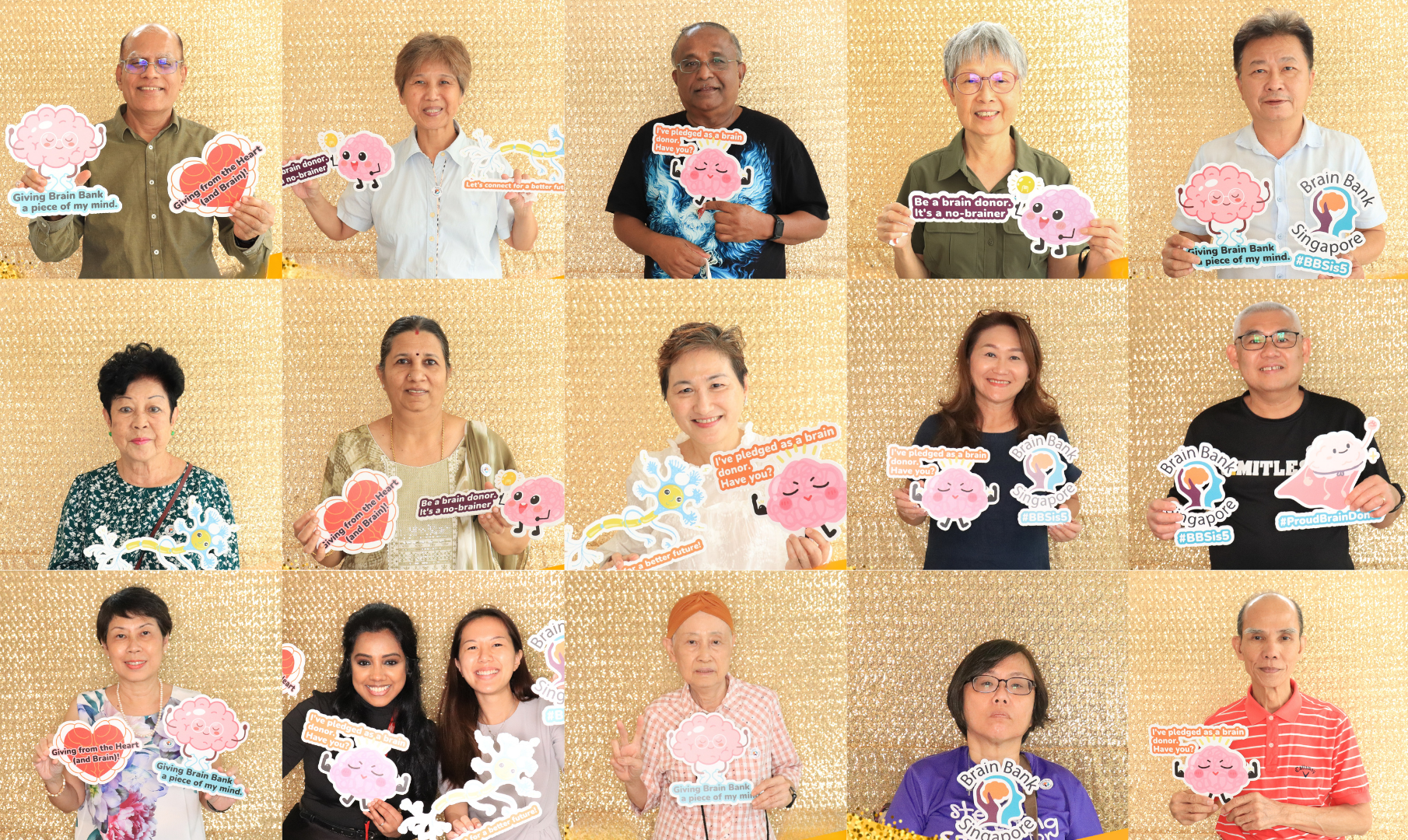 Donors are at the heart of Brain Bank Singapore – their generosity paves the way for discoveries that bring hope to future generations.
Our Impact
Enabling Discoveries Through Brain And Spinal Tissue Donations
We operate Singapore’s only national brain and spinal tissue donation programme, governed by Institutional Review Board-approved protocols.
We have over 500 donors registered, 11 brains and 7 spinal cords retrieved, and tissue prepared for research use.
We are also expanding our network of collaborations both locally and internationally.
.jpeg?sfvrsn=261d5e92_1) Donated brain tissue being embedded in paraffin wax in preparation for histological slide processing.
Donated brain tissue being embedded in paraffin wax in preparation for histological slide processing.Registering as a Brain Donor



If you are interested in signing up as a brain donor, please discuss your interest with your family members and/or legal representative. You may visit the website at www.brainbanksingapore.org or email brainbanksingapore@ntu.edu.sg to learn more about brain donation.
Research
Research Studies
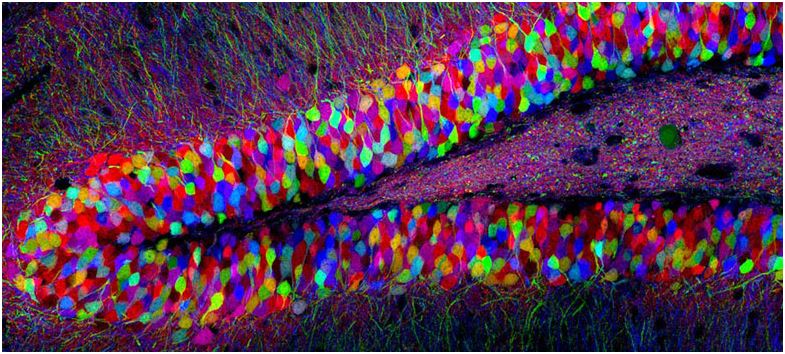
At Brain Bank Singapore, post-mortem brain and CSF are retrieved from donors around Singapore, both those with and without neurological conditions, and prepared and preserved in an optimal way for vital research. The Brain Bank is designed to be reactive to the needs of the research community by also carrying out laboratory research on optimising the methods for use of human brain tissues for latest molecular techniques in order to provide the necessary materials for post-genomic era research studies.
The tissues preserved in the snap-frozen form allow for extensive molecular investigation, including using “Omics” platforms:- Gene polymorphism sequencing
- Epigenetics
- Single-nuclear RNA sequencing
- microRNA (miRNA) sequencing
- Protein arrays
- Immunoassays
- Immunohistochemistry
- Metabolite analysis
- Biomarker imaging
- Drug library validation
Some tissue blocks are also preserved in the form of formalin-fixed and paraffin wax-embedded specimens which are useful for histological analysis of disease pathology. Other types of tissues, where available, can include spinal cord, peripheral nerves, muscle, gut, spleen and lymph nodes to study the interaction with the nervous system.
