Environmental engineering is increasingly shifting toward data-driven and autonomous systems. This seminar presents recent applications of machine learning and reinforcement learning to water treatment and sustainable energy systems, including autonomous control of membrane capacitive deionization, multi-agent optimization of reverse osmosis, and AI-based operation of off-grid green hydrogen production.
Emerging graph-based AI approaches for materials and molecular applications are also introduced. Together, these studies highlight the potential of AI to enable intelligent control, interpretable prediction, and optimized design in environmental engineering.
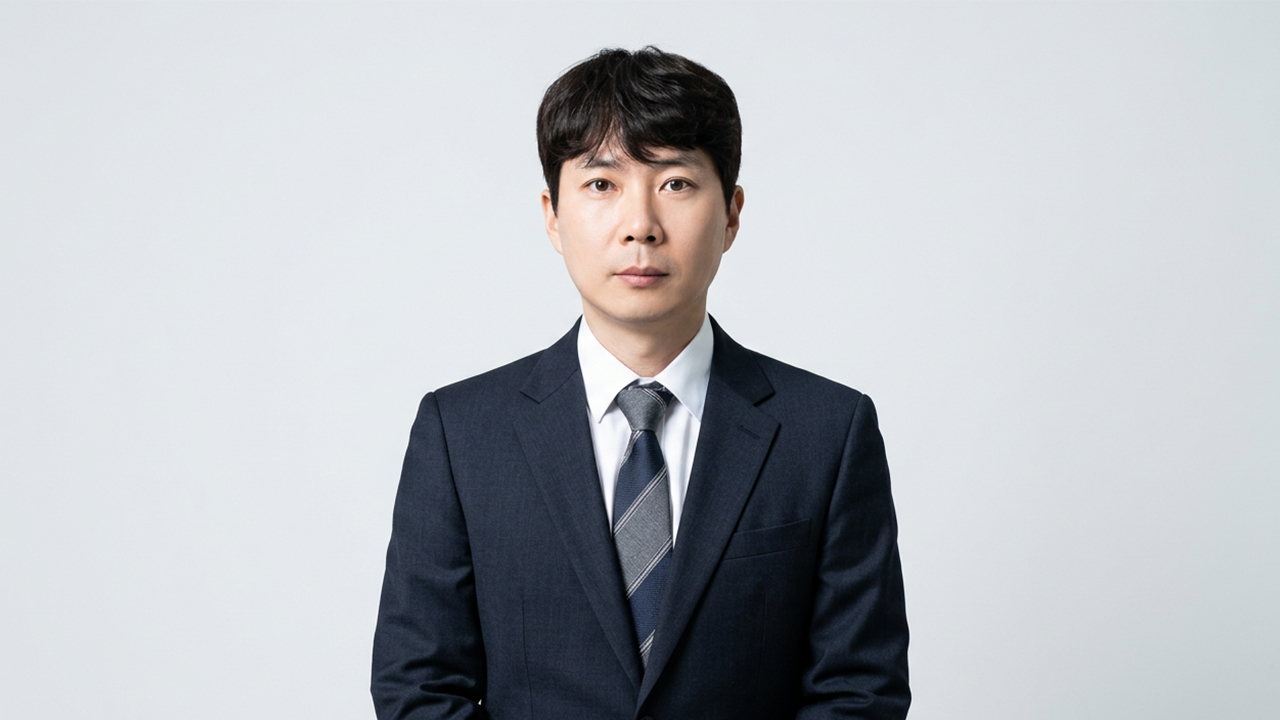
Prof. Kyung Hwa Cho is a Professor of Environmental Engineering at Korea University, Republic of Korea. He has authored or co-authored more than 250 peer-reviewed publications, including numerous papers in leading journals such as Water Research, Desalination, Journal of Hazardous Materials, and PNAS, with over 14,000 citations.
His research focuses on artificial intelligence and data-driven approaches for water quality monitoring, environmental modeling, and intelligent optimization and control of water treatment and sustainable energy systems. He has also been recognized among the World’s Top 2% Scientists by Stanford University and Elsevier.
NEWRI Meeting Room 1 (CleanTech One, #06-08, 1 Cleantech Loop, Singapore 637141)