Heat and Super Pollutants Escalate Health Risks in Southeast Asia
CCEH Director highlights the rising regional vulnerability at Bangkok conference
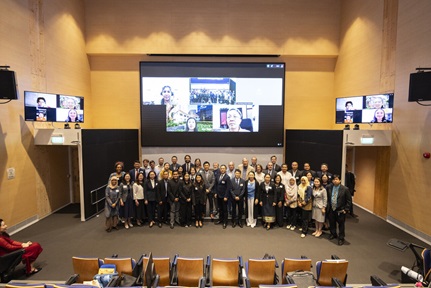
Speaking at the Better Air Quality (BAQ) Conference in Bangkok, Prof. Steve HL Yim, Director of the Centre for Climate Change and Environmental Health (CCEH) at Nanyang Technological University and a member of the WHO Global Air Pollution and Health Technical Advisory Group, highlighted how heat can amplify the harmful effects of air pollution by increasing the body’s susceptibility to respiratory toxicity.
He pointed to black carbon as a key concern, noting that even small increases in exposure are associated with significantly higher risks of lung cancer, while short-term exposure can worsen conditions such as asthma and COPD. Prof. Yim also emphasised the growing challenge of transboundary haze pollution in Southeast Asia. Emissions from biomass burning and fossil fuel use, combined with rising heat and humidity, are creating a “synergistic” effect that significantly worsens health outcomes in the region.
He noted that Southeast Asia faces a disproportionate burden due to high emissions, limited monitoring networks, slower adoption of clean technologies, and gaps in regulatory frameworks. Also, other Experts stress that reducing super pollutants offers a rapid opportunity to achieve both climate and health benefits. However, stronger regional cooperation and accelerated policy action are urgently needed to address the escalating risks.
Read Full Article at Governments Are Failing to Act on Deadly Combination of Super Pollutants and Heat, Health Policy Watch