Nanyang Technological University Singapore
About Us
Students
Programme
Undergraduate
Current Students
Prospective Students
Graduate
Current Students
Prospective Students
People
Faculty
Administrative Staff
Alumni
Research
Safety
Facilities and Services
Career
News
Events
Giving
Home / School of Chemistry, Chemical Engineering and Biotechnology (CCEB) / Events

Chemical Probes in Antifungal Research: Decoding Mechanisms, Resistance, and Drug Discovery Concepts

The growing prevalence of fungal infections and the rapid emergence of antifungal resistance highlight the need for a deeper understanding of how antifungal agents operate in living cells. To address this challenge, we developed a comprehensive collection of fluorescent chemical probes based on the three major classes of clinically used antifungal drugs: azoles, echinocandins, and polyenes.
11 Dec 2026
10.00 AM - 11.00 AM
  • Google
  • Outlook
  • Apple
  • iCal

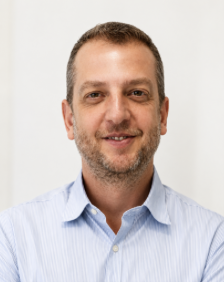
Speaker: Prof. Micha Fridman, School of Chemistry, Faculty of Exact Sciences, Tel Aviv University, Tel Aviv, Israel

Date:11 December 2026
Time: 10:00 AM to 11:00 AM
Venue: CCEB NL Conference Room (02-01L)
Host: Asst Prof. Qiao Yuan

Abstract

The growing prevalence of fungal infections and the rapid emergence of antifungal resistance highlight the need for a deeper understanding of how antifungal agents operate in living cells. To address this challenge, we developed a comprehensive collection of fluorescent chemical probes based on the three major classes of clinically used antifungal drugs: azoles, echinocandins, and polyenes. These probes enable direct visualization of drug uptake and localization in live fungal cells and provide a platform for investigating mechanisms of action and resistance.
Our studies demonstrate that cellular localization is a major determinant of antifungal activity. Azole-derived probes revealed that accumulation at the intracellular site of the drug target strongly influences potency and enabled rapid detection of resistance-associated drug efflux. Fluorescent echinocandin probes showed that accumulation at the fungal cell surface correlates with antifungal efficacy and can be used to predict resistance. Polyene probes uncovered marked species-dependent differences in subcellular distribution and revealed pronounced vacuolar accumulation in resistant strains, suggesting intracellular drug sequestration as a resistance mechanism.
We further used the insights provided by these chemical probes to guide the design of improved antifungal agents. Through a minimal, single-site modification of clinically used echinocandins, we restored potent activity against a broad panel of resistant Candida while maintaining low toxicity toward human cells. This approach provides new insight into drug-target interactions and offers a practical strategy for overcoming echinocandin resistance.
Together, our studies establish an integrated chemical biology framework that combines fluorescent probe design, live-cell imaging, and medicinal chemistry. This framework provides direct visual evidence of antifungal drug behavior, reveals cellular mechanisms of resistance, and guides the development of more effective antifungal therapies.

Biography

Professor Micha Fridman is a faculty member at the School of Chemistry at Tel Aviv University, where he also serves as Chair of the department. His research focuses on the development and understanding of antimicrobial agents, with particular emphasis on antibiotics and antifungal compounds. By combining approaches from organic chemistry, microbiology, and molecular biology, his work aims to overcome drug resistance and enhance therapeutic efficacy.

Professor Fridman earned his BA, MSc, and PhD in chemistry from the Technion Israel Institute of Technology. Following his doctoral studies, he conducted postdoctoral research at Harvard University, specializing in chemical biology and medicinal chemistry. Since joining Tel Aviv University in 2008, he has established an interdisciplinary lab that explores the chemical biology of microbial systems, antibiotic resistance mechanisms, and the design of novel bioactive molecules. He is a pioneer in the development of fluorescent antifungal agents used to study drug action and resistance in real time through live-cell fluorescence microscopy. This work has provided new insights into how antifungal drugs reach and interact with their intracellular targets, and how fungal cells evade their effects.

The Fridman research group employs a range of tools including synthetic chemistry, enzymology, confocal microscopy, and structural biology to investigate how antimicrobial agents interact with their cellular environments. Key research areas include membrane-active antibiotics, the molecular basis of aminoglycoside resistance, and strategies to disrupt biofilm formation.

Chemical Probes in Antifungal Research: Decoding Mechanisms, Resistance, and Drug Discovery Concepts

11 Dec 2026
10.00 AM - 11.00 AM
CCEB NL Conference Room (02-01L)
Current Students
Nanyang Technological University Singapore

Follow Us

About Us

Students

  • Programme
  • Undergraduate
    • Current Students
    • Prospective Students
  • Graduate
    • Current Students
    • Prospective Students

People

  • Faculty
  • Administrative Staff
  • Alumni

Research

  • Safety
  • Facilities and Services

Career

News

Events

Giving

© 2026 Nanyang Technological University